






What Exactly is Slow Tourism?
Slow tourism is a mindset that prioritises connection over checklists. Instead of rushing between famous landmarks, travellers choose to spend more time in one place, forming a deeper relationship with the local culture, food, and environment. It is the opposite
of mass tourism, which often involves covering as many places as possible in a short time. This approach encourages you to swap a packed itinerary for spontaneous discoveries, meaningful interactions with local people, and a more sustainable way of travel that benefits the community directly. In Goa, this translates to moving past the crowded beaches of the north and venturing into the serene, green heart of the state.
Discovering the Goan Hinterland
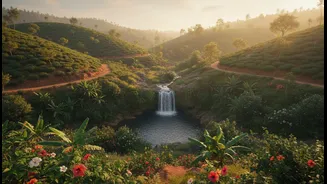
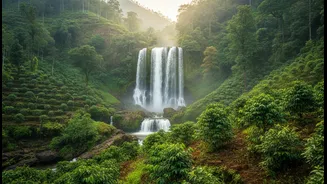
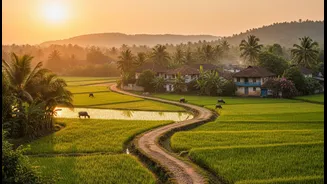
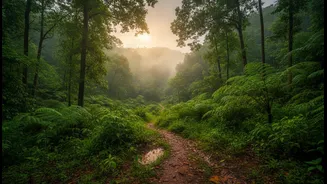
Just a short drive from the coast, Goa’s landscape transforms dramatically. The party music fades, replaced by birdsong, and the roads narrow into quiet lanes winding through sleepy villages and lush paddy fields. This is the Goan hinterland, a region rich in biodiversity and authentic culture. Areas within the Western Ghats, like the talukas of Ponda, Sattari, and Sanguem, offer a completely different vision of Goa. Here, life moves at a gentler pace, dictated by the seasons. The focus shifts from beach shacks to heritage homes, ancient temples, and the sprawling greenery of spice plantations. It’s a side of Goa that has always existed but is now being discovered by travellers seeking peace and authenticity.
Immersive and Authentic Experiences
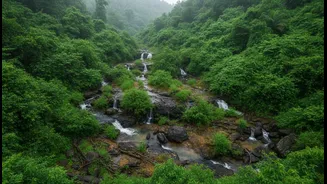
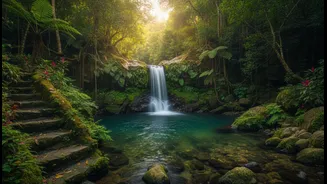
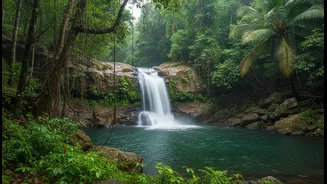
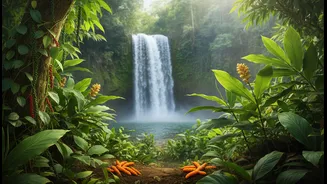
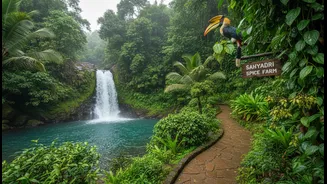
Slow travel in Goa is all about what you can do, see, and learn. Instead of simply observing, you participate. Many visitors choose to stay in restored Portuguese-era homes or eco-friendly homestays, where they can experience Goan hospitality firsthand. Days can be spent on guided walks through spice plantations in Ponda, learning how cloves, pepper, and cinnamon are grown before enjoying a traditional meal served on a banana leaf. You can explore the mangrove forests of Chorao Island by kayak, hike to hidden waterfalls like Tambdi Surla, or visit centuries-old temples tucked away in the forest. Other activities include learning to cook traditional Goan dishes, trying your hand at local bread-making, or even visiting a cashew farm to understand the process of making feni.
A More Sustainable and Conscious Choice
This shift towards the hinterlands is not just a trend; it's part of a larger movement towards regenerative and eco-tourism, which the Goan government is actively promoting. By spreading tourism beyond the overburdened coastal belt, slow travel helps reduce the environmental pressure on the state's beaches and marine ecosystems. It also brings economic benefits directly to rural communities, creating livelihood opportunities for local families, artisans, and guides. For the traveller, it offers a more enriching experience, a chance to disconnect from the frantic pace of modern life and reconnect with nature and culture in a meaningful way. It’s a win-win situation that helps preserve Goa's unique heritage for the future.