





Understanding the Eccentric Advantage
In any exercise, there are two main phases: the concentric phase (when the muscle shortens, like lifting a weight) and the eccentric phase (when the muscle lengthens under tension, like lowering it). A traditional squat focuses on the explosive power
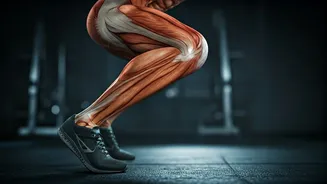
of standing up, but an eccentric squat flips the script. It deliberately emphasizes the lowering, or “negative,” portion of the movement. By slowing down the descent, you force your muscles to work harder for longer. This increased “time under tension” is a powerful stimulus for building muscle and, crucially, strengthening the tendons that support your joints.
Why It’s a Game-Changer for Joints
Fast, explosive movements can put significant stress on the knee and hip joints, often leading to pain or injury, especially if form isn't perfect. Slow, controlled eccentric movements, however, build strength and stability with far less impact. This method is particularly effective for rehabilitating and preventing tendinopathies (tendon-related pain and injuries) because it helps improve the tendon's resilience and capacity to handle load. By strengthening the muscles and connective tissues around the joint, you create a more stable and protected system, allowing you to build functional strength for everyday activities, like sitting and standing, with less risk.
How to Perform a Perfect Eccentric Squat
The beauty of the eccentric squat is its focus on control, not speed. Here’s how to do it correctly: 1. **Get into Position:** Stand with your feet shoulder-width apart, toes pointing slightly outward. Keep your chest up and engage your core to maintain a neutral spine. 2. **Begin the Slow Descent:** Inhale and start pushing your hips back as if you’re sitting in a chair. The key is to move slowly and deliberately. Count to four or five as you lower yourself. 3. **Maintain Form:** Keep your weight in your heels and mid-foot, and ensure your knees track in line with your toes. Avoid letting them cave inward, as this is a common cause of knee strain. 4. **Control the Bottom:** Go as low as you can while maintaining good form and without pain. Your thighs should ideally become parallel to the floor. 5. **Return to Start:** Exhale and push through your heels to return to the starting position at a normal, controlled pace (about one second). The focus is on the slow descent, not the ascent.
Common Mistakes and How to Avoid Them
To get the most benefit and stay safe, watch out for these common errors. First, don't rush the descent. The magic of this exercise is in the slow, controlled lowering phase; speeding through it defeats the purpose. Second, avoid using too much weight initially. Because of the increased time under tension, you may need to use less weight than you would for a standard squat, or even start with just your bodyweight. Finally, pay strict attention to form. Letting your chest fall forward or allowing your knees to collapse inward puts unnecessary stress on your joints and spine. If you're new to this, consider performing the exercise while holding onto a sturdy chair or countertop for support.
Adding Eccentric Squats to Your Routine
You don’t need to completely replace your existing leg workouts. Instead, think of eccentric squats as a valuable addition. You can incorporate them in a few ways. Try starting your workout with two to three sets of 8-12 bodyweight eccentric squats to activate the muscles and reinforce good form. Alternatively, you can dedicate one of your leg days to focus on eccentric movements for your main compound lifts. If you are recovering from an injury or find regular squats painful, substituting them with eccentric versions can be a great way to continue building strength while allowing your joints to heal. The key is to progress gradually and listen to your body.