


1. Peace Lily: The Elegant Air Purifier
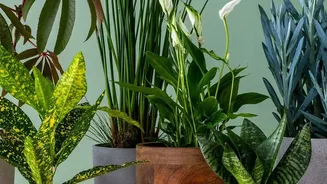
The Peace Lily is more than just a pretty flower; it's a hardworking air purifier. This plant thrives in humid conditions, making it perfectly suited for the monsoon season. It absorbs moisture from the air through its large, glossy leaves and is known
for its ability to filter common household toxins. Studies from NASA have even identified it as a top air-purifying houseplant. Peace Lilies prefer low or indirect light and consistently moist soil, so placing one in a bathroom or a shaded corner can help balance humidity and keep the air fresh.
2. Snake Plant: A Hardy Dehumidifier
Often called Mother-in-Law’s Tongue, the Snake Plant is famously low-maintenance and incredibly resilient. It’s an excellent choice for beginners and busy homeowners. Snake Plants are brilliant at regulating indoor humidity, absorbing excess moisture and slowly releasing it as needed. This passive dehumidifying effect can help reduce the conditions where mould and mildew thrive. They are also adept at filtering indoor air and can survive in a wide range of light conditions, making them a versatile addition to any room.
3. Boston Fern: The Lush Moisture Lover
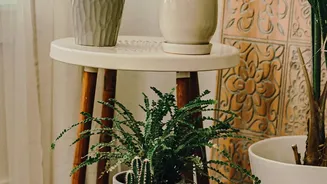
With its dense, feathery fronds, the Boston Fern is a classic choice for adding a touch of lush greenery. These plants are natural-born dehumidifiers, as they are native to tropical climates and love moisture. A Boston Fern absorbs ambient moisture directly through its leaves, helping to balance the humidity in a room. They do best in indirect light and consistently damp soil. Placing one in a hanging basket in a living room or kitchen can create a beautiful focal point while quietly combating the dampness.
4. Spider Plant: The Easy-Going Air Cleaner
The Spider Plant is one of the most adaptable and easy-to-grow houseplants. Renowned for its air-purifying capabilities, it effectively removes pollutants from the air. It also thrives in humid environments, absorbing moisture and helping to combat the stuffiness that comes with the rainy season. Its arching leaves and the “spiderettes” that dangle from the mother plant make it visually interesting. Spider Plants are not fussy about light and can help improve air circulation and quality, making them ideal for bedrooms and living areas.
5. English Ivy: A Climbing Mould Reducer
English Ivy is a beautiful, trailing vine that does well both indoors and out. It is particularly effective at improving air quality. Research has shown that English Ivy can significantly reduce the amount of airborne mould spores, a common problem in damp homes during the monsoon. While it won't remove existing mould from surfaces, it helps purify the air you breathe. It thrives in bright, indirect light and humid conditions, making it a great choice for hanging in bathrooms or training up a small trellis in a damp corner.
Clay Absorbers: A Natural Drying Agent
Beyond plants, another simple and eco-friendly tool is the clay absorber. Made from natural minerals like montmorillonite clay, these absorbers work by trapping moisture from the air within their porous structure. You can find them as small packets, balls, or decorative terracotta pieces. They are perfect for small, enclosed spaces that are prone to dampness, such as wardrobes, shoe racks, and kitchen cabinets. Unlike electric dehumidifiers, they are silent and require no power. Simply place them in cupboards or damp corners to help prevent musty smells and protect your belongings from moisture damage. For best results, ensure the space is as sealed as possible.