

An Annual Cycle of Smoke
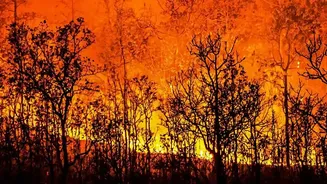
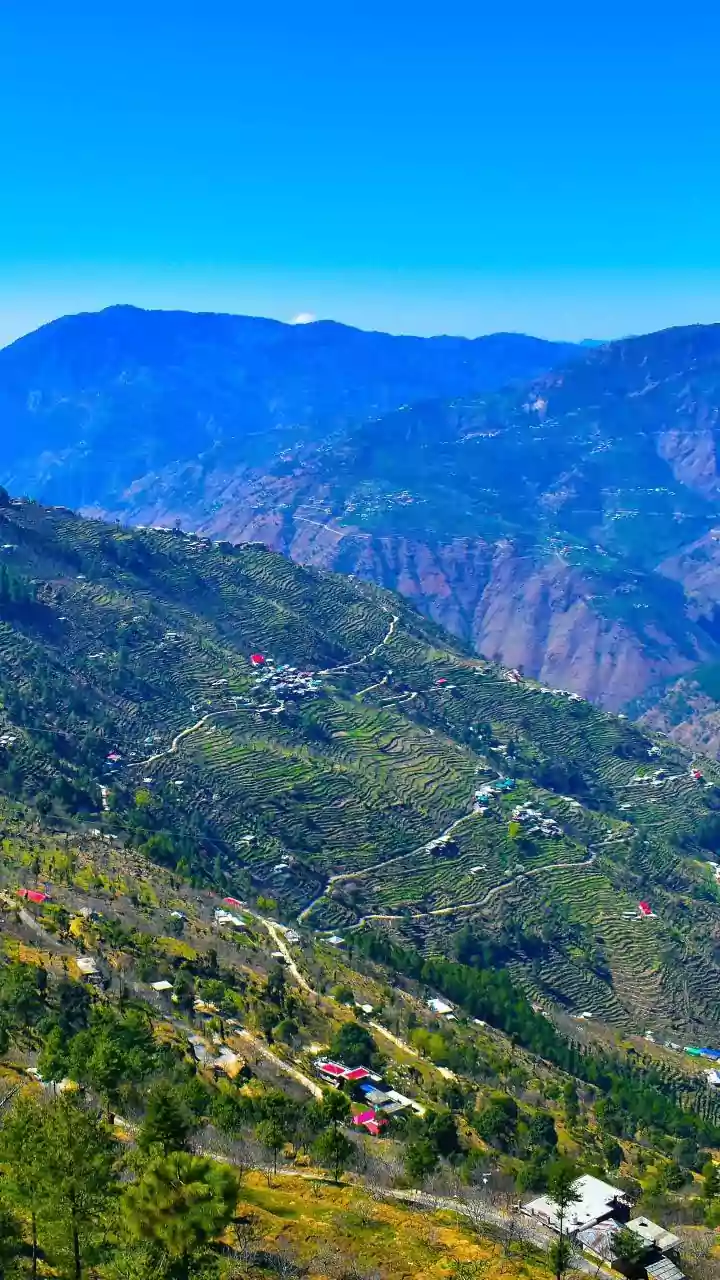
Each year, between October and November, vast stretches of agricultural land in Punjab and Haryana are set ablaze. This practice, known as stubble or crop residue burning, involves farmers setting fire to the leftover paddy stalks after the rice harvest.
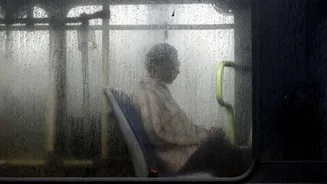
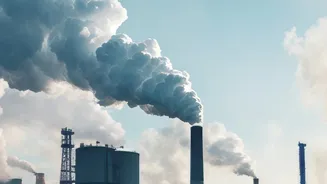
The smoke, thick with pollutants like fine particulate matter (PM2.5), is then carried by prevailing winds across the Indo-Gangetic Plain, severely degrading air quality in the National Capital Region and beyond. On peak days, this smoke can account for over a third of Delhi's hazardous PM2.5 levels, turning the air into a toxic cocktail that leads to school closures and a surge in respiratory illnesses.
The Farmer's Economic Bind
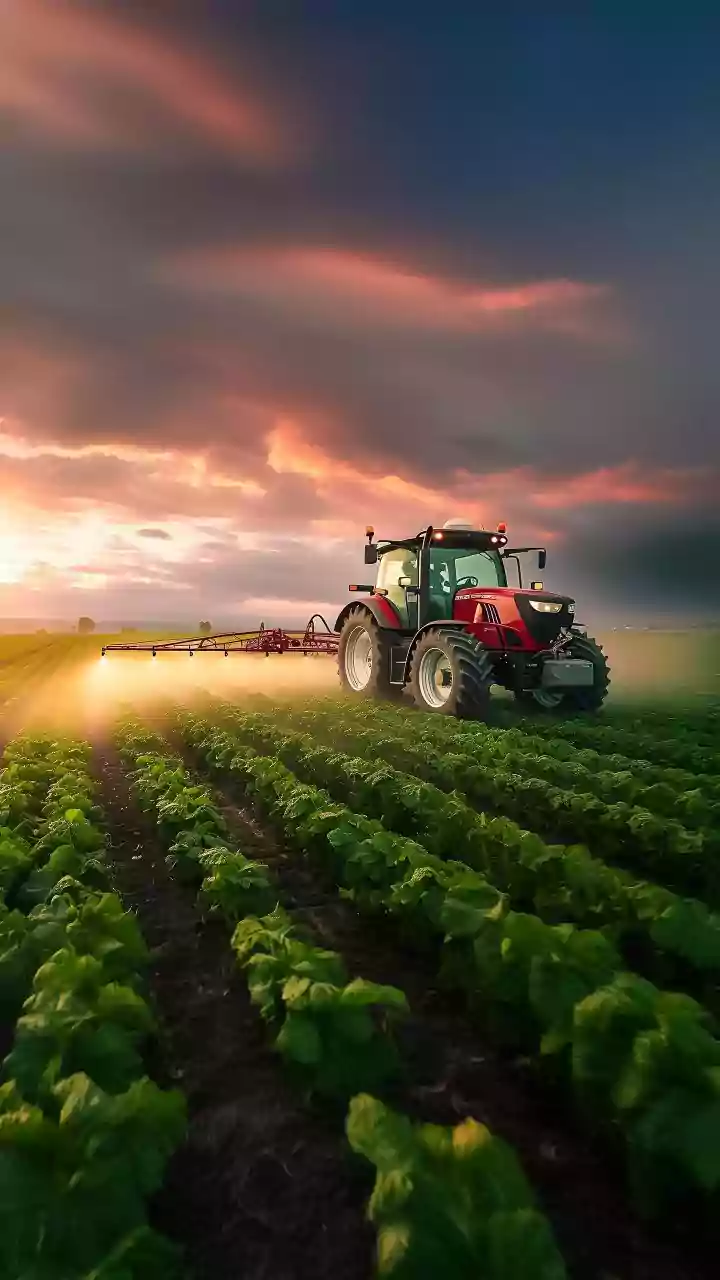
For the farmers, burning the residue is not a choice made lightly but one driven by harsh economic and agronomic realities. The primary issue is time. A 2009 water conservation law in Punjab and Haryana pushed back the timeline for paddy sowing, which in turn delayed the harvest. This leaves farmers with an extremely narrow window—often just 10 to 20 days—to clear the fields and sow the next crop, wheat. Burning is the fastest and cheapest method to prepare the land. Mechanical alternatives, while effective, come with high upfront and operational costs. As one farmer explained, it is a matter of necessity, not a hobby, as they feel helpless without better options.
When Policies Fall Short
The government has attempted to tackle the issue through a mix of incentives and penalties. A central scheme provides subsidies of 50% for individual farmers and 80% for cooperatives to purchase crop residue management (CRM) machinery like the Happy Seeder. This machine allows for the sowing of wheat without needing to clear the stubble. However, the adoption rate has been slow. Farmers cite the high cost even after subsidies, maintenance issues, and the need for more powerful tractors. Fines for burning have also proven difficult to enforce, often meeting stiff resistance from powerful farmer unions, and the decriminalisation of the practice in 2021 further complicated enforcement efforts.
The Devastating Health and Environmental Toll
The consequences of this annual pollution event are severe. The high concentration of PM2.5 and black carbon from the smoke is linked to a host of health problems, including respiratory and cardiovascular diseases, with long-term exposure significantly reducing life expectancy. Studies have linked the pollution to thousands of premature deaths in the Delhi NCR region annually. Beyond human health, the practice is also detrimental to the soil. Burning destroys essential nutrients and organic matter, degrading soil health over time and requiring farmers to use more fertilisers for the subsequent crop. This creates a vicious cycle of environmental damage and increased input costs.
The Search for Viable Alternatives
The solution lies in making alternatives to burning more economically attractive and accessible. Beyond machinery, other promising options are being explored. Ex-situ management involves collecting the stubble and using it for other purposes, such as generating energy in biomass power plants or brick kilns. The Commission for Air Quality Management (CAQM) has mandated that industries in the region co-fire with biomass pellets made from paddy straw. Another in-situ solution is the use of bio-decomposer sprays, developed by institutions like the Indian Agricultural Research Institute, which accelerate the decomposition of stubble into manure in just a few weeks. However, scaling these solutions requires robust supply chains, effective implementation, and sustained financial support for farmers to ensure these alternatives are more profitable than burning.