





Why Cats Crave Height
To understand the genius of the window hammock, we first need to think like a cat. In the wild, their ancestors were both predators and prey. High vantage points offered a strategic advantage—a safe place to survey their territory for potential meals
and watch for approaching threats. This instinct is deeply embedded in our domestic cats today. Your fluffy companion isn't just being nosy when they climb the bookshelf or leap onto the kitchen counter; they are satisfying a primal need for security, control, and observation. In a small, ground-level apartment, the lack of varied heights can lead to stress, boredom, and anxiety for a cat that feels exposed or under-stimulated.
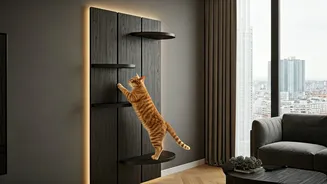
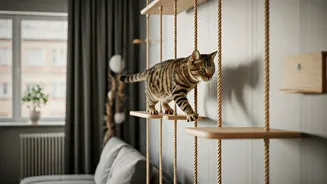
The Vertical Solution for Small Homes
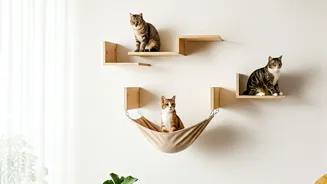
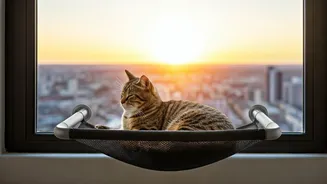
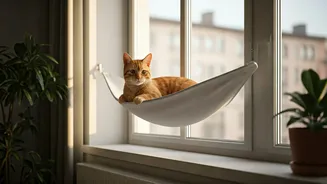
For city dwellers in Mumbai, Bengaluru, or Delhi, floor space is a precious commodity. Adding bulky cat trees or multi-level scratching posts can make a tight living room feel even more cluttered. This is where feline window hammocks present a game-changing alternative. These clever perches attach directly to your window glass, typically with industrial-strength suction cups. They don't take up a single square centimetre of floor space. Instead, they transform a previously unused vertical surface—the window—into a premium feline lounge. This provides your cat with the elevated perch they instinctively desire, without compromising your living area.
What to Look for in a Window Hammock
Not all window perches are created equal. When choosing one for your pet, focus on three key areas. First, the support system. Look for models with large, heavy-duty suction cups. Some designs use two cups, but models with four offer greater stability and peace of mind. Check the manufacturer's specified weight limit and ensure it can comfortably support your cat, even if they're on the heavier side. Second, consider the fabric. The hammock material should be durable and comfortable. Breathable fabrics are great for India's warmer climates, and a removable, machine-washable cover is a non-negotiable for easy cleaning. Finally, assess the frame. A sturdy frame, whether made of PVC pipes or metal, ensures the hammock holds its shape and provides a secure platform for napping and bird-watching.
Installation for Maximum Safety
A hammock is only as good as its installation. To ensure a secure hold, start by thoroughly cleaning the window glass with a cleaner that doesn't leave a residue. Wiping the area with rubbing alcohol can provide an even better grip. For the suction cups themselves, soaking them in warm water for a few minutes can make them more pliable and help create a stronger seal. Press each cup firmly against the clean, dry glass, pushing out any air bubbles from the centre outwards. Once installed, give the hammock a firm tug to test its stability before allowing your cat to explore it. It's a good habit to check the suction cups every few weeks, especially during seasons with major temperature fluctuations, and re-apply them if they feel loose.
Encouraging Your Cat to Use It
Cats can be wary of new things. Don't be discouraged if your pet doesn't immediately jump into their new perch. Introduce it slowly. You can start by placing a few of their favourite treats or a sprinkle of catnip on the hammock. Placing a familiar blanket or a t-shirt with your scent on it can also make the new spot feel more inviting and secure. Position the hammock on a window that gets good morning or afternoon sun, or one that overlooks an interesting scene like a tree with birds. With a little patience and positive reinforcement, the window hammock will likely become their most prized possession—a sun-drenched throne for the king or queen of your compact castle.