






The Science of the Slump
That sleepy, lethargic feeling that hits after a meal is often the result of a blood sugar rollercoaster. When you eat carbohydrates, especially refined ones like white rice, bread, or pasta, your body quickly breaks them down into glucose (sugar). This
causes a rapid spike in your blood sugar levels. In response, your pancreas releases a surge of insulin to help move that glucose from your blood into your cells for energy. The bigger the spike, the bigger the insulin surge. This can lead to a subsequent 'crash' as your blood sugar drops, leaving you feeling tired, foggy, and often craving more sugar to pick yourself back up. This cycle of spikes and crashes can disrupt your energy levels and, over time, affect your overall metabolic health.
Fibre's Role as a Gatekeeper
Dietary fibre is a type of carbohydrate that your body can't easily digest. It passes through your system relatively intact. There are two main types, soluble and insoluble, and both are beneficial. Soluble fibre, found in foods like oats, beans, apples, and carrots, dissolves in water to form a gel-like substance in your stomach. Think of it as creating a viscous, slow-moving mesh in your digestive tract. This simple physical property is the secret to its power. Because it slows everything down, it changes how your body absorbs other nutrients eaten in the same meal.
The 'Fibre First' Strategy
The principle of 'meal sequencing' suggests eating your food in a specific order for maximum metabolic benefit: fibre first, followed by protein and fats, and finally carbohydrates. When you start your meal with fibre-rich vegetables—like a simple salad or a bowl of vegetable soup—you are laying down that gel-like foundation in your gut before the other foods arrive. When you then eat your carbohydrates, that fibrous mesh slows down their breakdown and the rate at which glucose is absorbed into your bloodstream. Instead of a sharp, sudden spike, you get a much gentler, more gradual rise in blood sugar. Studies have shown this simple change in eating order can reduce post-meal glucose spikes significantly, even when the meal's components remain exactly the same.
The Benefits of a Flatter Glucose Curve
By flattening that glucose curve, you avoid the dramatic energy crash that follows a spike. This leads to more stable, sustained energy throughout the afternoon, helping you stay alert and focused. This is what 'reducing energy slumps' is all about. Furthermore, 'improving metabolic balance' refers to this gentler demand on your system. With a slower release of glucose, your pancreas doesn't have to work overtime pumping out large amounts of insulin. Over the long term, this improved insulin sensitivity is a cornerstone of good metabolic health and can help manage weight and reduce the risk of chronic conditions. Feeling fuller for longer is another welcome side effect, as fibre and protein promote satiety, which can help prevent overeating.
Making It Work in an Indian Diet
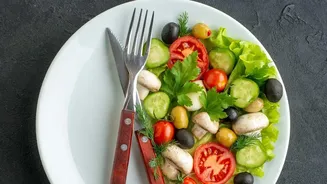
This strategy is incredibly easy to adopt within a traditional Indian diet. You don't need to change what you're eating, just the order. Start your lunch or dinner with a simple kachumber salad (cucumber, tomato, onion). Have a bowl of clear vegetable or lentil soup before your main plate. You could also make it a habit to eat the sabzi (vegetable dish) on your thali first, before moving on to the dal, roti, or rice. Even having a handful of nuts like almonds before a meal can help. The key is to get that fibre-rich starter in before the starches. Swapping refined grains for whole grains like bajra, jowar, or brown rice will also boost your overall fibre intake and support these benefits.