
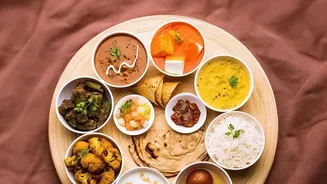
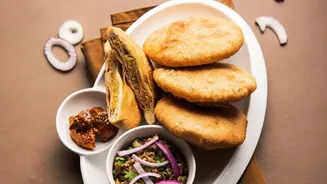
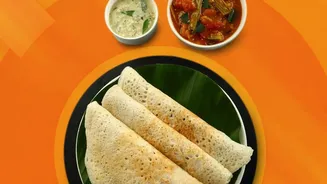
Amidst the rise of processed foods and hectic urban lifestyles, a significant wellness trend is taking root among young Indians. They're looking past fleeting fads and rediscovering the age-old wisdom of their grandparents' kitchens.
A Gut Feeling About Modern Life
The modern Indian
diet has seen a dramatic shift. Hectic schedules, rising stress levels, and the widespread availability of processed and fast foods are taking a toll. This has led to a surge in digestive issues like bloating, constipation, and irritable bowel syndrome (IBS), with studies showing a high prevalence of gut discomfort among the urban population. Young professionals and millennials, in particular, are feeling the effects and are increasingly seeking out sustainable solutions beyond just medication. This growing awareness has put the spotlight on the gut microbiome—the trillions of tiny organisms living in our digestive tract that influence everything from digestion and immunity to mood.
The Science of Fermentation
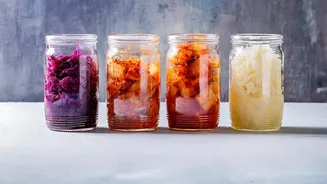
Fermentation is a natural process where microorganisms like bacteria and yeast break down sugars in food. This process not only preserves the food but also transforms it, creating beneficial compounds known as probiotics. Probiotics are live, 'good' bacteria that help balance the gut microbiome by crowding out harmful microbes. This balance is crucial for efficient digestion, better nutrient absorption, and a strong immune system. Fermentation also breaks down complex compounds in food, making them easier for the body to digest and unlocking nutrients like B vitamins that weren't there before.
Rediscovering India's Probiotic Pantry
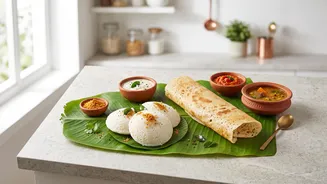
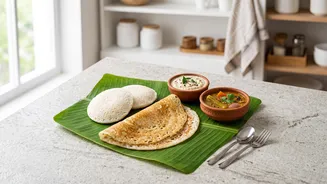
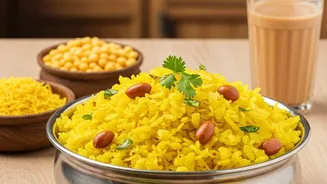
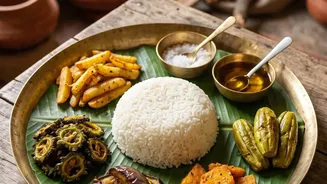
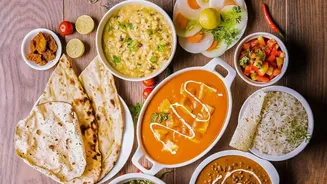
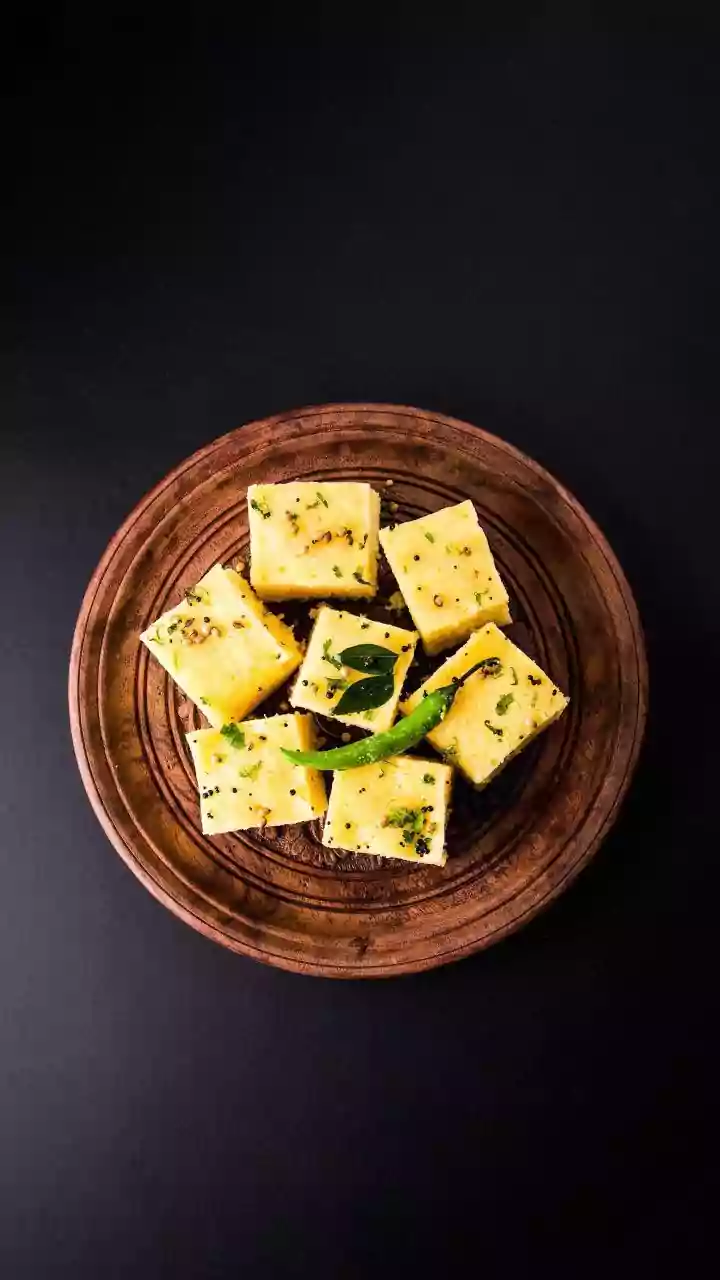
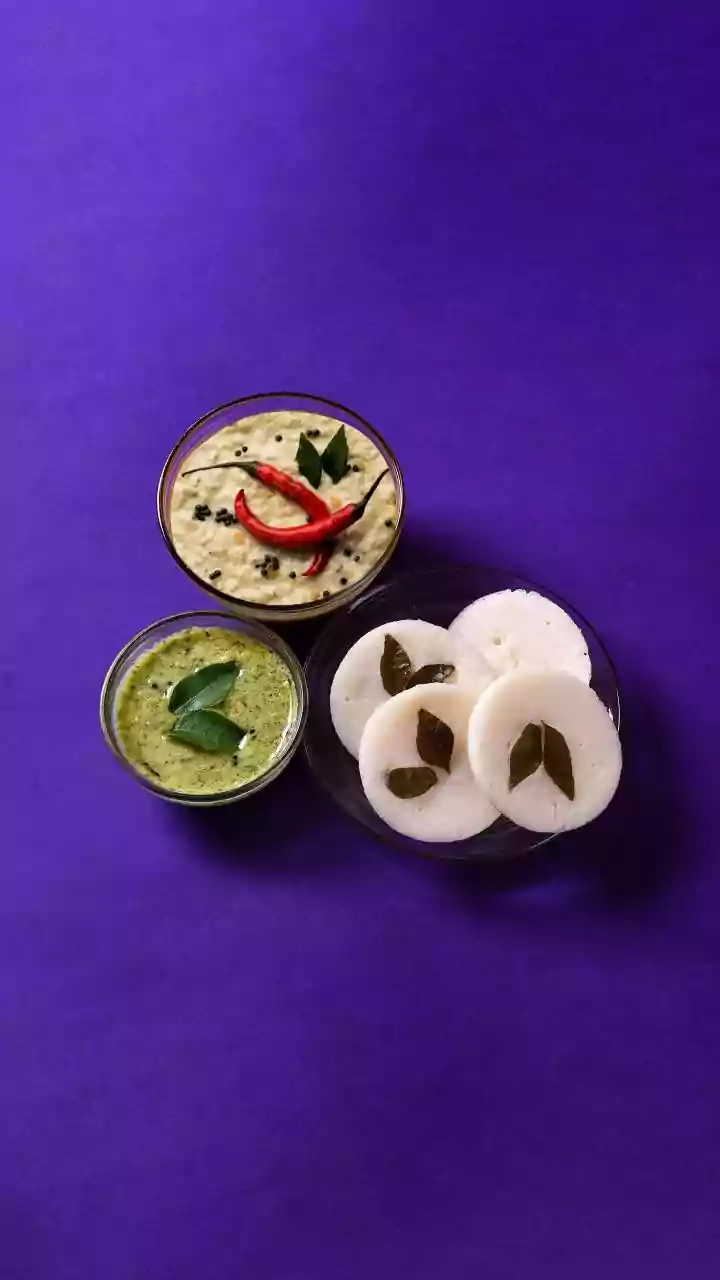
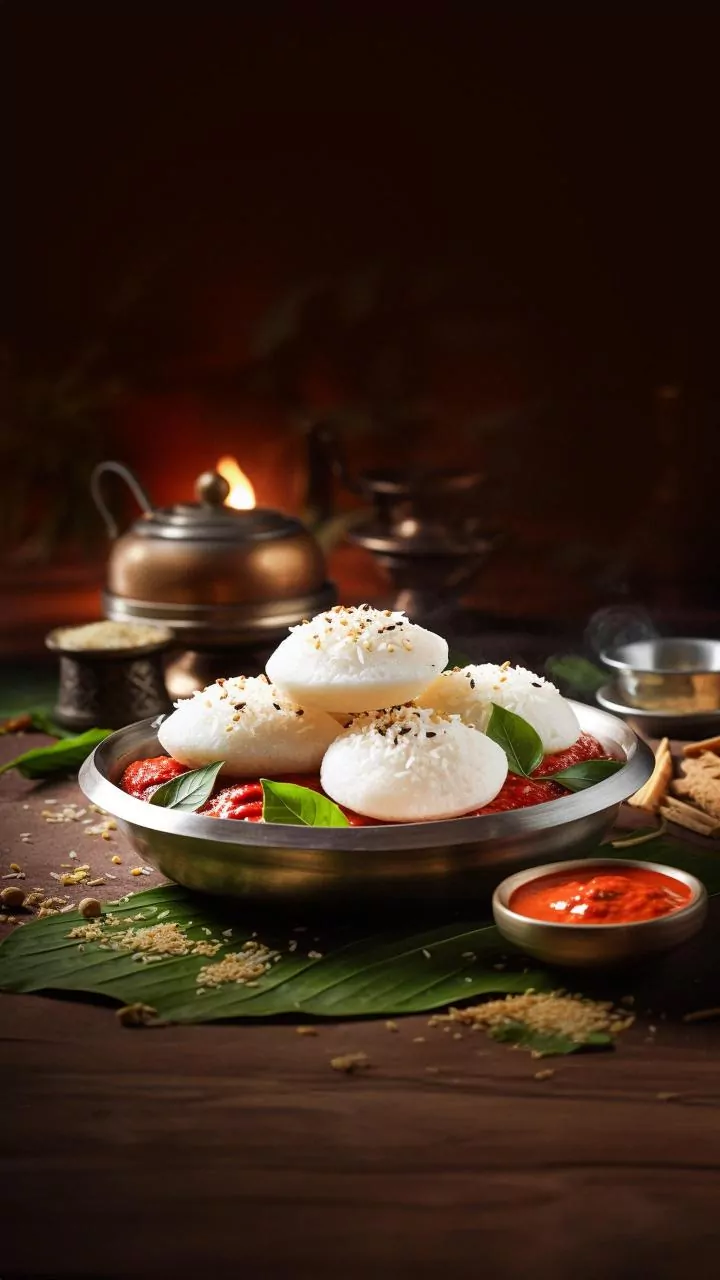
India has a rich and diverse heritage of fermented foods, many of which are now being celebrated for their probiotic power. While staples like homemade Dahi (curd) and Chaas (buttermilk) are well-known sources of beneficial bacteria, the list is long and varied. South Indian breakfast classics like Idli and Dosa are made from a naturally fermented batter of rice and lentils, making them light and easy on the stomach. In Gujarat, Dhokla is a spongy, steamed snack made from fermented gram flour. Up north, Kanji, a tangy drink made from fermented black carrots and mustard seeds, is a seasonal favourite for detoxification. In the East, Panta Bhat or Pakhala Bhaat—fermented cooked rice—is a traditional coolant rich in B vitamins. Even traditionally made Achaar (pickles) that are salt-brined rather than vinegar-based contain these gut-friendly microbes.
More Than Just a Health Trend
For many young Indians, this return to traditional foods is about more than just physical health. It represents a reconnection with their cultural roots and a rejection of a one-size-fits-all global wellness model. After decades where modern, processed options were often seen as superior, there is a renewed appreciation for the wisdom embedded in Indian culinary traditions. These foods are not only effective but also accessible and affordable, democratizing the idea of wellness. This shift is supported by a growing body of science that now validates the health benefits that were known to generations of Indians through empirical knowledge. The trend is visible everywhere from home kitchens, where people are trying their hand at making Kanji and fermenting batter from scratch, to trendy cafes incorporating these staples into modern menus.