


What is the Bento Box Trend?
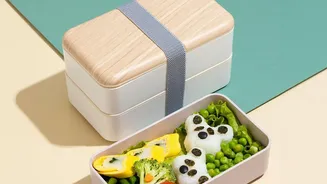
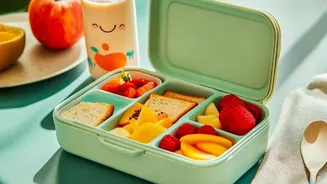
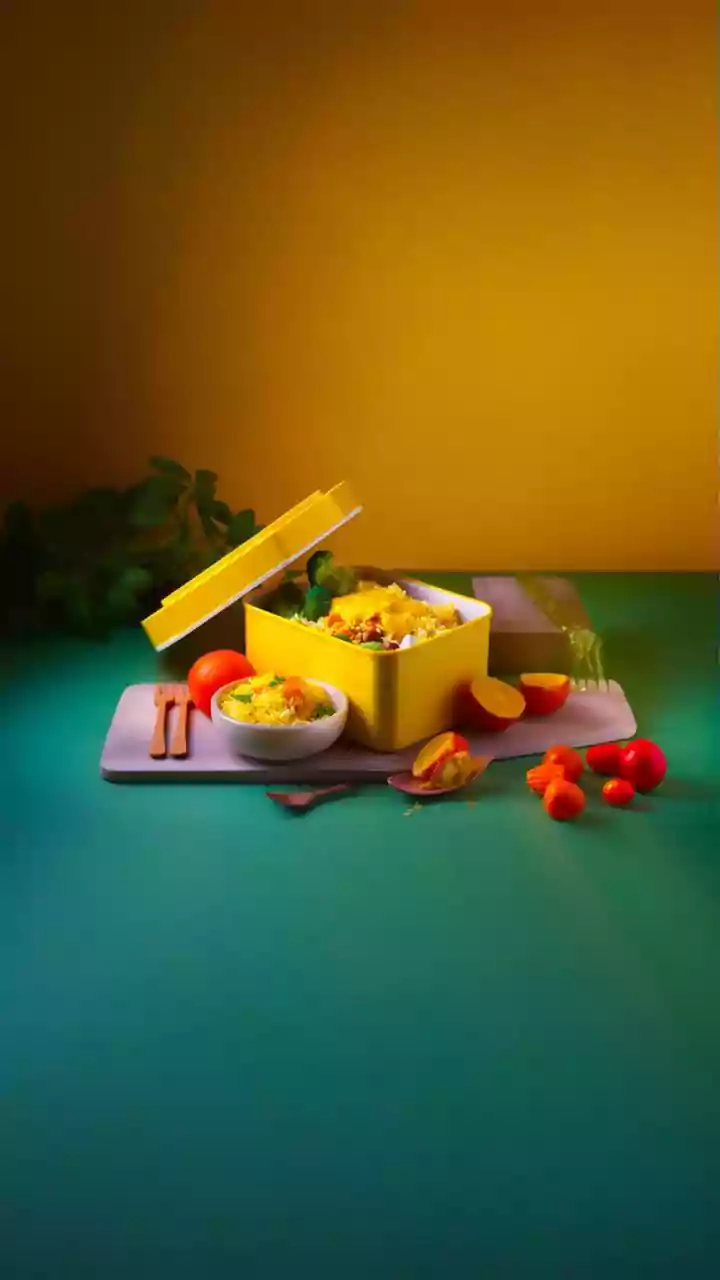
Originating in Japan, a bento box is a container with multiple compartments designed to hold a complete, single-portion meal. Traditionally, this includes a starch like rice, a protein, and an assortment of vegetables. The trend's global popularity is driven
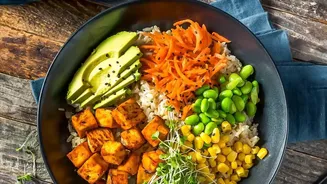
by several modern needs. Its built-in compartments make portion control effortless, helping to prevent overeating. This design also encourages meal variety, making lunch more exciting and nutritionally balanced. Furthermore, bento boxes are reusable, reducing the waste from single-use packaging, and their neat, visually appealing presentation has made them a social media favourite.
The Indian Tiffin Connection
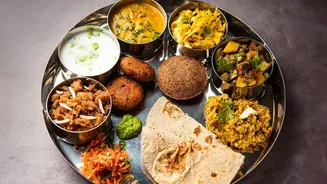
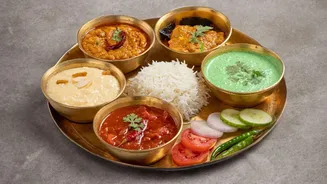
While the bento box may seem like a new trend, the concept of a packed, multi-part meal is deeply ingrained in Indian culture. The classic steel tiffin carrier, with its stacked compartments for roti, sabzi, dal, and rice, is essentially a vertical bento. This cultural familiarity gives Indian cuisine a natural advantage in adopting the bento format. The core principle of a balanced Indian thali—with its mix of carbohydrates, protein, vegetables, and a side of yogurt or pickle—translates seamlessly into the compartmentalized layout of a bento box. It’s not about adopting a foreign concept, but rather applying a modern, convenient format to a time-honoured way of eating.
Why Indian Vegetarian Food Is a Perfect Fit
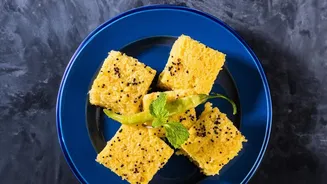
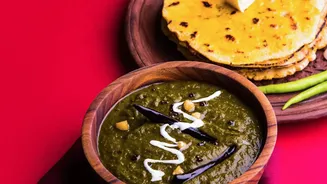
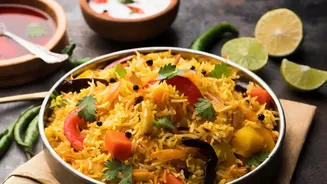
Indian vegetarian cooking offers an incredible spectrum of colours, textures, and flavours that make for a vibrant and satisfying bento. The cuisine is rich in plant-based proteins like lentils (dal), chickpeas (chana), kidney beans (rajma), and paneer, which can easily fill the protein compartment. There is an endless variety of dry and semi-dry vegetable preparations (sabzis) that fit neatly into another section without creating a mess. Carbohydrates can range from different types of flatbreads like rotis and parathas to a wide array of rice dishes like pulao, lemon rice, or tamarind rice. This inherent diversity ensures you never have to eat a boring lunch.
Building Your First Indian Veg Bento
Assembling an Indian vegetarian bento is simple. Think of it as a mini-thali. Dedicate each compartment to a specific food group for a balanced meal. Carbohydrates: Fill the largest compartment with a base like jeera rice, vegetable pulao, or quinoa upma. Alternatively, pack a couple of folded rotis or mini parathas. Protein: In another section, add a protein-rich dish. Thick dals like dal tadka, paneer bhurji, or a hearty chickpea curry work wonderfully. Vegetables: Use a third compartment for a dry vegetable dish (sabzi) like bhindi fry, aloo gobi, or a mixed vegetable stir-fry. Sides & Snacks: The smallest compartments are perfect for accompaniments. Pack a small portion of cooling yogurt (raita), a fresh kachumber salad, some sliced cucumber, or a few nuts for added crunch.
Sample Bento Box Ideas
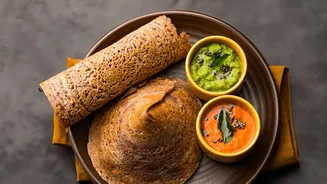
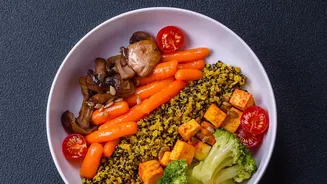
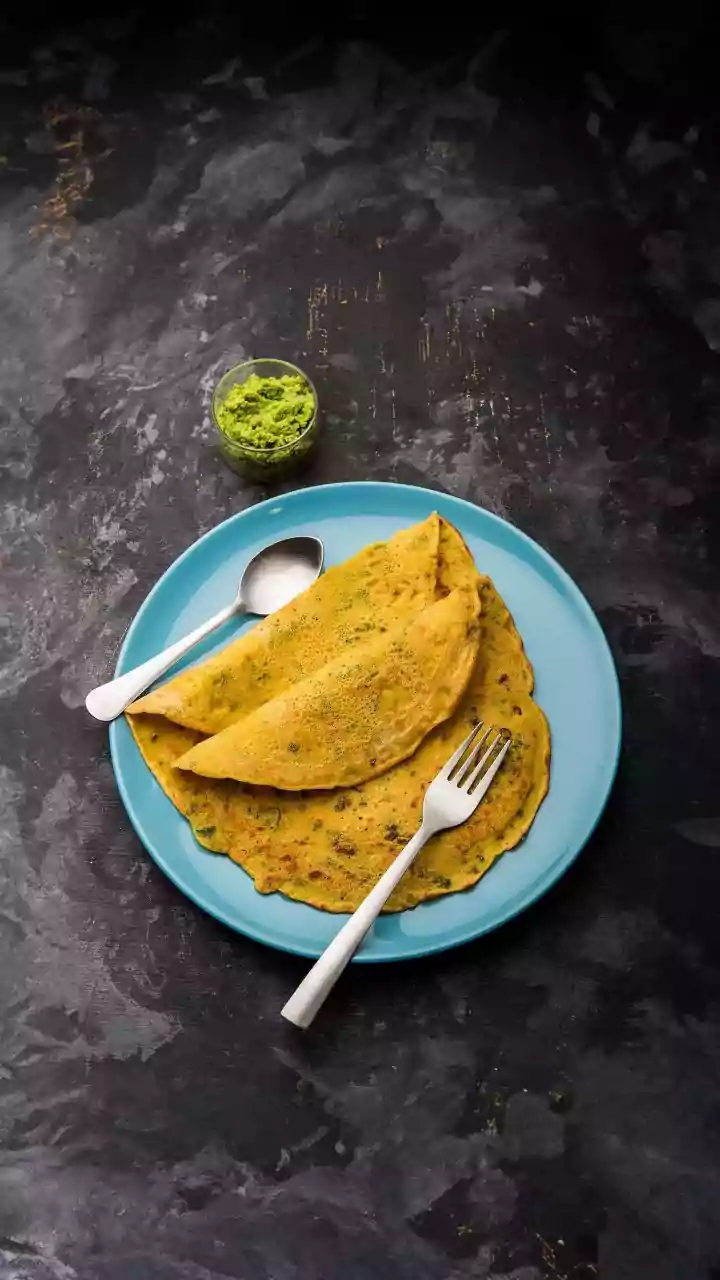
Need some inspiration to get started? Here are a few combinations that are both delicious and travel-friendly: North Indian Classic: Methi paratha (fenugreek flatbread), a small container of paneer butter masala, a side of dry aloo jeera (cumin potatoes), and carrot sticks with a dollop of mint chutney. South Indian Delight: Lemon rice, a portion of vegetable avial (vegetables in a coconut-yogurt gravy), a few medu vadas, and a small cup of curd rice for a cooling finish. * Quick & Healthy: Quinoa pulao, black chana salad, sautéed broccoli, and a handful of roasted makhana (fox nuts).
Tips for Success
To ensure your lunch is perfect when you open it, a few simple tips can help. Always let cooked food cool down completely before packing to prevent it from becoming soggy. Pack liquid dishes like dal or curries in leak-proof compartments or small, sealed containers within the bento box. Many Indian dishes, especially rice-based ones and dry sabzis, taste great at room temperature, making them ideal for lunch boxes. Finally, embrace leftovers! Last night's rajma or vegetable stir-fry can be the star of your next day's bento, saving you time and reducing food waste.