
How Yoga Unlocks Flexibility
Flexibility is more than just stretching muscles; it involves your entire musculoskeletal system. Yoga works on multiple levels to enhance your range of motion. Poses apply gentle, sustained tension to muscle fibers and the web of connective tissue called
fascia that surrounds them. This process helps release tightness and encourages tissues to lengthen safely. Over time, a consistent practice retrains your nervous system. Instead of instinctively tightening up to protect a muscle from a deep stretch, your body learns to relax into the pose, allowing for a greater, safer range of motion. This combination of physical stretching and neuromuscular re-education is what makes yoga so effective for long-term flexibility gains.
Cat-Cow Pose (Marjaryasana-Bitilasana)
This gentle, flowing sequence is one of the best ways to wake up your spine and is perfect for beginners. Start on your hands and knees in a 'tabletop' position, with your wrists directly under your shoulders and knees under your hips. As you inhale, drop your belly towards the mat, lift your chest and tailbone, and look forward into Cow Pose. As you exhale, round your spine toward the ceiling, tuck your chin to your chest, and press the mat away, moving into Cat Pose. This dynamic movement improves spinal mobility, relieves back tension, and synchronizes your breath with movement, preparing the body for deeper stretches.
Downward-Facing Dog (Adho Mukha Svanasana)
A foundational pose in most yoga practices, Downward-Facing Dog is a full-body stretch that targets some of the most common areas of tightness. From your tabletop position, tuck your toes, lift your hips up and back, forming an inverted 'V' shape with your body. Your hands should be shoulder-width apart, with fingers spread wide. Gently press your heels toward the floor; it's okay if they don't touch. This pose stretches the hamstrings, calves, and shoulders while strengthening the arms and back. For beginners, bending the knees can help lengthen the spine, which is the primary goal.
Seated Forward Bend (Paschimottanasana)
This pose provides a deep stretch for the entire back of your body, from your heels to your neck. Sit on the floor with your legs extended straight in front of you. You can sit on the edge of a folded blanket to help tilt your pelvis forward. Inhale to lengthen your spine, and as you exhale, begin to hinge forward from your hips, not your waist. Walk your hands forward along your legs, stopping when you feel a comfortable stretch in your hamstrings. Don’t worry about touching your toes; focus on keeping your spine long. This pose is incredibly calming for the nervous system and excellent for hamstring flexibility.
Cobra Pose (Bhujangasana)
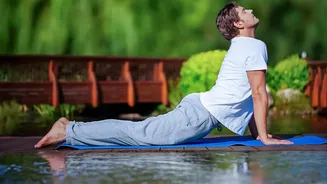
To counteract all the forward bending, Cobra Pose offers a gentle backbend that helps improve spinal flexibility and opens up the chest and shoulders. Lie on your stomach with your forehead on the mat, and place your hands under your shoulders with elbows tucked in. Press the tops of your feet into the floor. As you inhale, gently lift your head, chest, and shoulders off the mat, using your back muscles more than your arm strength. Keep your gaze slightly forward to avoid crunching your neck. This pose strengthens the back and improves posture, which is vital for overall mobility.
Bridge Pose (Setu Bandhasana)
Bridge Pose is a beginner-friendly backbend that opens the chest and hips. Lie on your back with your knees bent, feet flat on the floor hip-width apart, and arms alongside your body with palms down. As you exhale, press through your feet and lift your hips off the floor. Keep your thighs parallel. This pose stretches the front of the body, including the hip flexors, which can get tight from prolonged sitting. It also helps to strengthen the back and glutes, supporting a healthier, more flexible spine.