

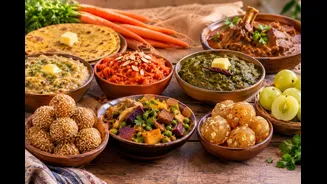
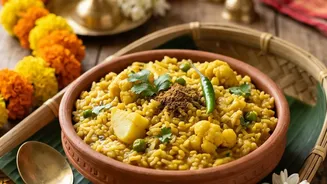
The Soul of Punjabi Winter Cuisine
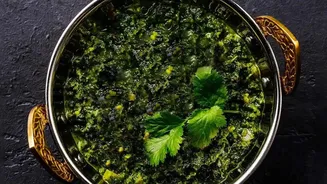
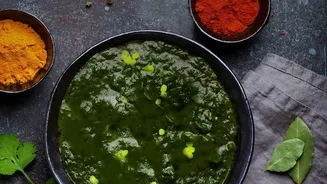
Sarson ka Saag is more than just a dish; it's a cultural emblem of the winter season in Punjab. Traditionally a staple for farming communities, it was slow-cooked for hours in large batches, providing a nutritious and hearty meal to sustain families through
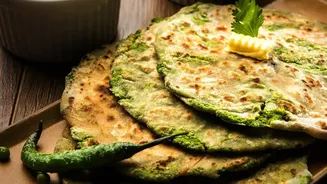
the cold months. The name itself translates simply to 'mustard greens', but the final dish is a complex blend of greens, spices, and patience. It embodies the principle of using seasonal produce at its peak, transforming humble ingredients into a celebrated feast, especially when paired with the rustic corn flatbread, Makki di Roti.
Why Mustard Greens are the Star
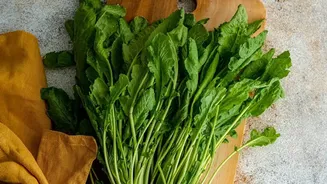
The defining ingredient of an authentic saag is, without question, sarson, or mustard greens. Available during the winter, these leaves possess a distinctly pungent, peppery, and slightly bitter taste. This assertive flavour is what gives the dish its characteristic earthy depth. Beyond taste, mustard greens are a powerhouse of nutrients, packed with vitamins A, C, and K, as well as antioxidants and fibre, making them an excellent choice for boosting immunity during the colder season. The robust flavour profile of mustard greens is the foundation upon which the entire dish is built.
Taming the Pungency: The Art of Balance
The key to a sublime Sarson ka Saag lies in balancing the inherent bitterness of the mustard greens. This is not achieved by masking the flavour, but by complementing it. Traditional recipes call for a mix of other leafy greens to mellow the pungency. Spinach (palak) is the most common addition, lending a milder, sweeter flavour and a smoother texture. Bathua (chenopodium or goosefoot) is another traditional winter green that adds a nutty, creamy element. Some recipes also incorporate fenugreek (methi), radish leaves (mooli ke patte), or even turnip greens to create layers of complex flavour. The ratio is often about one part mustard greens to one part mixed greens, creating a perfect harmony.
The Magic of Slow Cooking and Makki ka Atta
Patience is a crucial ingredient. Traditionally, the greens were simmered for hours until they became incredibly tender and creamy. This slow-cooking process breaks down the greens and allows the flavours to meld beautifully. To achieve the signature thick, luscious consistency and prevent the greens and water from separating, a thickening agent is essential. The traditional choice is makki ka atta (maize flour or cornmeal). A few tablespoons are added to the simmering greens, which not only thickens the saag but also imparts a subtle sweetness and creamy texture that cuts through any remaining sharpness.
Perfecting the Final Touches
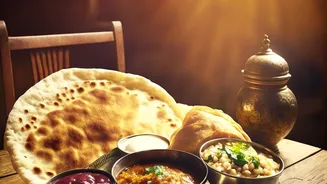
A great saag is finished in two parts: the tempering (tadka) and the serving. Just before serving, a fresh tadka is prepared. This involves sizzling aromatics like finely chopped ginger, garlic, and onions in a generous amount of ghee (clarified butter) until golden brown. This fragrant mixture is stirred into the saag, adding a final, vibrant layer of flavour. The dish is traditionally served piping hot with a large dollop of white homemade butter (makhan) melting on top. This isn't just for richness; the fat helps to smooth out the flavours on the palate, making the experience even more luxurious. Accompaniments like Makki di Roti, sliced onions, and a piece of jaggery (gur) complete this quintessential winter meal.