








A Tale of Two Waterlogged Cities
The skies over Mumbai and Delhi have been scenes of disruption over the past few days. In Mumbai, relentless downpours prompted the India Meteorological Department (IMD) to issue a 'red alert' over the weekend, which has since been downgraded to an 'orange'
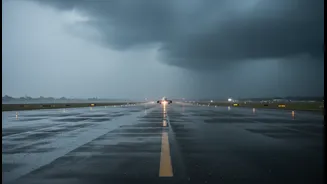
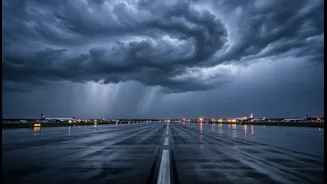
alert. The intense rain, with some areas receiving 250-300 mm, forced a temporary shutdown of runway operations at Chhatrapati Shivaji Maharaj International Airport (CSMIA) on Sunday morning due to strong winds and poor visibility. As of Monday morning, the weather had led to at least 17 flight cancellations and over 200 delays at the airport. Simultaneously, Delhi has been grappling with its own weather woes. The national capital is under a 'yellow' and in some parts 'red' alert, with thunderstorms and gusty winds disrupting flight schedules at Indira Gandhi International Airport (IGI). On Sunday, at least 15 flights bound for Delhi had to be diverted to other airports like Jaipur and Lucknow.
Why Rain Grounds Flights
While rain is common, the intensity seen in Mumbai and Delhi creates specific dangers for aviation. The primary issues are poor visibility, strong crosswinds, and waterlogging on runways. When visibility drops below a certain minimum, pilots cannot safely see the runway to land or take off. Strong and gusty winds, like the 42-knot speeds recorded in Mumbai, can make aircraft unstable during the critical phases of landing and takeoff. Furthermore, accumulated water on the runway poses a risk of aquaplaning, where a layer of water builds up between the tyres and the runway surface, leading to a loss of braking effectiveness. To ensure the safety of passengers and crew, airport authorities are often left with no choice but to suspend operations, creating a backlog that takes hours to clear.
Airlines Scramble, Passengers Stranded
Major airlines, including Air India, IndiGo, Akasa Air, and SpiceJet, have issued travel advisories, urging passengers to check their flight status before heading to the airport. These advisories are a crucial tool for passengers, as the situation on the ground can change rapidly. IndiGo noted that flights to and from both Mumbai and Pune were impacted, advising travellers to allow extra time for their commute to the airport due to potential traffic congestion caused by waterlogging. The disruptions have a ripple effect. Delays at major hubs like Mumbai and Delhi cause a domino effect across the entire country's aviation network, as aircraft and crew are displaced from their scheduled routes. This leads to delays and cancellations on routes not directly affected by the weather, compounding passenger frustration.
The Human Cost of Delays
For thousands of passengers, these disruptions translate into long, uncertain waits at crowded terminals. Images from the airports show travellers huddled around information screens, anxiously waiting for updates. The diversions mean that passengers expecting to land in Mumbai or Delhi find themselves in cities like Ahmedabad, Surat, or Lucknow, facing further waits before they can be flown back to their intended destination. While airlines state their teams are on the ground to assist affected travellers, the sheer volume of disruption often overwhelms resources, leaving many feeling stranded and in the dark. The recurring nature of this monsoon chaos highlights the ongoing challenge of balancing the demands of a modern aviation network with the powerful and unpredictable forces of nature in the Indian subcontinent.