






Myth: You Need Protein Powder to Build Muscle
This is one of the most persistent myths. While protein is absolutely essential for repairing and building muscle after exercise, protein powder is not a magical requirement. For most people, a well-balanced diet rich in whole food protein sources like
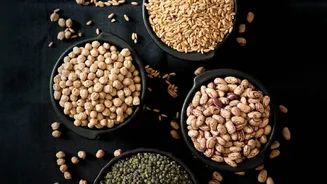
chicken, fish, eggs, dairy, legumes, and nuts is entirely sufficient to meet their needs. Protein powders offer convenience—it's often easier to chug a shake than to cook a meal right after a workout—but they are a supplement, not a necessity. Think of them as a tool to help you reach your daily protein goals, not the only way to get there.
Myth: Protein Powder Will Make Women 'Bulky'
This is a common fear that keeps many women away from protein supplements. The truth is, protein powder alone will not make you bulky. Gaining significant muscle mass is physiologically much more difficult for women due to having lower levels of testosterone, a key hormone for muscle growth. Achieving a 'bulky' or heavily muscled physique requires a very specific and intense weight training regimen combined with a significant calorie surplus, not just a daily protein shake. For most women, adding a protein supplement will simply aid in muscle recovery, support lean muscle tone, and help them feel fuller for longer.
Myth: More Protein Always Equals More Muscle
While it's true that you need adequate protein for muscle growth, simply consuming excessive amounts won't lead to endless gains. The body has a limit to how much protein it can effectively use for muscle protein synthesis at one time, generally estimated to be around 20-40 grams per meal. Consuming far more than your body needs won't supercharge muscle growth; instead, the excess protein will either be used for energy or, if you're in a calorie surplus, stored as fat. Focusing on consistent, well-spaced protein intake throughout the day is more effective than trying to pack it all into one or two massive servings.
Myth: All Protein Powders Are the Same
The supplement aisle can be dizzying, but the source and quality of your protein powder matter. Powders can be derived from various sources, including whey, casein (both from milk), egg, soy, pea, and rice. These differ in their amino acid profiles, digestion speed, and suitability for different dietary needs. For example, whey is fast-digesting and popular for post-workout recovery, while casein is slow-digesting and often taken before bed. Plant-based blends combine sources like pea and rice to create a complete amino acid profile comparable to whey. Furthermore, some powders contain added sugars, fillers, or artificial sweeteners, so reading the ingredient label is crucial.
Myth: Excessive Protein Is Dangerous for Your Kidneys
The idea that a high-protein diet damages healthy kidneys is a long-standing myth that has been largely debunked by recent research. For individuals with healthy, functioning kidneys, a high protein intake is generally considered safe. However, the key distinction is 'healthy kidneys'. People with pre-existing kidney disease must carefully monitor and limit their protein intake, as their kidneys have a harder time filtering protein waste products. Therefore, while the fear is overblown for most of the population, it's a critical consideration for those with specific health conditions.
When Expert Nutrition Advice Can Help
While it's helpful to debunk myths, navigating nutrition can still be complex. A registered dietitian or qualified nutrition professional can provide personalized guidance that a product label never will. You should consider seeking expert advice if you have specific health goals like significant weight change or are managing a medical condition like diabetes or kidney disease. They can also help if you experience digestive issues from supplements, are pregnant or breastfeeding, or follow a restrictive diet like veganism and want to ensure your nutritional needs are met. An expert can assess your entire diet, lifestyle, and goals to determine your actual protein needs and whether a supplement is right for you, rather than you relying on marketing claims and guesswork.