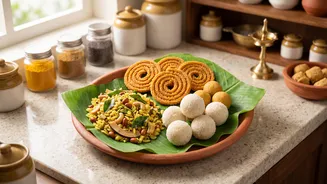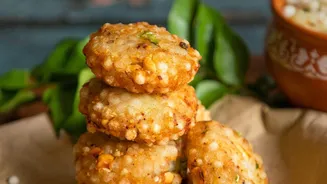

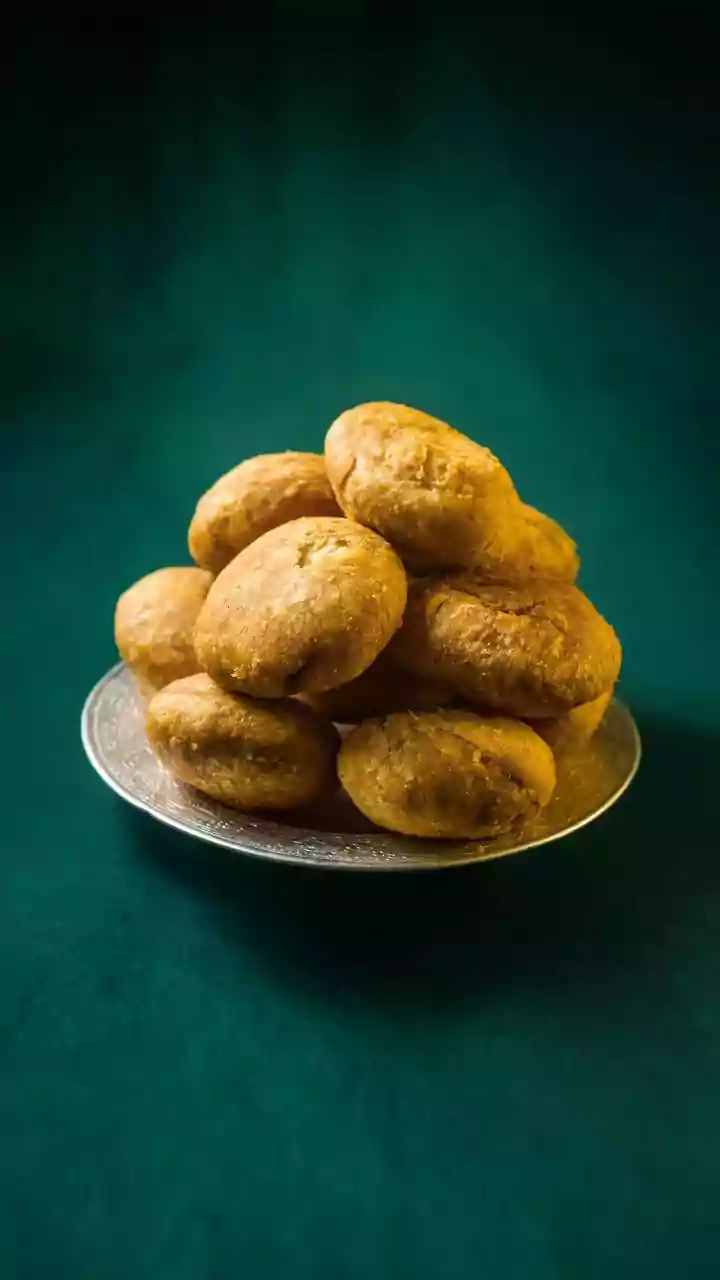
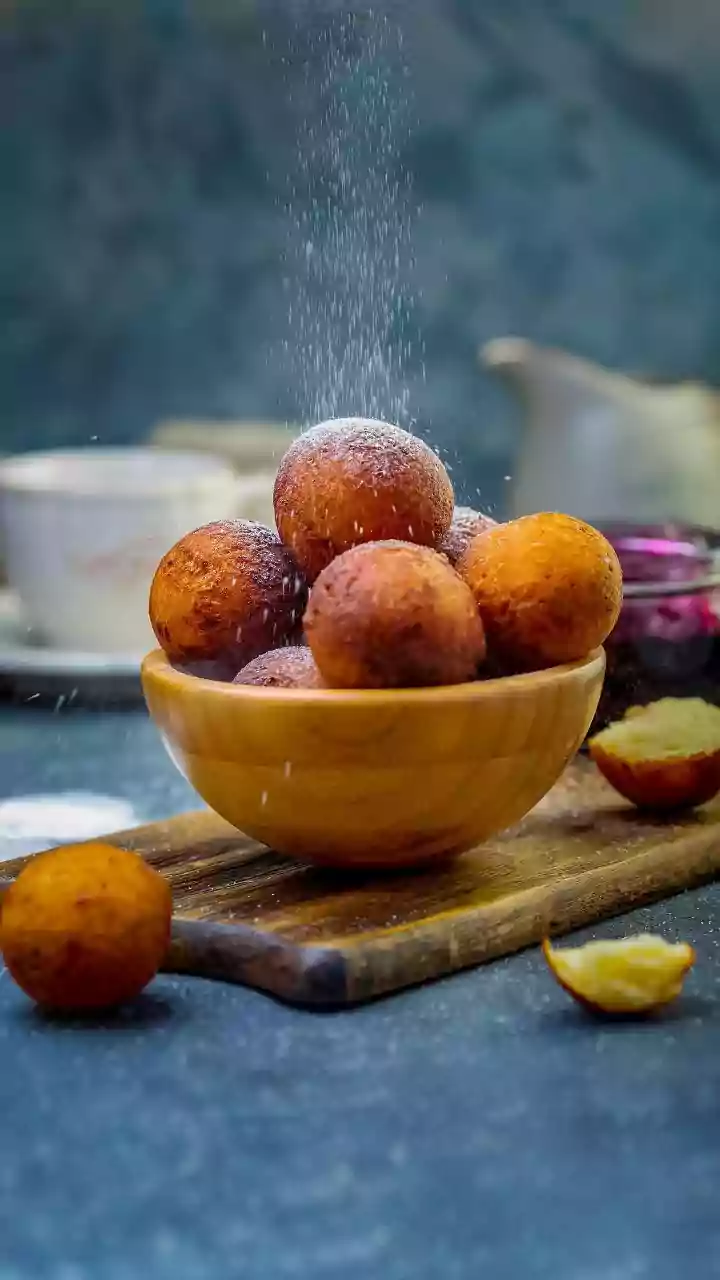

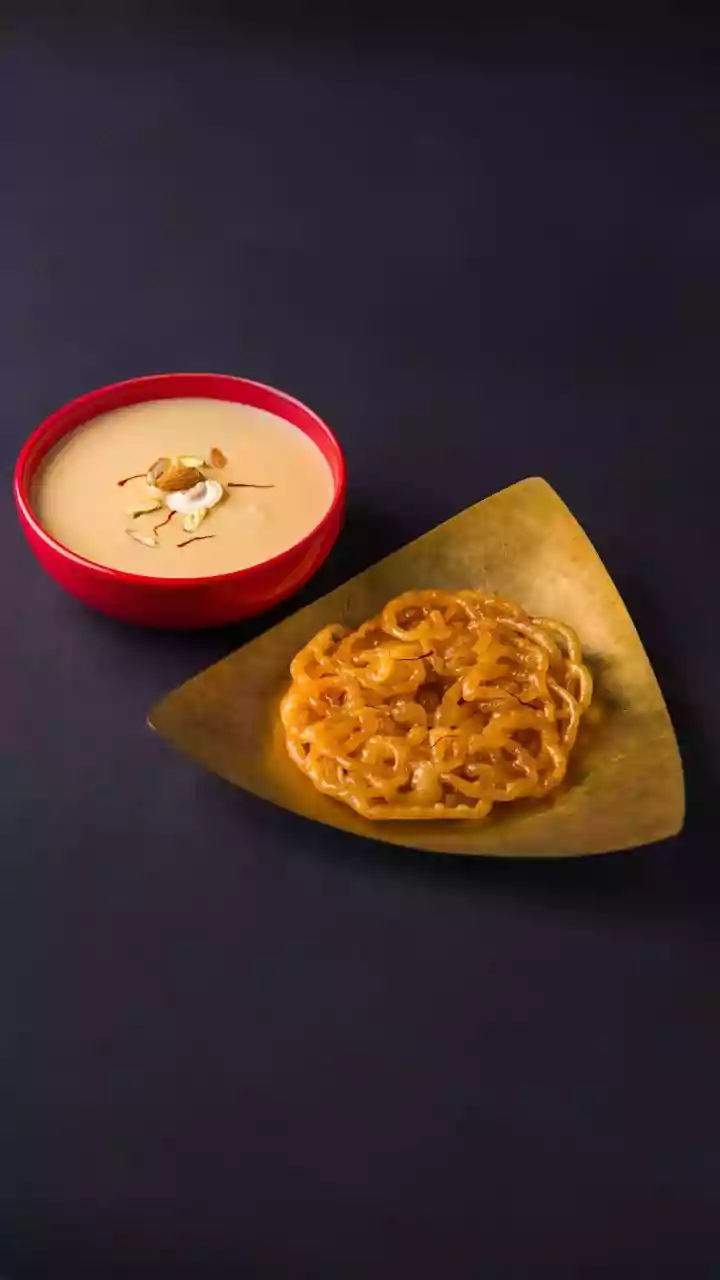


The aroma of chakli frying and besan ladoo roasting once filled every home before Diwali. Now, those same nostalgic scents are wafting from urban market stalls and home-chef kitchens, catering to a new generation's craving for tradition.
The Tradition-Convenience Conundrum
For generations,
the preparation of 'faral'—the array of sweet and savoury snacks for Diwali—was a cherished family ritual in Maharashtra. Days were spent patiently hand-crimping karanji, shaping spiral chaklis, and rolling ladoos. However, modern urban life, with its demanding work schedules, nuclear family structures, and shrinking living spaces, has made this elaborate, time-consuming process a challenge for many. The result is a cultural shift: the desire for these festive foods remains potent, but the capacity to make them at home has dwindled. This has created a significant gap in the market, one that urban entrepreneurs and food sellers are eagerly filling.
Not Just Any Snack Will Do
This isn't merely a case of swapping homemade for store-bought. Today’s consumers are discerning. They aren't just looking for convenience; they are on a quest for authenticity. There's a strong rejection of mass-produced, factory-made snacks that often compromise on ingredients and taste. Instead, the demand is for faral that tastes 'just like aaji’s (grandmother's)'—made with pure ghee, high-quality flour, and traditional recipes passed down through generations. This quest for a nostalgic, homemade flavour profile is the primary driver of the trend, with customers willing to pay a premium for snacks that promise quality, hygiene, and an authentic taste of home.
The Market's Multifaceted Response
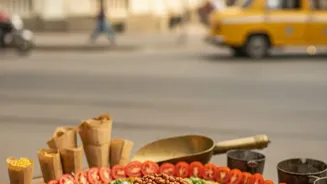
Urban food markets, particularly in cities like Mumbai and Pune, have responded robustly to this demand. Established sweet marts and grocery stores now dedicate significant space to a wide variety of faral items, moving beyond just a few basic ladoos. Many now offer customizable gift hampers, mixing traditional snacks with modern sweets and chocolates to appeal to a broader audience. Pop-up stalls and dedicated 'faral' sections become common sights in the weeks leading up to Diwali, creating a festive, bustling atmosphere for shoppers. The market has also gone digital, with numerous websites and online portals offering doorstep delivery across India and even internationally, catering to the diaspora who miss these festive flavours.
The Rise of the Home Chef
Perhaps the most significant development is the emergence of the 'homepreneur' or home chef. Talented home cooks, primarily women, have transformed their kitchens into small businesses, leveraging social media platforms like WhatsApp and Instagram to connect with customers. These home chefs are the backbone of the 'authentic' faral movement. They offer smallbatch, madetoorder products that guarantee freshness and adherence to traditional methods—a stark contrast to commercial production. This cottage industry not only empowers individuals financially but also ensures the preservation and circulation of hyperlocal, familyspecific recipes that might otherwise be lost. Many report being flooded with orders weeks in advance, sometimes having to rent larger spaces or hire help just to keep up with the festive rush.
What’s on the Authentic Platter?
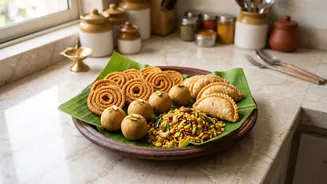
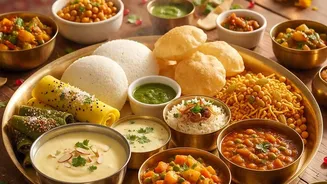
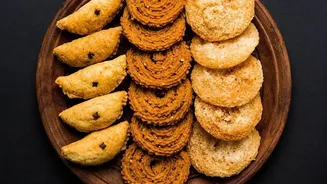
A true Maharashtrian faral platter is a study in texture and taste. On the savoury side, the star is often the 'Bhajnichi Chakli', a crispy, spiral snack made from a multigrain flour blend. It’s accompanied by spicy 'Tikhat Shankarpali' (savoury diamonds), 'Poha Chivda' (a light mix of flattened rice, peanuts, and spices), and thin, crunchy 'Sev'. The sweet offerings are just as crucial. 'Besan Ladoo', made from slow roasted gram flour and ghee, offers a grainy, meltinmouth texture. 'Karanji' is a crescentshaped pastry with a sweet coconut or semolina filling, while 'Anarse' are delicate, fried discs of rice flour and jaggery coated in poppy seeds. Each item is a labour of love, representing a different facet of the state's rich culinary heritage.