



The Sun's Toll on Solar Panels
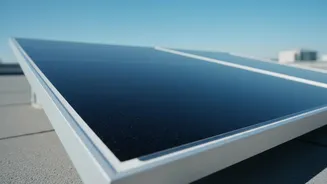
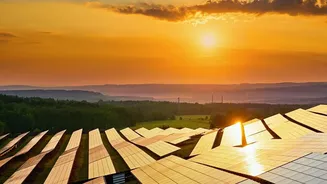
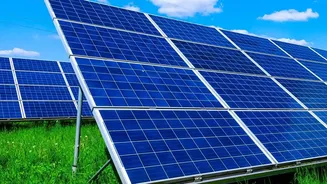
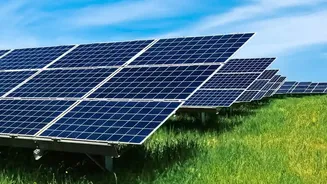
Solar panels are built to be durable, but they live a hard life. Constantly exposed to the elements, their greatest enemy is often the very source of their power: the sun. Ultraviolet (UV) radiation relentlessly beats down on solar arrays, causing gradual
damage to the materials that protect the sensitive photovoltaic cells within. This process, known as photodegradation, along with thermal stress from heat, causes panels to lose efficiency over time. The industry standard lifespan for a solar panel is about 25 to 30 years, during which its power output can decline by 10-20%. While this may seem like a slow process, for large-scale solar farms, even a small drop in efficiency can translate to significant financial losses and a shorter return on a massive investment.
Nature's Ultimate Sunscreen
Nature has already engineered a near-perfect solution for UV protection: melanin. This is the same pigment that gives colour to our skin, hair, and eyes. Its primary job in the human body is to act as a natural sunscreen, absorbing harmful UV rays before they can damage our cellular DNA. Melanin is incredibly effective at this, absorbing a broad spectrum of UV light and converting the harmful energy into harmless heat. Inspired by this biological marvel, scientists have developed ways to create melanin in a lab. This bio-synthetic melanin can be produced through biotechnological processes, often using recombinant microorganisms like E. coli to convert simple precursors into a material that is structurally and functionally very similar to the melanin found in nature.
A Protective Shield for Solar Cells
The idea is to apply a thin, transparent film of bio-synthetic melanin to the surface of solar panels. Just as it does for skin, this layer would act as a powerful protective shield. It absorbs the most damaging wavelengths of UV radiation while allowing the visible light needed for electricity generation to pass through unimpeded. By intercepting UV photons, the melanin coating prevents them from breaking down the encapsulants and backsheets that safeguard the delicate solar cells. This significantly slows the degradation process, helping the panels maintain their peak performance for longer. Some research suggests that melanin's unique properties could not only protect panels but also play a role in energy harvesting and storage, opening up further avenues for innovation.
The Eco-Friendly Advantage
What makes this approach particularly compelling is its environmental credentials. Many existing protective coatings for industrial applications are derived from petroleum-based polymers or may contain fluorine, which can have negative environmental impacts. Bio-synthetic melanin, on the other hand, can be produced through sustainable biotechnological routes. It is biocompatible and biodegradable, meaning it doesn't leave behind persistent pollutants. Compared to some synthetic alternatives, the production process can be more energy-efficient and less reliant on harsh chemicals. This aligns perfectly with the core purpose of solar energy: to create a cleaner, more sustainable power grid. Using a green technology to protect another green technology is a win-win.
Boosting India's Solar Ambitions
For a nation like India, which is aggressively expanding its solar capacity, this technology holds immense promise. India's diverse and often harsh climate, with intense sunlight and high temperatures, accelerates solar panel degradation. Extending the useful life and maintaining the efficiency of the country’s vast and growing solar infrastructure is a top priority. By increasing the durability of panels from 25 years to potentially longer, bio-synthetic melanin coatings could improve the long-term financial viability of solar projects and ensure a more reliable energy supply. This would make solar power an even more attractive investment, helping to secure India's energy future and meet its ambitious renewable energy targets.