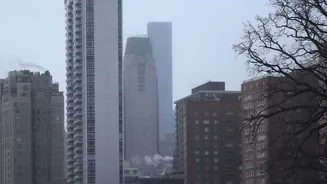







As winter arrives, the air in many Indian cities feels heavier and hazier. This isn't just your imagination. A specific weather phenomenon is at play, turning the sky into a murky brown and making every breath feel harder. But what is it?
How Air Is Supposed to Work
On a normal day,
the sun warms the Earth's surface, which in turn warms the layer of air closest to it. This warm air is less dense, so it rises. As it ascends into the atmosphere, it cools down, and the pollutants it carries—like smoke, dust, and vehicle exhaust—disperse over a much larger area. This constant circulation, known as convection, acts like the planet's respiratory system, cleaning the air we breathe near the ground. Cooler, denser air from above sinks to take its place, gets warmed by the surface, and the cycle continues. This vertical mixing is crucial for maintaining healthy air quality in our cities.
The Winter 'Lid' Effect: Temperature Inversion
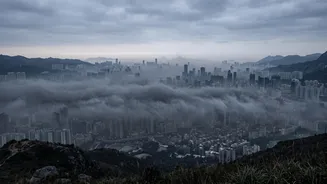
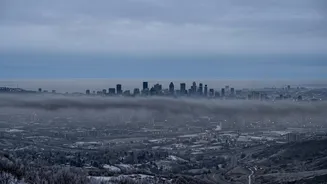
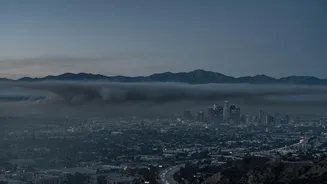
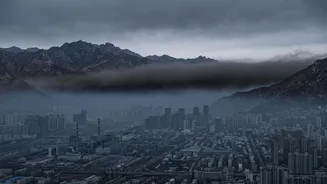
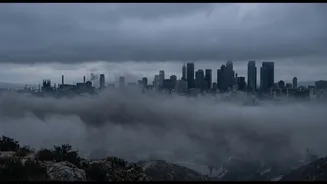
A temperature inversion flips this normal process on its head. It occurs when a layer of warmer air settles above a layer of cooler air near the ground. This warm layer acts like an invisible lid or a cap, preventing the cooler, denser air below from rising. Without this upward movement, there is no vertical mixing of air. The cool air, along with all the pollutants being emitted into it, gets trapped. Imagine putting a lid on a steaming pot; the steam has nowhere to go. This atmospheric 'lid' is precisely what happens during a temperature inversion, leading to a buildup of pollutants at ground level.
Why Inversions Love the Winter
Temperature inversions are particularly common during winter for a few key reasons. The nights are longer and the sun is at a lower angle during the day, meaning the ground loses heat much faster after sunset. This rapid cooling chills the layer of air directly above the surface. However, the air higher up remains relatively warm, creating the perfect conditions for an inversion. Calm, light winds exacerbate the issue, as there's no breeze to mix the air layers horizontally. This combination of long, cold nights and still air allows the inversion to set in and persist, often until the sun is strong enough the next day to warm the ground and break the cycle.
A Toxic Soup of Trapped Emissions
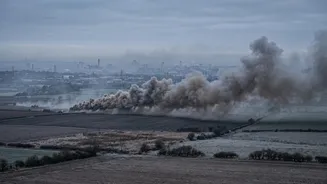
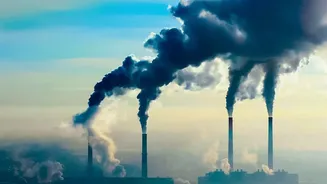
This trapped layer of cool air becomes a concentrated reservoir for pollutants. In cities across India, a primary source of this pollution is vehicle exhaust. Cars, trucks, and buses constantly release a cocktail of harmful substances like particulate matter (PM2.5), nitrogen oxides (NOx), carbon monoxide (CO), and volatile organic compounds (VOCs) directly into this trapped layer. Normally, these pollutants would rise and scatter, but the inversion lid holds them near the ground, right where we live and breathe. The pollution from morning rush hour traffic, for instance, gets stuck in this stagnant air, leading to the familiar dense smog that blankets cities like Delhi. This effect is often worsened by other winter pollution sources, including industrial emissions and the burning of agricultural stubble in neighbouring states.
The Health Cost of Polluted Winter Air
Breathing this highly concentrated mix of pollutants has serious health consequences. Fine particulate matter, or PM2.5, is small enough to penetrate deep into the lungs and even enter the bloodstream, causing respiratory and cardiovascular problems. Nitrogen oxides irritate the respiratory system, while carbon monoxide can reduce the blood's ability to carry oxygen. This leads to a spike in hospital visits for issues like asthma attacks, bronchitis, coughing, and shortness of breath, particularly among children and the elderly. The immediate effects can include irritation in the eyes, nose, and throat, but long term exposure is linked to chronic lung disease and an increased risk of cancer.