


The Great Indian Snack Shift
The way India snacks is undergoing a significant transformation. Driven by a growing consciousness around health and wellness, consumers are increasingly looking beyond traditional fried namkeens and sugary biscuits. This isn't just a niche trend confined
to metros; it's a nationwide movement. Reports show a dramatic rise in demand for snacks perceived as 'better-for-you'. More than half of Indian consumers now say they proactively manage their diet, and this intention is directly reflected in their shopping carts. This shift is fuelling one of the fastest-growing segments of the food industry, with the healthy snack market projected to reach Rs. 30,000 crore by 2028. It's clear that mindful munching has moved from an occasional choice to an everyday habit.
What's Driving the Change?
Several factors are behind this collective move towards healthier eating. A post-pandemic surge in health awareness has made people more critical of what they consume. Consumers are now actively reading labels and seeking out products with 'clean' ingredients, free from artificial additives. This demand for transparency is a major force, with a reported 72% of consumers preferring clean-label ingredients. At the same time, rising disposable incomes allow for more discerning choices. The digital boom has also played a crucial role. The rise of direct-to-consumer (D2C) brands and quick-commerce platforms has made a wide variety of healthy options more accessible than ever, moving them from specialty stores to smartphone apps.
Meet the New Snack Heroes: Millets and More
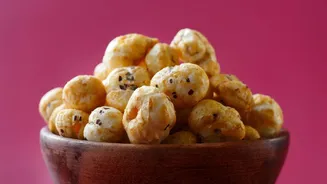
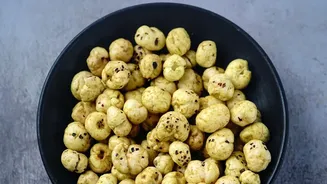
So, what are people eating instead? Millets are at the forefront of this revolution. Once considered humble grains, millets like ragi, jowar, and bajra are now celebrated for their high-fibre, gluten-free, and nutrient-dense profiles. The market for millet-based snacks has seen explosive growth, with everything from ragi chips and jowar puffs to bajra namkeen becoming popular. Other stars include roasted makhana (fox nuts), which are praised for being light and low in fat, and various baked, not fried, snacks. You'll also find a surge in protein-rich options like roasted chana, peanut chikki, and snacks fortified with plant-based proteins.
Traditional Favourites Get a Healthy Makeover
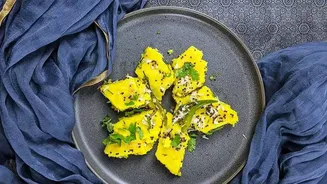
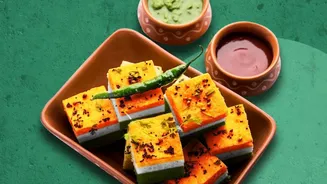
This trend isn't about abandoning tradition, but reinventing it. Many beloved Indian snacks are being reimagined with a healthy twist. For example, dhokla and idli, which are steamed and made from fermented batter, are being highlighted as naturally healthy choices. Murukku, traditionally deep-fried, is now available in baked versions or made with nutritious ragi flour. Even the classic samosa is getting a healthier update with ragi-based pastry and baked preparations. Poha chivda, a light snack of flattened rice, is being prepared with minimal oil to appeal to health-conscious consumers. This blend of familiar flavours and modern health consciousness allows consumers to enjoy the tastes they love without the guilt.
The Rise of New-Age Snack Brands
Fuelling and benefiting from this trend is a wave of innovative D2C snack brands. Companies like The Whole Truth, Slurrp Farm, and Let's Try have built their businesses on the promise of transparency and healthier ingredients. They connect directly with consumers through online platforms, using clear labelling and storytelling to build trust. These brands have been particularly successful on quick-commerce apps, where impulse snack purchases are common. By offering unique products like ragi cookies, jackfruit chips, and oats-based biscuits, they are capturing the attention of a generation that values both health and convenience. Even legacy food companies are now diversifying their portfolios to cater to this growing demand.