
The Building Blocks of Protein
Think of protein as a long chain made of smaller links called amino acids. Our bodies use 20 different amino acids to build everything from muscle tissue to enzymes. Nine of these are called 'essential amino acids' because our bodies can't make them;
we have to get them from food. A food that contains all nine of these essential amino acids in sufficient amounts is called a 'complete protein'. Animal-based foods like meat, eggs, and dairy are generally complete proteins. Plant-based foods, however, often have a lower amount of one or more of these essential amino acids.
The Concept of 'Incomplete' Protein
When a food is low in one or more essential amino acids, it's considered an 'incomplete' protein. The amino acid that is in short supply is called the 'limiting amino acid'. This doesn't mean the food is bad or lacks protein. It just means that on its own, it doesn't provide the full set of building blocks your body needs in the right proportions. This is where the idea of protein quality scores, like the Protein Digestibility-Corrected Amino Acid Score (PDCAAS), comes in. These scores measure how complete and digestible a protein is, with a perfect score indicating it provides all essential amino acids.
The Grain and Legume Partnership
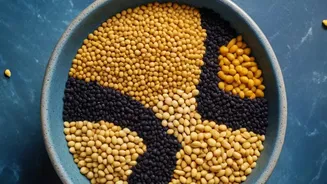
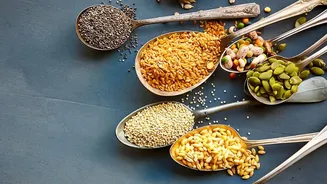
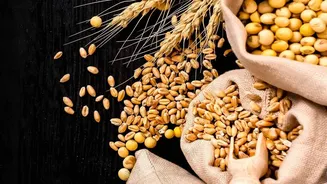
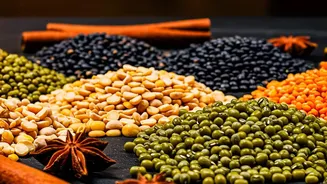
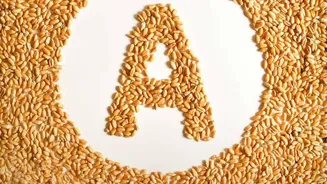
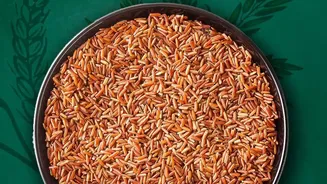
This brings us to two superstars of the plant kingdom: cereal grains and legumes. Cereal grains, such as wheat, rice, and corn, are staples across the globe. They are a fantastic source of energy and nutrients but tend to be low in one specific essential amino acid: lysine. Legumes—a family that includes lentils (dals), chickpeas, beans, and peas—are nutritional powerhouses packed with protein, typically containing almost double the protein of cereals. However, they are generally low in a different essential amino acid: methionine. You can probably see where this is going. One has what the other lacks.
How Protein Complementation Works
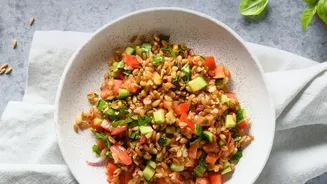
By pairing cereal grains and legumes, you create a meal that delivers a complete amino acid profile. The lysine that is lacking in the grain is supplied by the legume, and the methionine that is lacking in the legume is supplied by the grain. This synergistic effect is called protein complementation. Together, they form a complete protein, significantly boosting the meal's overall protein quality score. This isn't a new-age health trend; it's a nutritional strategy that has been practiced intuitively in traditional diets around the world for centuries. While modern nutritional science shows that you don't necessarily have to eat them in the exact same meal—your body can pool amino acids over the course of a day—the pairing remains a simple and effective way to ensure you're getting a balanced intake.
Classic Pairings From Your Kitchen
The beauty of this nutritional wisdom is that it's already present in some of the most delicious and comforting foods. In India, the combination of dal with rice or roti is a perfect example of protein complementation. The same principle applies to Mexican beans and tortillas, Middle Eastern hummus (chickpeas) with pita bread, Italian pasta e fagioli (pasta and beans), and the simple American classic, a peanut butter sandwich on whole-wheat bread. These meals aren't just cultural staples because they're tasty; they are fundamentally sound from a nutritional standpoint, providing high-quality protein to fuel the body without relying on animal products.