


More Than a Walk in the Park
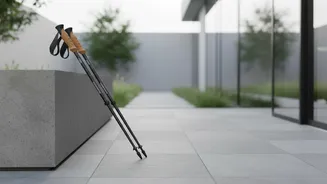
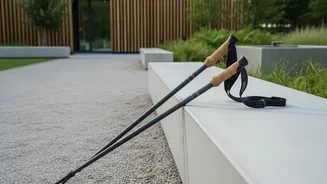
At first glance, it looks like walking with ski poles. But Nordic walking, which originated in Finland as off-season training for skiers, is a specific technique designed to transform a simple stroll into a comprehensive workout. By using specially designed poles and an opposite-arm-to-leg
movement, you actively push yourself forward. This simple addition engages your upper body muscles—including the arms, shoulders, chest, and back—turning what is normally a lower-body exercise into a workout that uses around 90% of your muscles. The result is a low-impact activity that feels natural but delivers far greater benefits than a regular walk.
The Full-Body Benefits of Simplicity
The magic of Nordic walking lies in its efficiency. By engaging the upper body, you significantly increase your heart rate and calorie burn compared to conventional walking—some studies suggest by 20%, while others estimate it could be as high as 46%. This makes it a fantastic cardiovascular exercise that builds stamina without the high-impact stress on joints that comes with activities like running. This makes it an ideal option for people of all fitness levels, including those with joint pain or who are looking for a safer way to get active. Moreover, the poles provide added stability, improving balance and posture, which is beneficial for everyone from young professionals to active seniors.
A Welcome Shift to 'Everyday Fitness'
Nordic walking's rising popularity is part of a broader trend away from grueling, high-intensity workouts and expensive gym memberships. People are increasingly seeking 'everyday fitness'—activities that are accessible, affordable, and easy to integrate into daily life. The financial and logistical barriers of traditional fitness are high. In contrast, Nordic walking requires minimal investment: a pair of poles and a good pair of shoes. It can be done almost anywhere, from a city park to a rural trail, alone or in a group. This low barrier to entry makes it an incredibly democratic form of exercise, aligning perfectly with the desire for sustainable health routines that don't feel like a chore. Recent market analysis shows the demand for Nordic walking poles is steadily growing, reflecting this shift towards low-impact, accessible fitness.
Mind, Body, and the Great Outdoors
The case for Nordic walking extends beyond the physical. Like any outdoor activity, it offers significant mental health benefits, reducing stress and improving mood. The rhythmic, coordinated movement can be meditative, offering a chance to disconnect from daily pressures while connecting with nature. Recent findings even show that a regular Nordic walking routine can help ease symptoms of depression. As the activity's demographic broadens to include younger participants, clubs are innovating with new formats like nighttime walks and themed routes that combine exercise with discovery. This social dimension adds another layer of appeal, turning a solitary workout into a community experience and making it an activity that people genuinely look forward to.