




What Exactly Is a Dead Hang?
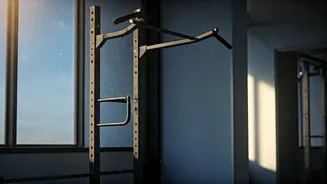
The dead hang is a straightforward bodyweight exercise. It involves gripping an overhead bar and letting your body hang with your arms fully extended and feet off the ground. It sounds simple, and it is, but this passive stretch works several muscle groups
in the upper body, including the back, shoulders, core, and forearms. The primary goal is to relax into the hang, allowing gravity to do the work of stretching your body. Unlike a pull-up, there's no active pulling motion; you just hang. This simplicity is key to its appeal, especially for those who may be new to exercise or looking for a low-impact way to improve their physical health.
The Desk Worker's Dilemma
Modern corporate life often involves spending eight or more hours a day sitting. This sedentary lifestyle contributes to what some call 'computer guy' posture—a rounding of the shoulders and upper back that can lead to chronic tension, stiffness, and pain. Prolonged sitting compresses the spine, slows metabolism, and can create muscle tightness. The dead hang offers a direct counter-movement to this daily compression. By elongating the body, it helps reverse the hunched-forward position that many desk workers find themselves in, providing a much-needed stretch to muscles that rarely get to experience their full range of motion during the workday.
The Science of Spinal Decompression
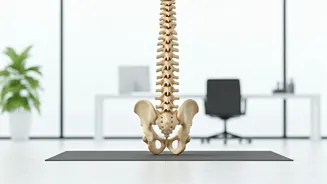
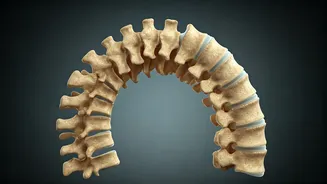
One of the most touted benefits of the dead hang is spinal decompression. The theory is that by hanging, the force of gravity gently pulls the vertebrae apart, creating space between the spinal discs. This can help relieve pressure, reduce stiffness, and allow nutrient-rich fluid to rehydrate the discs, which can lose hydration as we age. While it’s difficult to measure exactly how much decompression occurs in the spine versus other tissues, the overall stretch across the shoulders, lats, and back provides significant relief for many. This gentle traction can feel particularly good for a sore back that's been compressed from hours of sitting.
More Than Just a Stretch
Beyond back relief, dead hangs offer several other key benefits. A primary one is a significant improvement in grip strength. Holding your body weight is a serious challenge for the muscles in your hands and forearms. Interestingly, studies have shown that grip strength can be a strong predictor of overall health and future mobility. The exercise also improves shoulder health and mobility by stretching the joint and strengthening the stabilising rotator cuff muscles. Regular practice can help address postural problems by strengthening the upper back muscles, like the lats and traps, that help you stand taller.
How to Hang Safely
Proper form is crucial to reap the benefits and avoid injury. Start by using a secure, stable overhead bar that you can reach easily with the help of a step or bench—you shouldn't have to jump to grab it. Grip the bar with your palms facing away from you, hands slightly wider than your shoulders. Step off the bench and let your body hang, keeping your arms straight and shoulders relaxed. Try to avoid swinging by engaging your core. If you're a beginner, start with short holds of 10-20 seconds and gradually work your way up to a minute as your grip strength improves. Aim for a few sets, resting in between.
Risks and Who Should Be Cautious
While beneficial for many, the dead hang isn't for everyone. Incorrect form, like shrugging your shoulders or bending your elbows, can lead to strain. Individuals with pre-existing shoulder issues, such as hypermobility or a history of dislocations, should be particularly cautious. In these cases, the passive stretch could potentially lead to further instability. Similarly, those with certain spinal conditions like acute herniated discs should consult a doctor before trying this exercise, as the shifts in pressure might not be suitable. The key is to listen to your body and stop immediately if you feel sharp pain.