


More Than Just a Grain
For generations, rice has been the comforting heart of Indian meals. Yet, for decades, the focus was on high-yield, polished white varieties that filled pantries but offered little variety. Today, that is changing. A movement driven by farmers, chefs,
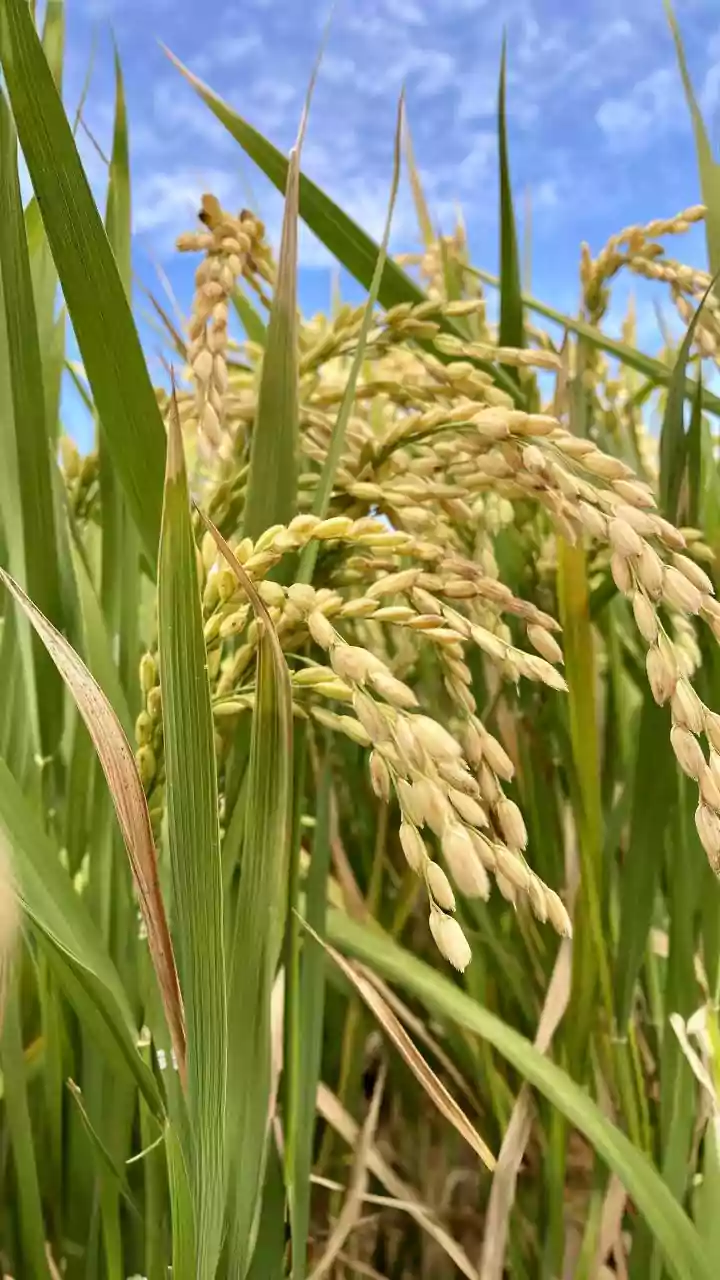
and curious home cooks is bringing India's forgotten rice heritage back to the dining table. This revival is about more than just nostalgia; it's a discovery of profound flavours, powerful nutritional benefits, and climate-resilient farming practices that are more relevant than ever. From the cyclone-prone Sundarbans to the dry plains of Tamil Nadu, farmers are cultivating ancestral grains that are naturally resistant to pests, floods, and saline soil.
Spotlight on Heritage Stars
The diversity of India's heirloom rice is staggering, with each variety telling a story of its region. Consider Kala Namak, the 'Buddha Rice' from Uttar Pradesh with a GI tag. Cultivated since the Buddhist period, this aromatic grain is rich in iron and zinc, and has a low glycemic index, making it suitable for diabetics. Then there is Navara, a medicinal red rice from Kerala treasured in Ayurveda. Often cooked into a soft, comforting porridge called 'kanji', it's known for being easy to digest and nourishing for recovery. From West Bengal comes Gobindobhog, a short-grained, buttery-scented rice that is the star of festive dishes like payesh and pulao. These are just a few of the thousands of varieties that once flourished across the country.
The Flavour of Health
One of the biggest drivers of this revival is what cooks are discovering about the health benefits. Unlike heavily polished white rice, many traditional varieties are unpolished or semi-polished, retaining their nutrient-rich bran layer. This layer is packed with fibre, vitamins like B6, and essential minerals such as iron, magnesium, and zinc. Red and black varieties, like Karuppu Kavuni from Tamil Nadu, are loaded with antioxidants called anthocyanins—the same compounds found in blueberries—which help fight inflammation. For health-conscious households, the lower glycemic index of many traditional rices is a significant draw, as it helps manage blood sugar levels more effectively.
A Return to the Roots
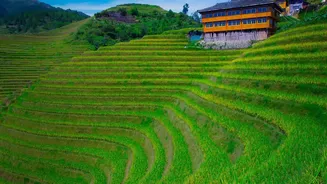
This rice revival is also a conscious choice to support biodiversity and sustainable farming. For years, the push for monoculture led to the disappearance of thousands of native rice varieties. Today, farmer-led conservation efforts and seed banks are working to bring them back from the brink. By choosing these grains, consumers are creating a market that values agricultural heritage and rewards farmers for cultivating climate-resilient crops that often require fewer chemical inputs. Several state governments, like those in Tamil Nadu and Karnataka, have even launched missions to promote and document these landraces, providing incentives for farmers to continue growing them.
In the Modern Indian Kitchen
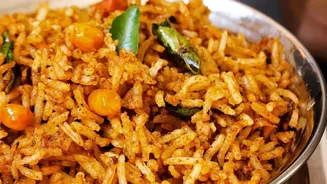
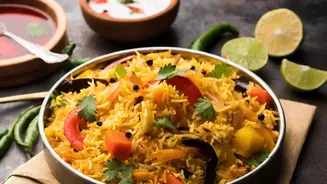
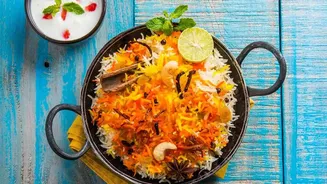
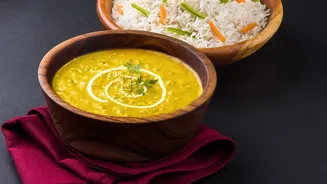
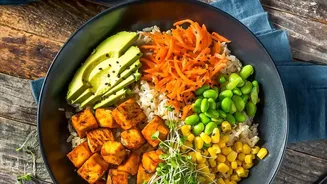
The discovery is most exciting in the kitchen itself. Chefs and home cooks are finding that these grains offer a palette of tastes and textures that modern rice cannot match. The nutty, chewy bite of red rice, the subtle stickiness of Gobindobhog, and the floral aroma of Kala Namak inspire both traditional and innovative cooking. These grains are being used for everything from classic biryanis and khichdis to contemporary risottos and salads. The result is a meal that is not only more flavourful and nutritious but also deeply connected to the soil and culinary history of India.