




The Digital Awakening
The single biggest catalyst for this shift is the digital revolution. Affordable smartphones and cheap data have penetrated deep into India's Tier 2 and Tier 3 cities, from Lucknow to Guwahati. This has democratised access not just to information, but
to aspiration. Platforms like Instagram, YouTube, and Moj have become virtual town squares where beauty is discovered, discussed, and dissected. E-commerce giants like Amazon, Flipkart, and Nykaa have further levelled the playing field, ensuring a consumer in Jaipur or Indore has access to the same global and local brands as someone in a major metro. In fact, a huge chunk of online sales for major marketplaces—over 80% for some—now originate from non-metro markets, signaling a massive shift in purchasing power.
The Rise of the Relatable Creator
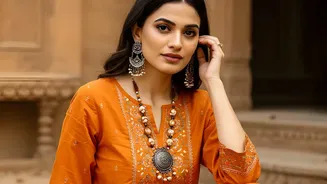
Alongside the rise of e-commerce is the emergence of a new kind of influencer: one who is deeply relatable. For years, the influencer space was dominated by polished, urban creators showcasing aspirational lifestyles. Now, a new wave of creators from smaller towns is gaining massive traction by being authentic and speaking in regional languages. They create content that reflects their local context, from tutorials in Bhojpuri or Bangla to reviews of affordable products. This authenticity builds a powerful bond of trust. Followers see them not as distant celebrities, but as peers whose recommendations feel genuine. Brands have taken note, with up to 45% of national campaigns now specifically seeking regional creators to connect with these burgeoning markets.
A New Beauty Dialogue
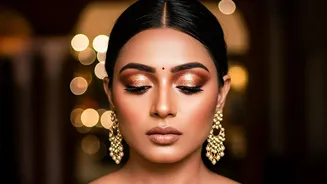
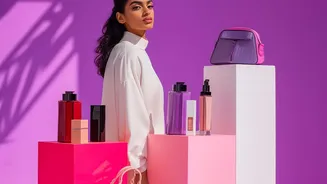
This shift isn't just about who is selling products, but about what beauty means. Creators and consumers in smaller cities are challenging the one-size-fits-all narrative. They are blending global trends like 'glass skin' with traditional Ayurvedic practices and home remedies. This has given rise to a unique, hybrid beauty culture. The focus is often on real-world concerns, ingredient transparency, and products that cater specifically to Indian skin and hair needs. Direct-to-consumer (D2C) brands have been particularly successful in tapping into this, offering targeted solutions and building loyal communities around shared values. This has led to a more inclusive and diverse definition of beauty, one that celebrates regional identities rather than erasing them.
From Adoption to Origination
While metro consumers might still be the first to experiment with niche global trends, the distinction is blurring. Smaller cities are no longer just adopting trends; they are adapting and, increasingly, originating them. The rapid feedback loop of social media allows local hacks, styles, or product discoveries to go viral and achieve national recognition overnight. A creator's unique take on a festival look or a review of a homegrown product can spark a nationwide conversation. Major platforms report that two in three beauty searches now originate from non-metro cities, highlighting that this is where the curiosity and demand are being shaped. This consumer base isn't passively waiting for trends to arrive; they are actively searching, creating, and influencing the market in real-time.