





The Great Kitchen Rewind
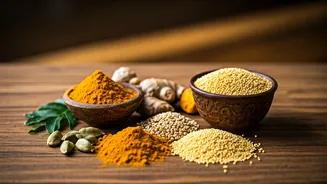
Walk through any urban market or scroll through your social media feed, and you’ll notice a pattern. Ancient grains like millets are being celebrated as ‘superfoods’. Ghee, once unfairly villainised, is back in favour with nutritionists. The slow, deliberate
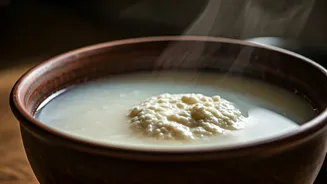
process of fermentation, from making sourdough bread to brewing kanji, has become a weekend pursuit for many. This isn't just about nostalgia for a simpler time; it's a conscious, widespread movement. We are collectively turning back the clock on our food habits, not to escape the present, but to enrich it. This shift represents a powerful rejection of the hyper-processed, convenience-first food culture that has dominated for decades, in favour of something more wholesome, sustainable, and deeply connected to our roots.
Health as Heritage
A major driver behind this trend is a modern understanding of health that, ironically, validates ancient wisdom. For years, we were told to avoid traditional fats like ghee and coconut oil. Today, science is catching up to what our ancestors knew instinctively: these fats, when used correctly, are essential for everything from brain health to nutrient absorption. Similarly, the wellness world's obsession with gut health has led people straight back to traditional fermented foods. The probiotics found in homemade dahi, pickles, and fermented drinks like kombucha and kanji are now recognised as crucial for a healthy digestive system. This isn't just about adding a 'superfood' to your diet; it's about embracing a holistic food philosophy where nutrition and flavour have always been intertwined.
A More Sustainable Plate
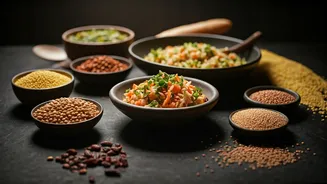
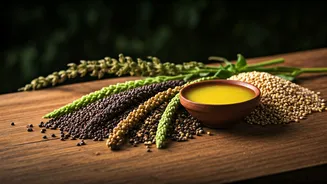
The return to old food habits is also a powerful answer to modern environmental crises. Our grandparents naturally ate seasonally and locally because they had no other choice. Today, we are choosing to do so as a deliberate act of sustainability. Eating local produce reduces food miles and carbon footprints. Embracing ‘forgotten’ vegetables and native grains like ragi, jowar, and bajra promotes biodiversity and supports soil health, making our agriculture more resilient to climate change. Furthermore, traditional practices inherently valued a ‘root-to-leaf’ or ‘nose-to-tail’ approach, minimising waste long before it became a trendy hashtag. By reviving these habits, we are rediscovering a food system that is not only healthier for us, but also gentler on the planet.
Finding Connection in the Kitchen
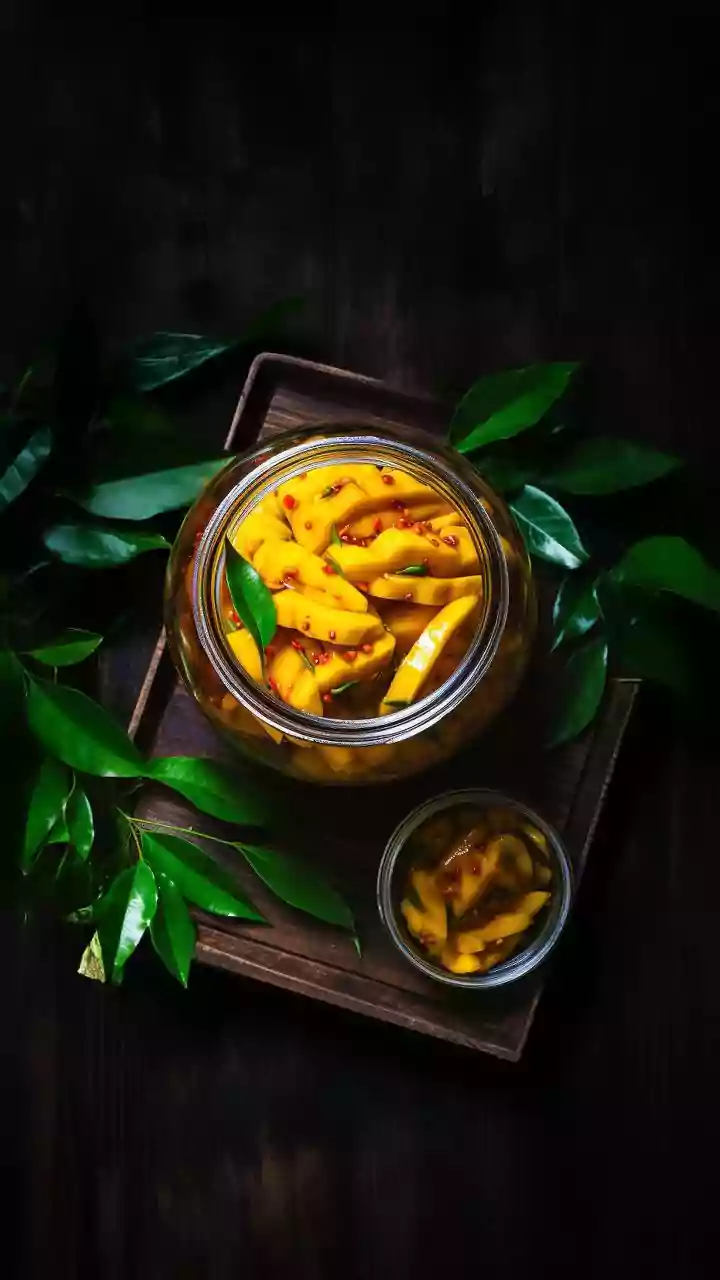
Beyond health and sustainability, this movement is deeply emotional. In a fast-paced, digitally saturated world, the kitchen has become a sanctuary. The act of kneading dough, watching a sourdough starter bubble to life, or carefully preparing a family recipe is a form of mindfulness. It connects us to our hands, our senses, and our heritage. Every jar of achaar holds more than just mangoes and spices; it holds stories, memories, and the taste of a specific time and place. Sharing these creations, whether online with a community of fellow bakers or at the dinner table with family, forges a sense of belonging. It’s a tangible way to keep traditions alive, translating the wisdom of a previous generation into a language the current one can understand and cherish.