






The New Kitchen Command Centre
For generations, the soundscape of an Indian kitchen was the rhythmic clang of a pressure cooker whistle and the sizzle of spices hitting hot oil. Today, those sounds are joined by the hum of an air fryer, the beep of a digital timer on an Instant Pot,
and the calm voice of a YouTube chef guiding a recipe from a smartphone propped against a spice jar. This isn't laziness; it's a strategic upgrade. Young Indians, often juggling demanding careers, long commutes, and social lives, view the kitchen less as a place of laborious duty and more as a project to be managed efficiently. The goal is no longer just a delicious meal, but a delicious meal achieved with minimal time, effort, and mental load.
Technology as the Ultimate Sous Chef
The single biggest driver of this shift is the democratisation of smart kitchen technology. Gadgets that were once considered luxuries are now staples. The air fryer, for instance, has become a phenomenon, offering a healthier, faster, and less messy way to achieve the crispy textures beloved in Indian snacks and appetisers. Multi-function cookers like the Instant Pot allow for 'dump-and-go' recipes, enabling users to prepare complex dishes like dal makhani or biryani with the press of a button. Beyond hardware, software plays an equally crucial role. Recipe apps, QR-code-driven cooking instructions, and an endless library of online video tutorials have replaced dog-eared family cookbooks, empowering even novice cooks to tackle ambitious dishes with confidence.
The Rise of the Weekend Meal Prep
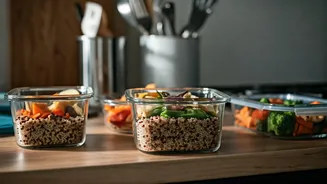
The concept of 'meal prep'—preparing ingredients or entire meals for the week ahead—is another cornerstone of this new productivity. While Indian households have always practiced some form of preparation, like grinding masalas in bulk, today’s approach is far more systematic. Sunday afternoons are now dedicated to chopping vegetables, boiling legumes, making base gravies, and portioning out meals into containers. This practice serves two key purposes. Firstly, it drastically cuts down cooking time on busy weekdays, turning a potential one-hour task into a 15-minute assembly job. Secondly, it’s a powerful tool for health and budget management, reducing the temptation to order expensive and often unhealthy takeout after a long day at work.
Breaking Traditional Gender Molds
Perhaps the most significant aspect of this redefinition is social. The kitchen is slowly shedding its identity as a space exclusively managed by women. For many young urban couples, cooking is a shared responsibility, a creative outlet, or simply a necessary life skill for all genders. This shift is driven by education, financial independence, and a conscious move towards more egalitarian partnerships. Cooking is being reframed as a collaborative and enjoyable activity rather than a prescribed chore. This change in mindset is fundamental to the new idea of kitchen productivity, where efficiency benefits everyone in the household, freeing up time for shared leisure and personal pursuits.
Global Palates, Optimised Methods
This new generation is also more adventurous with their food choices. Exposure to global cultures through travel and media has cultivated a taste for everything from pasta and tacos to ramen and Thai green curry. However, their approach to making these dishes is distinctly practical. They seek out '30-minute' versions of complex recipes and find clever substitutes for exotic ingredients that aren't readily available. This fusion of global flavours with hyper-efficient, localised cooking methods perfectly encapsulates the new kitchen philosophy: embrace variety, but never at the expense of simplicity and speed. It's about enjoying the world on a plate, without spending the entire day preparing it.