




Redefining Infrastructure for a Greener Home
When we talk about infrastructure, we mean the essential systems that support a community. In the context of a sustainable home, this isn't about concrete and steel, but about the core habits and skills that enable a low-impact lifestyle. Home cooking
is emerging as a critical piece of this personal infrastructure. It’s a system that, once established, allows for the efficient management of resources, reduction of waste, and a smaller environmental footprint. This shift in perspective reframes cooking from a simple chore or hobby into a foundational practice for anyone looking to live more sustainably. It's about building a framework of competence in the kitchen that supports greener choices elsewhere, from the grocery store to the bin.
Winning the War on Waste at the Stove
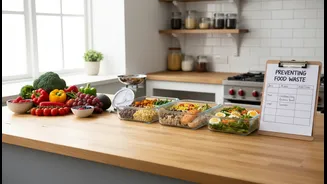
One of the most significant environmental benefits of home cooking is its power to combat food waste. An astonishing amount of food is wasted at the consumer level. When you cook at home, you gain control. You decide on portion sizes, which one study found dramatically cuts down on plate waste compared to eating out. More importantly, cooking skills empower you to use ingredients creatively and completely. That limp carrot or handful of leftover rice isn't waste; it's the base for a stock, a soup, or fried rice. Traditional Indian cooking has long championed this philosophy, turning vegetable peels into flavourful broths and leftovers into new dishes. This “root-to-stem” approach, born from resourcefulness, is now being recognized as a key sustainability practice.
Smarter Shopping and Less Packaging
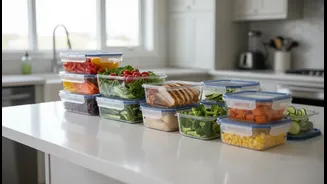
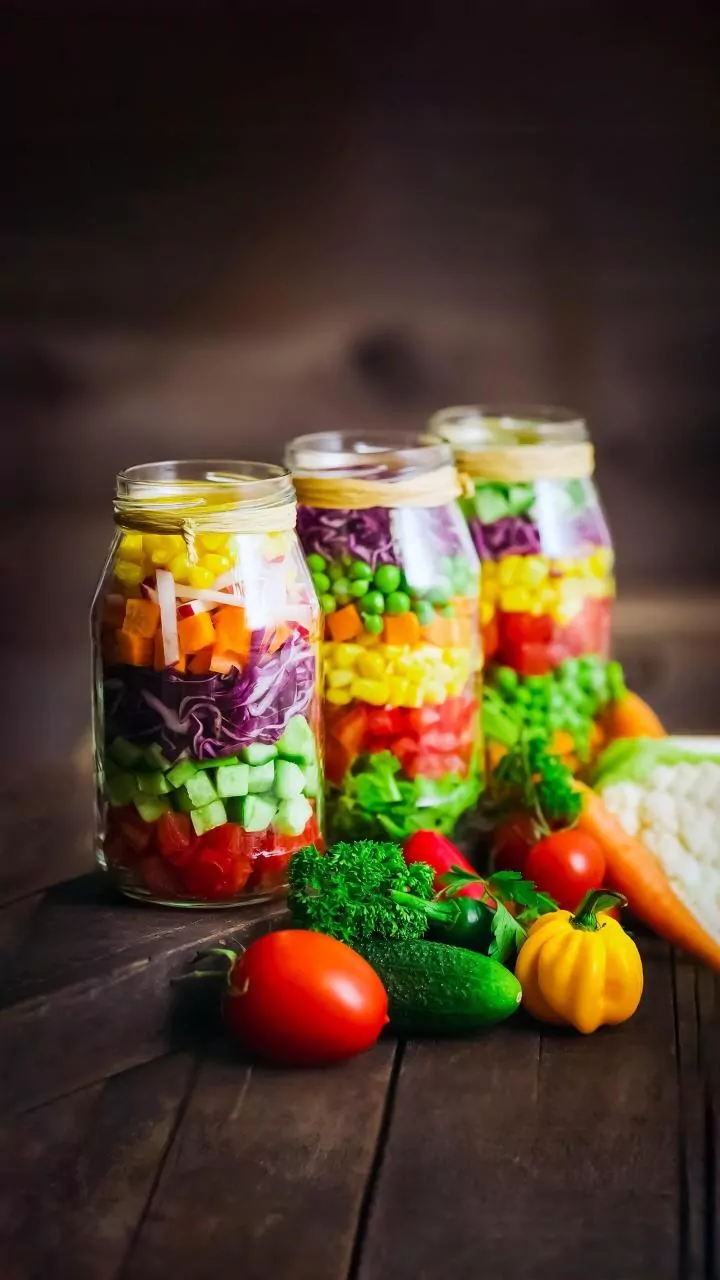
The benefits of cooking start before you even turn on the stove. The simple act of meal planning is a powerful tool for sustainability. When you know what you’re going to cook, you can create a precise shopping list, which helps prevent impulse buys of food that might spoil. This leads to buying only what you need, saving money and resources. Furthermore, cooking from scratch drastically reduces packaging waste. Think of the difference between buying fresh vegetables, grains, and spices versus purchasing a ready-to-eat meal swathed in plastic and cardboard. By choosing whole ingredients, you avoid layers of single-use packaging, and storing them in reusable containers further curbs plastic use in the kitchen.
Lowering Your Carbon Footprint, One Meal at a Time
The food on our plates has a hidden carbon cost from transportation, processing, and storage. Cooking at home provides several ways to shrink this footprint. By planning meals, you can prioritize local and seasonal ingredients, which don't have to travel thousands of miles to reach your plate. This reduces transportation-related emissions. Additionally, home kitchens are often more energy-efficient than large, industrial restaurant kitchens. Even your cooking method matters; energy-saving techniques like pressure cooking or steaming, common in many Indian households, consume less power than prolonged baking or boiling. Developing these skills helps you make conscious choices that benefit the planet.
From Kitchen Skill to Sustainable Habit
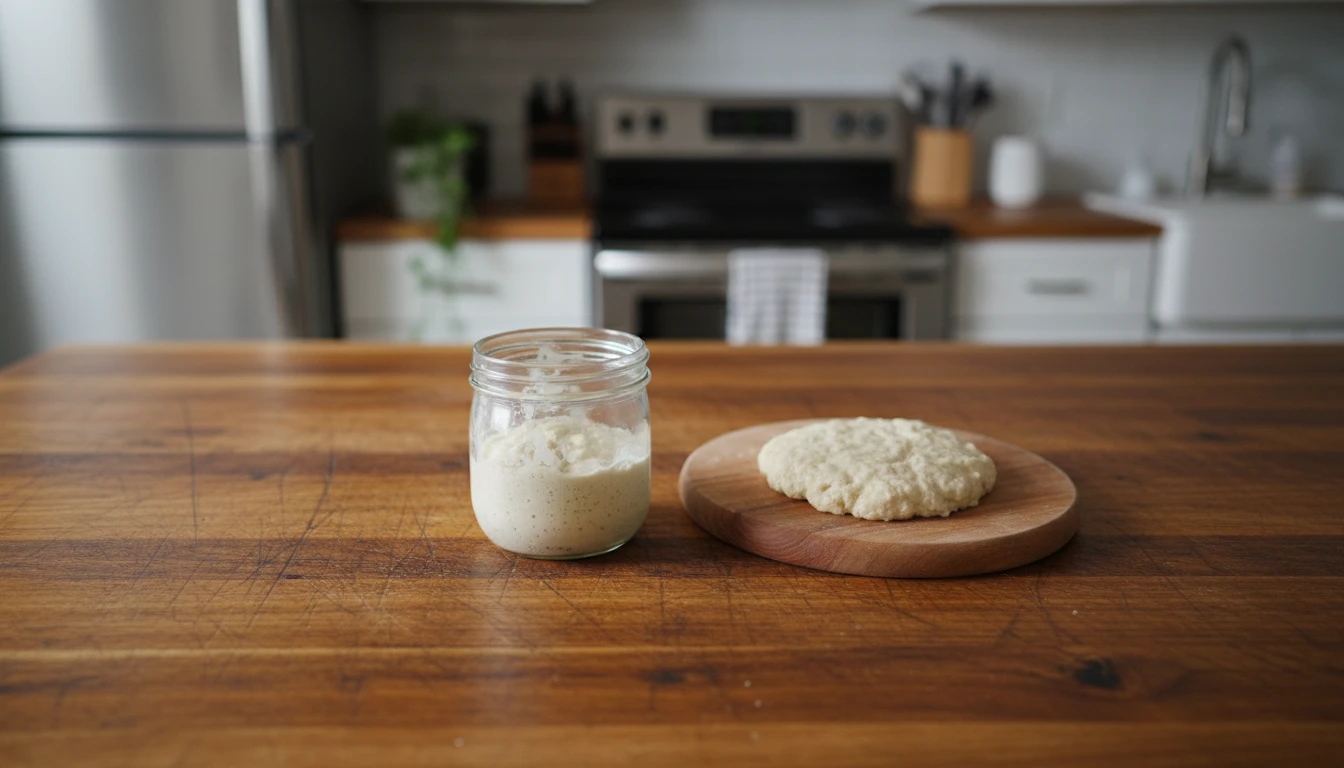
Ultimately, building cooking skills is about fostering a deeper, more mindful relationship with food. When you invest time and effort into preparing a meal, you gain a greater appreciation for the ingredients and the resources required to produce them. This mindfulness naturally leads to less waste and more conscious consumption. It’s a return to the wisdom embedded in traditional kitchens, where resourcefulness was a way of life. Our grandmothers' kitchens were often models of sustainability, long before it became a popular concept. They mastered preservation techniques like pickling and sun-drying, used durable, multi-generational cookware, and ensured nothing edible was ever thrown away. Embracing these timeless skills is not about going backwards; it’s about carrying forward proven wisdom to build a more resilient and sustainable future, right from our own homes.