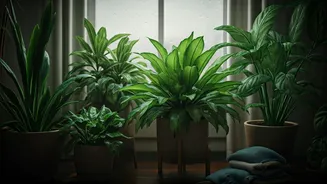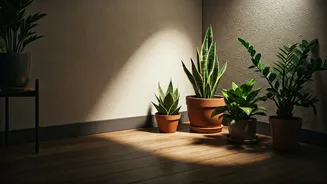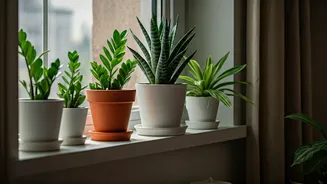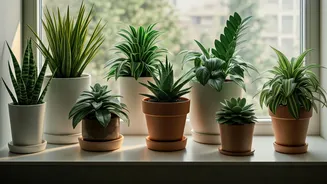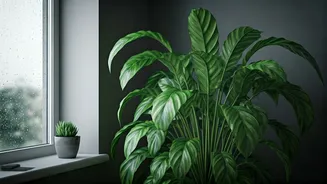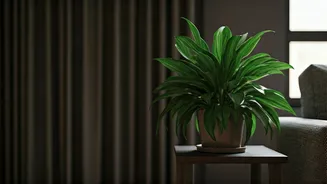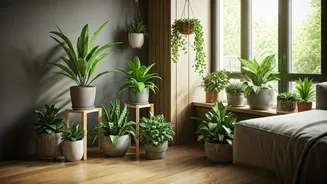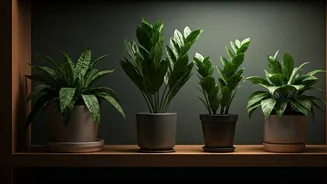





First, What Is ‘Low Light’ Anyway?
Before you can choose the right plant, it helps to understand what “low light” actually means. No plant can survive in a windowless closet without artificial light. For houseplants, low light typically refers to a spot several feet away from a window,
in a room with a north-facing window, or any area that receives no direct sunbeams. A good rule of thumb is the “reading test”: if there’s enough natural light to comfortably read a book during the day, you have a perfect spot for a low-light plant. These plants have adapted to grow slower and capture light more efficiently, often originating from the floors of dense rainforests.
The Unkillable Classic: ZZ Plant
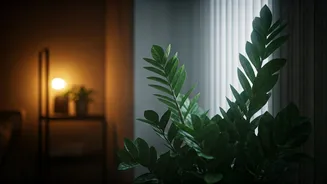
The ZZ Plant (Zamioculcas zamiifolia) has earned its reputation as a nearly indestructible houseplant. With its deep green, glossy leaves that grow in an elegant, arching pattern, it adds a touch of modern sculpture to any room. The secret to its resilience lies in its underground rhizomes, which store water and allow it to tolerate drought and infrequent watering. In fact, the biggest mistake you can make with a ZZ Plant is giving it too much attention, especially overwatering. It’s happy in a corner office or a dim bedroom, growing slowly but steadily without any fuss.
The Victorian Survivor: Cast Iron Plant
There's a reason the Aspidistra elatior is called the Cast Iron Plant—it's incredibly tough. A favorite in dimly lit Victorian parlors, this plant has large, deep-green, lance-shaped leaves that grow directly from the soil, creating a lush, full look. It truly thrives on neglect, tolerating low light, inconsistent watering, and a wide range of temperatures. It prefers its soil to dry out between waterings and is highly resistant to pests. For a touch of something extra, look for variegated versions like 'Milky Way' which have leaves speckled with cream-colored spots.
The Pop of Colour: Aglaonema
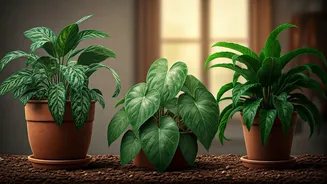
Who said low-light plants have to be just green? The Aglaonema, or Chinese Evergreen, proves that shady spots can be vibrant. While the classic silver and green varieties like 'Silver Bay' are beautiful and exceptionally tolerant of low light, many newer cultivars offer stunning splashes of color. Varieties like 'Red Valentine' or 'Siam Aurora' feature brilliant pink and red markings on their leaves, adding a warm glow to a dim room. These plants are generally easygoing, though the more colorful varieties may appreciate slightly brighter indirect light to maintain their best hues.
The Tropical Touch: Parlour Palm
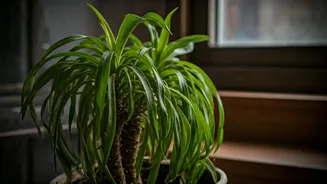
For those dreaming of a touch of the tropics, the Parlour Palm (Chamaedorea elegans) is a perfect choice. With its delicate, arching fronds, it brings a sense of airy elegance to a space. Native to the rainforests of Mexico and Guatemala, it is well-adapted to the understory, meaning it's comfortable in lower-light indoor conditions. Unlike some palms, it stays relatively compact, making it ideal for tabletops or floor planters. Avoid direct sunlight at all costs, as it will scorch the leaves. It appreciates consistent moisture and a bit of humidity if you can provide it.
The Cascading Vine: Heartleaf Philodendron
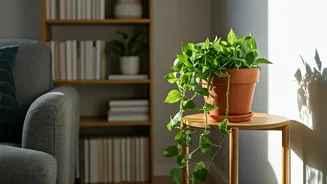
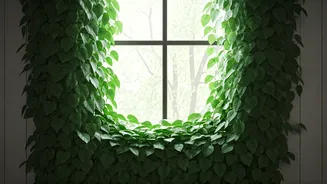
If you have a high shelf, a bookcase, or a hanging basket to fill, look no further than the Heartleaf Philodendron (Philodendron hederaceum). This fast-growing vine features lovely, heart-shaped glossy leaves and is one of the most forgiving houseplants available. It’s extremely adaptable and will happily trail its vines in low to medium indirect light. Its care is simple: water when the top inch of soil feels dry and keep it out of direct sun, which can burn its delicate leaves. It’s an easy and rewarding way to add a cascade of green to a forgotten vertical space.