





The Promise of a Perfect Complexion
It was a global phenomenon that swept through India with the force of a monsoon. The 10-step Korean beauty routine arrived with a seductive promise: follow these intricate steps, and you too could achieve a complexion so luminous and clear it resembles
glass. We were introduced to a whole new vocabulary of skincare—essences, ampoules, sheet masks for every day of the week, and the non-negotiable double cleanse. On social media and in magazines, it was presented as a form of meditative self-care, a ritual that separated the casual dabbler from the truly committed. For many, it felt like finally taking control of our skin, armed with a multi-layered arsenal against pollution, ageing, and blemishes.
Signs Your Skin Is Overwhelmed
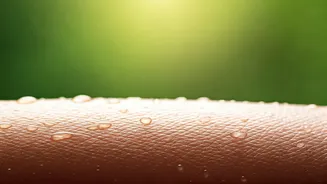
The backlash began not as a trend, but as a quiet murmur of confusion. Why was skin that was supposed to be getting better suddenly becoming more sensitive? The truth is, a 'more is more' philosophy can be actively harmful. Bombarding your skin with a dozen different products, especially those with powerful active ingredients like acids (AHA/BHA), retinoids, and Vitamin C, can lead to a chemical overload. The signs are often subtle at first: a little redness, a slight tingle that doesn't go away, or small, rash-like bumps. This is your skin sending an SOS. You might be experiencing over-exfoliation, which strips away healthy skin cells, or simply causing irritation by mixing ingredients that don’t play well together. Instead of glowing, your skin feels tight, looks red, and is more prone to breakouts than before you started.
The All-Important Skin Barrier
Dermatologists point to one main victim of the overzealous routine: the skin barrier. Think of it as your skin's personal security guard. This outermost layer, called the stratum corneum, is a carefully constructed wall of lipids and skin cells that keeps moisture in and irritants out. When you scrub too hard, use harsh cleansers, or layer too many potent acids, you effectively dismantle this wall. A compromised skin barrier is unable to protect itself, leading to transepidermal water loss (aka dehydration) and leaving it vulnerable to environmental aggressors like pollution and bacteria. This is why skin can suddenly feel dry and oily at the same time, or become reactive to products it previously tolerated.
Enter 'Skinimalism': A Smarter Approach
In response to this routine fatigue, a new philosophy has emerged: 'skinimalism'. This isn't about being lazy; it's about being intentional. Skinimalism champions a minimalist, sustainable approach that focuses on the health of your skin, not the number of products on your shelf. It’s about understanding what your skin truly needs and providing it with a few high-quality, effective products rather than an entire library. This approach is not only better for your skin but also for your wallet and the environment. It shifts the goal from blindly following a complicated regimen to building a simple, consistent habit that delivers real, lasting results.
Building Your Core Four Routine
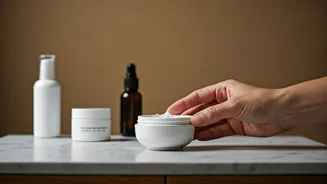
So, what does a 'skinimalist' routine look like? Most dermatologists agree on a core framework of three to four essential steps. Think of it as CTM-P: Cleanse, Treat, Moisturise, and Protect. 1. **Cleanse:** Use a gentle cleanser that cleans your skin without stripping it of its natural oils. 2. **Treat:** This is the targeted step. Use one serum with an active ingredient that addresses your primary concern (e.g., Vitamin C for brightness in the morning, a retinoid for anti-ageing at night, or salicylic acid for acne). The key is to use *one* at a time. 3. **Moisturise:** A good moisturiser is non-negotiable. It hydrates the skin and helps repair and support your skin barrier. 4. **Protect:** In the daytime, the final and most crucial step is applying a broad-spectrum sunscreen with at least SPF 30. This is the single best anti-ageing product you can use.