




An Unexpected Lunar Collision
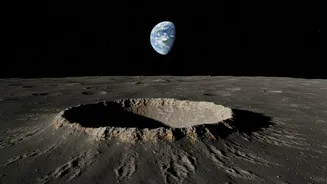
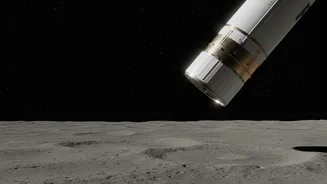
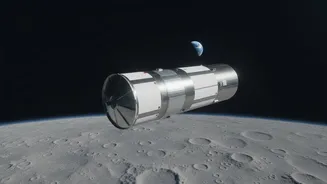
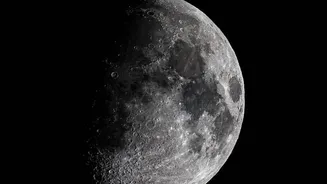
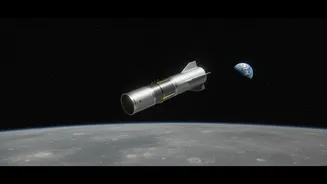
In the early hours of August 5, 2026, a four-tonne piece of space debris concluded its journey in dramatic fashion. The spent upper stage of a SpaceX Falcon 9 rocket impacted the far side of the Moon near a formation known as the Einstein Crater. Travelling
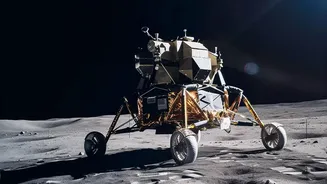
at an immense speed, the object carved a new crater into the lunar surface, estimated to be about 18 metres wide. This was not a planned maneuver. The rocket stage was a remnant from a January 2025 mission that successfully deployed two lunar landers. Having completed its primary task, the booster was left in a chaotic orbit, where the gravitational pulls of the Earth, Moon, and Sun eventually sealed its fate.
From Space Junk to Science Lab
The story of how this crash became a scientific event begins with diligent tracking. Independent astronomer Bill Gray, who specialises in calculating the orbits of objects in space, was among the first to realize the rocket stage was on a collision course with the Moon. Once the impact was confirmed as a certainty, what could have been written off as another piece of human-made debris became a rare, valuable experiment. Scientists around the world coordinated an observation campaign, turning their telescopes toward the predicted impact zone. Unlike the thousands of natural meteoroid impacts the Moon endures, this one involved an object with known properties: its mass, speed, and material composition were all understood. This turned the accidental crash into a controlled experiment on a celestial scale.
What Scientists Hope to Learn
The key to the opportunity lies in the ejecta—the plume of lunar dust and rock (regolith) kicked up by the force of the impact. By studying this plume, scientists can learn about the composition of the Moon's subsurface without needing to land a mission and dig. Immediately following the August 5th collision, the European Southern Observatory reported that its Very Large Telescope detected chemical signatures of sodium and lithium in the debris cloud. The sodium is believed to have come from the lunar soil itself, while the lithium may be a fingerprint of the rocket's own materials. Furthermore, observing how the crater formed in real-time provides invaluable data for refining models of impact dynamics. This knowledge is crucial for understanding the Moon's geology and for predicting the effects of future natural impacts.
The Bigger Picture: A Crowded Moon
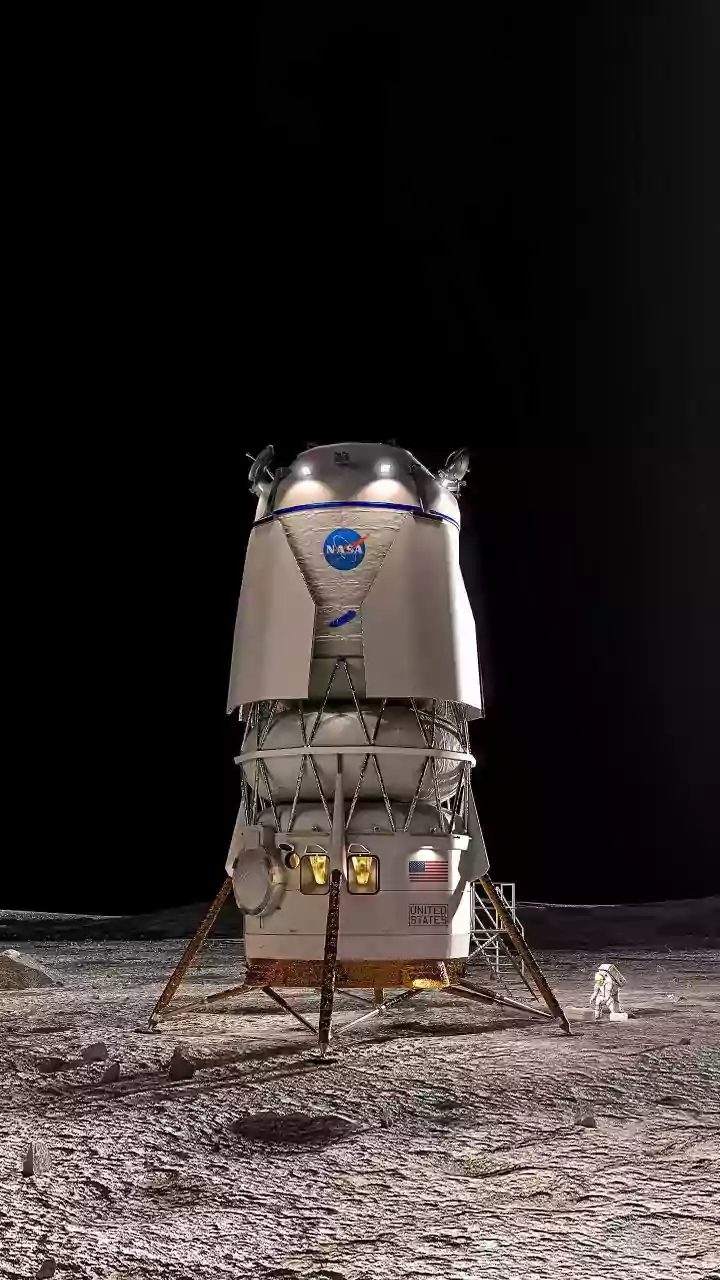
While this particular impact was a scientific boon, it also highlights a growing concern: the increasing amount of space junk in the lunar environment. As nations and private companies from around the world ramp up their lunar ambitions, including NASA's plans for a permanent base through the Artemis program, the space around the Moon is getting more crowded. This unplanned collision serves as a reminder of the need for better tracking and regulation of objects in high-Earth and lunar orbits. Understanding the potential hazards from artificial debris is becoming critical to ensure the safety of future robotic and human missions on the lunar surface. The data gathered from this Falcon 9 impact will not only tell us more about the Moon but also help us manage our presence there more safely and sustainably.