



As the crisp autumn air settles over India, November offers some of the clearest skies of the year for stargazing. From a dazzling supermoon to a reliable meteor shower and a parade of planets, here is your guide to the celestial highlights of the month.
The New Moon: A Perfect Stargazing Window
The month begins with ideal conditions for deep-sky observation. The New Moon falls on November 9, with its peak at 12:32 PM IST. This means the nights surrounding this date, roughly from November 7 to November 11, will be exceptionally dark without moonlight interfering. This is the perfect opportunity to head away from city lights and gaze at the Milky Way or try to spot fainter star clusters and nebulae. This period also provides a great backdrop for the Taurid meteor shower, which is active in early November.
Venus and Mercury in the Morning Sky
Early risers are in for a treat throughout November. The brilliant planet Venus will be a commanding presence in the pre-dawn eastern sky. It will appear as a bright 'morning star' a few hours before sunrise. In the latter half of the month, from around November 17, the elusive planet Mercury will join the show. It will appear low on the eastern horizon just before sunrise, offering its best morning appearance of the year. For the best chance to spot it, find a clear view to the east and look below and to the left of the much brighter Venus.
A Planetary Dance: Mars and Jupiter
Look to the skies in the second half of the night to witness a striking conjunction between Mars and Jupiter. The two planets will rise together and appear close to one another in the constellation Leo, looking like a brilliant double star. Their closest approach occurs on November 16, when they will be just over a degree apart. This pairing will be easily visible to the naked eye, climbing higher in the sky through the early morning hours until dawn.
The Leonid Meteor Shower Peaks
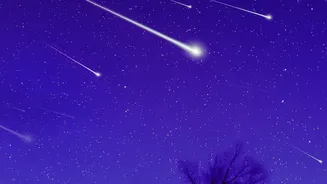
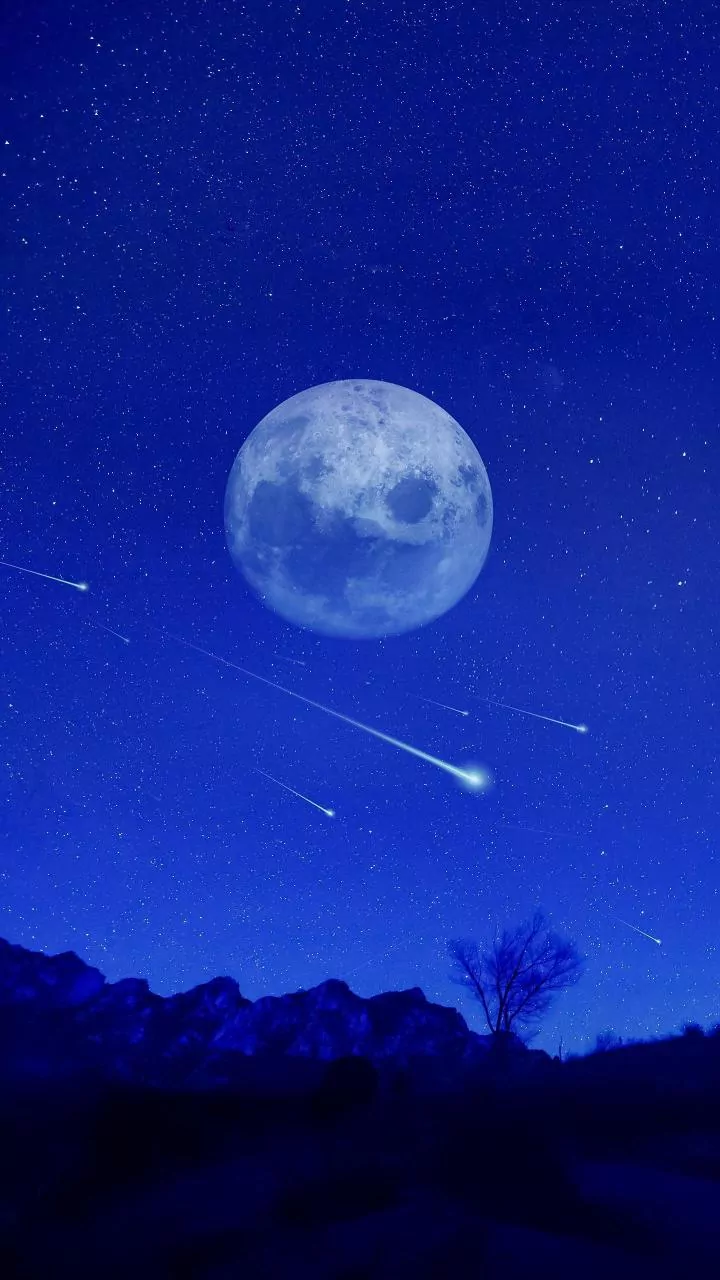
One of the most anticipated events of the month is the Leonid meteor shower, which peaks on the night of November 17-18. This shower is known for producing very fast and bright meteors, some of which can leave persistent, glowing trails. Caused by debris from Comet Tempel-Tuttle, the Leonids will radiate from the constellation Leo. For viewers in India, the best time to watch will be from around 2:00 AM IST on November 18 until dawn. The moon, a waxing crescent, will set early in the evening, ensuring dark skies for the peak activity. Expect to see around 10 to 15 meteors per hour from a dark location.
The Beaver Moon: A Dazzling Supermoon
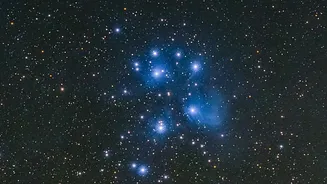
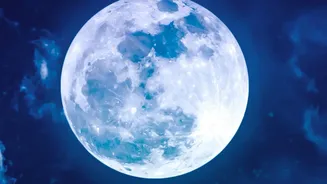
November’s Full Moon, known as the Beaver Moon, arrives on November 24. This year, it is also a Supermoon, meaning it will appear slightly larger and brighter than an average full moon because its orbit brings it closer to Earth. The moon will reach peak illumination at 8:23 PM IST. This is a perfect evening viewing opportunity across India. On the same night, the bright moon will also make a close pass by the beautiful Pleiades star cluster, offering a stunning sight for both naked-eye observers and photographers.
Saturn and Uranus in the Evening
Saturn, having been at its best in October, remains a fantastic object for evening viewing throughout November. Look for it high in the sky after sunset. While its famous rings require a telescope, its steady, yellowish light is easily visible to the naked eye. For those with a telescope, November also presents the best opportunity of the year to spot the ice giant Uranus. It reaches opposition on November 25, meaning it will be visible all night long. Look for it in the constellation Taurus as a tiny blue-green dot. The best time to view it is around midnight when it's at its highest point in the sky.