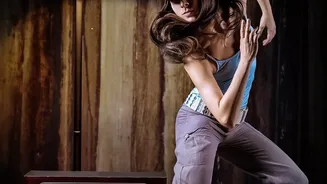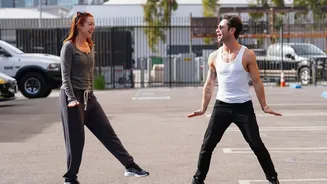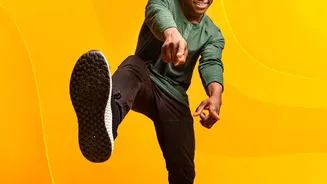


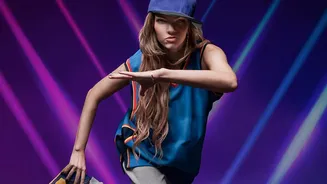
Embrace the Spirit of 'Freestyle'
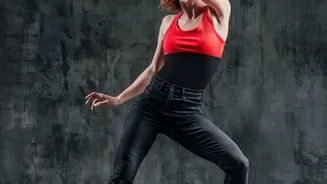
First, let's redefine what 'freestyle' means. It isn't a secret language of complex moves you are expected to know. Freestyle dance, also known as improvisation, is about spontaneous, unplanned movement. The goal isn't to replicate a routine you saw online;
it's to express yourself and connect with the music in a way that feels natural to you. Unlike structured choreography, freestyle has no right or wrong answers. It’s about letting go of the pressure to perform and instead focusing on how the movement feels. The 'workout' part comes naturally from staying active and engaged, not from executing flawless technique.
Overcoming the Beginner's Mindset
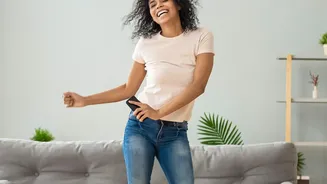
The biggest hurdle for most aspiring dancers isn't physical—it's mental. The fear of looking foolish or being judged is a powerful deterrent. Many beginners believe they can't freestyle because they don't have a library of 'tricks' or flashy moves. This is a myth. The first step is to give yourself permission to explore and even look silly. Try dancing in a private space where you feel completely comfortable, like your living room with the curtains closed. Avoid using a mirror at first; this can make you self-conscious and overly critical. The initial goal is to build confidence by getting comfortable moving your own body without external judgment. Remember, everyone feels awkward when they start. The dancers you admire were once beginners too.
From Steps to Sensations
Instead of worrying about specific steps, shift your focus to the music and your body. Put on a song you genuinely love—one that makes you want to move. Close your eyes and just listen for a moment. What do you hear? A strong drum beat? A flowing melody? A funky bassline? Start by responding to just one of those elements. You can begin with something as simple as a two-step, shifting your weight from side to side. Or maybe just a gentle bounce with your knees slightly bent. There is no need to overcomplicate things. Let your body react naturally. If the music makes you want to sway your hips, sway. If it makes you want to roll your shoulders, do that. The key is to connect movement to sound, building a foundation of rhythm before worrying about complex choreography.
Building Your Movement Vocabulary
While freestyle is about spontaneity, having a small 'vocabulary' of basic movements can help you feel more confident. Think of these not as a routine, but as foundational words you can use to form sentences. Practice a few simple, repeatable motions. Some easy ones to start with include: the step-touch (stepping to one side, then tapping the other foot next to it), gentle hip sways, simple arm waves, and shoulder rolls. Once you are comfortable with these individual movements, you can start combining them. For instance, try a step-touch while adding a shoulder roll. Don't worry about making it look polished. The act of practicing these basic moves will build your body awareness and coordination, making it easier to move freely when the music comes on.
Structuring a Pressure-Free Workout
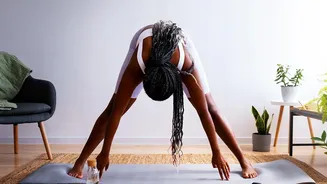
To turn this into a workout, create a loose structure for yourself. Start with a warm-up of light cardio and stretching to get your body ready and help prevent injury. Then, create a playlist that you love. Begin with a song that has a clear, steady beat to help you find your rhythm. Spend the first song just getting into the groove with your foundational movements. As you continue, challenge yourself to explore. Try moving at different levels—high, medium, and low—or moving in different directions. The most important part is to stay moving and have fun. End your session with a slower song for a cool-down and some final stretches. The consistency of this practice is what delivers both physical and mental benefits, improving your fitness and boosting your confidence along the way.