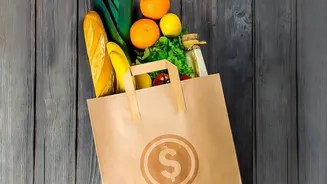







The Price of the Journey
Before a shiny capsicum or a firm potato reaches the supermarket shelf, it has been on a long journey. This journey involves transport, multiple middlemen, cold storage, and packaging. Each step adds to the final cost, but not necessarily to the quality.
Produce that travels long distances is often picked before it's fully ripe to ensure it survives the trip. This premature harvesting means it may not develop its full flavour and nutritional potential compared to produce that ripens on the vine. The complex supply chain in India, with multiple handlers and storage challenges, can also lead to price volatility and significant food waste, factors that are indirectly passed on to the consumer.
Seasonality: Nature’s True Discount
One of the most significant factors you can control is seasonality. Buying fruits and vegetables that are in season is almost always a better deal for your wallet and your health. Seasonal produce is abundant, which naturally drives down prices. More importantly, it is harvested at its peak, making it fresher, more flavourful, and packed with more nutrients. Studies have shown that seasonal foods can have significantly higher levels of vitamins and minerals. For example, the vitamin C content in produce can be much higher when it's harvested at the right time. Craving strawberries in winter means you're paying a premium for a product that has travelled thousands of miles, with a higher carbon footprint and lower nutritional value.
The Hidden Costs of 'Cheap' Food
The lowest price at the checkout doesn't always mean it's the cheapest option in the long run. Economists and food experts talk about 'True Cost Accounting', which considers the hidden costs, or 'externalities', of food production. These are the costs not reflected on the price tag but paid by society in other ways. This includes the environmental impact of intensive farming, such as water pollution from pesticide runoff and soil degradation. It also includes the public health costs associated with diets high in low-nutrient foods, which can contribute to long-term health issues. When you factor in the lower nutritional density of produce that has been in transit for a long time, the 'cost-per-nutrient' of that cheaper item might actually be higher.
Beyond the Supermarket Aisle
So, how can you shop smarter? Look beyond the supermarket. Local farmers' markets are fantastic places to start. Here, you can often buy produce that was picked that very morning, ensuring maximum freshness and nutritional value. You get to talk directly to the people who grow your food, ask them about their farming practices, and even get cooking tips. Supporting local farmers also strengthens your community's economy. Another growing trend in India is Community Supported Agriculture (CSA). In a CSA model, you subscribe to a local farm and receive a regular box of seasonal produce. This gives farmers financial stability and connects consumers directly to the source of their food, fostering a relationship built on trust and shared benefits.