


The Ultimate Off-Road Frontier
A winter expedition in Spiti is not a typical road trip; it's a test of skill, preparation, and endurance. With temperatures plummeting to -30°C at night, frozen rivers, and roads blanketed in snow, this journey is reserved for the well-prepared. The
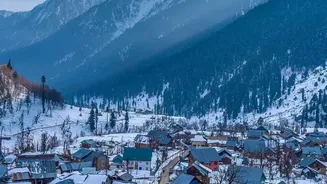
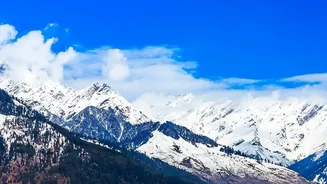
Manali-Kaza road via Kunzum Pass is completely shut during winter, making the route from Shimla the only way in and out. This single artery, while maintained, is prone to temporary closures from heavy snowfall or black ice, demanding flexibility and respect for the mountain's conditions. The reward is unparalleled: pristine landscapes, profound solitude, and the thrill of navigating one of the world's most dramatic cold deserts.
The Sole Winter Route: Shimla to Kaza
The journey begins from Shimla, climbing gradually through the Kinnaur valley. This slow ascent is crucial for acclimatization to the high altitude, which rises from around 2,200 metres in Shimla to over 3,650 metres in Kaza. The drive along National Highway 5 takes you through Narkanda, Rampur, and into the stunning Sangla Valley. Key points of interest and challenge along the way include Chitkul, India's last inhabited village near the Indo-Tibetan border, and the treacherous stretches around Nako, which are notorious for black ice. The route continues past the confluence of the Spiti and Sutlej rivers at Khab, before reaching Tabo, home to an ancient monastery. From Tabo, the final leg takes you to Kaza, the administrative heart of Spiti and your base for exploring the surrounding high-altitude villages.
Exploring Around Kaza
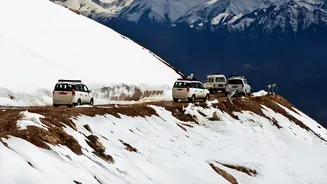
Once in Kaza, several iconic destinations become accessible, offering some of the most scenic and challenging winter drives. A popular circuit includes the villages of Langza, Hikkim, and Komic. Hikkim is famous for having the world's highest post office, and Komic is one of the highest motorable villages. Another essential drive is to the Key Monastery, a stunning spiritual centre perched on a hilltop, and onwards to the Chicham Bridge, Asia's highest suspension bridge, which connects to the village of Kibber. These routes are often covered in snow, requiring confident 4x4 handling and the use of snow chains. While Pin Valley is a major attraction, its accessibility in deep winter can be uncertain and roads are often closed.
Preparing Your 4x4 for the Extremes
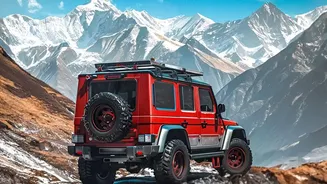
Your vehicle is your lifeline in Winter Spiti. A capable 4x4 with high ground clearance is non-negotiable. Preparation is key. Ensure your vehicle has been fully serviced, with special attention to brakes, coolant, and battery. For diesel engines, using an anti-freeze additive is crucial to prevent the fuel from waxing in sub-zero temperatures. All-terrain or snow tires are a must, and carrying a set of snow chains is essential for icy patches. Other vital equipment includes a tow rope, a shovel, an air compressor, a puncture repair kit, and extra fuel cans, as filling stations are scarce. Traveling in a convoy with at least one other vehicle is highly recommended for safety and support.
Acclimatization and Personal Safety
The human body needs as much preparation as the vehicle. Acute Mountain Sickness (AMS) is a serious risk due to the high altitude. The gradual ascent via the Shimla route helps, but it's vital to stay hydrated, avoid overexertion, and allow for rest days. Essential personal gear includes multiple layers of thermal clothing, insulated and waterproof outerwear, heavy-duty winter boots, sunglasses to protect against snow glare, and sunscreen. Communication is another challenge, as mobile networks are largely non-existent. Carrying a satellite phone for emergencies is a wise precaution, and many guided expeditions include one as part of their safety protocol. Finally, Indian nationals do not require any special permits, but must carry a valid photo ID for registration at checkposts.