
A New Generation of Grains
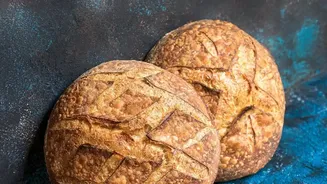
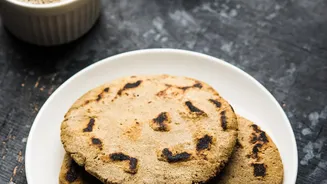
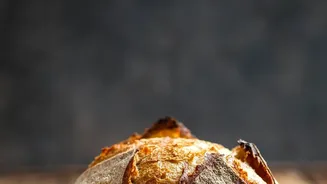
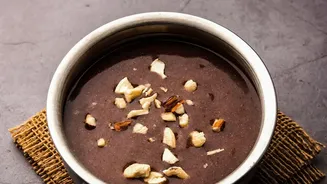
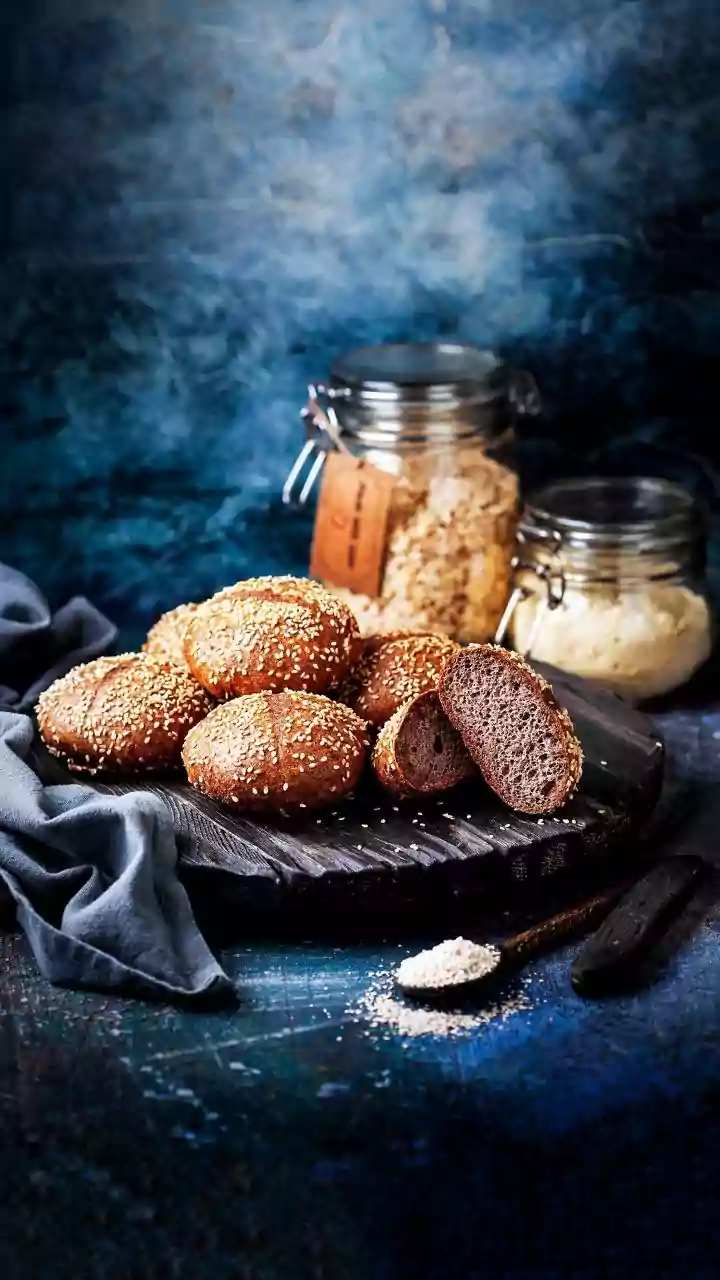
Step into a modern Indian bakery, and you might find more than just the usual maida-based treats. Alongside classic croissants and puffs, there are now ragi chocolate chunk cookies and jowar sourdough breads. Ragi (finger millet) and jowar (sorghum) are ancient
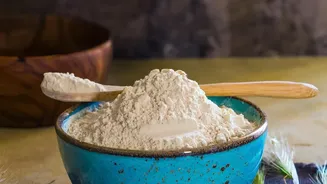
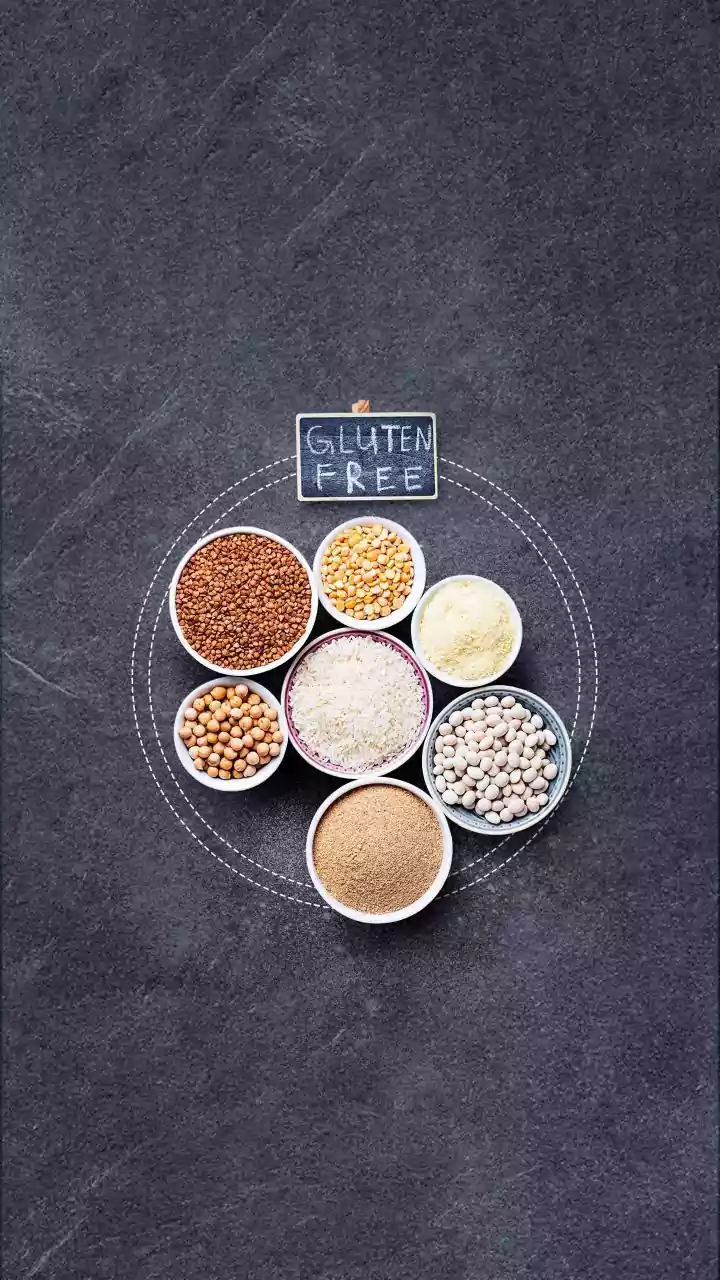
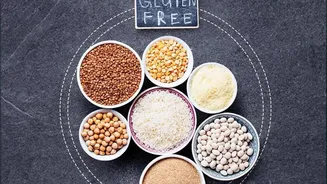
Indian staples that are experiencing a powerful resurgence. For generations, they were core to regional diets, but were sidelined by wheat and rice during the Green Revolution. Today, a new generation of health-conscious consumers is rediscovering these grains. Ragi is a powerhouse of calcium, while jowar is packed with protein and antioxidants. Both are naturally gluten-free and high in dietary fibre, which helps in managing blood sugar and weight. This impressive nutritional profile is driving their comeback, moving them from rustic kitchens into the heart of urban bakeries.
The Baker's Creative Challenge
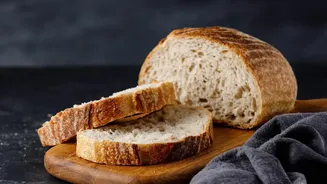
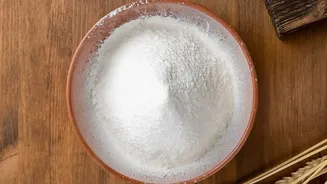
Baking with millets isn't a simple swap for wheat flour. Since ragi and jowar are gluten-free, they behave very differently. Gluten provides the structure and elasticity that makes traditional breads and cakes light and airy. Without it, bakes can turn out dense, dry, or crumbly. This has pushed bakers to innovate. Many have found success by creating blends, mixing millet flours with whole wheat, oat, or almond flour to achieve the perfect texture. Others use natural binding agents like flaxseed, yogurt, or mashed bananas to add moisture and hold the batter together. The result is a whole new category of treats: moist ragi banana bread, crispy jowar crackers, and flavourful millet muffins that offer a unique, nutty taste and a delightfully wholesome texture.
Forging a Path from Farm to Flour
The most significant part of this trend is the direct line it draws between urban consumers and rural producers. As demand for millet-based products grows, bakeries are becoming crucial links in a new, more equitable supply chain. Many are consciously sourcing their flour from farmer producer organisations (FPOs) and local mills that work directly with smallholder farmers. This relationship is transformative for farmers who have traditionally grown these hardy grains. Millets are climate-resilient crops, requiring significantly less water and chemical inputs than rice or wheat. They can thrive in arid conditions and poor soil, making them a lifeline for farmers in drought-prone regions. By creating a steady, urban market for these grains, bakeries provide farmers with a more stable and often better income, reducing their dependence on unpredictable cash crops.
A Cycle of Sustainable Growth
This movement is more than just a passing food trend; it represents a powerful cycle of cultural and economic revival. The push, which gained significant momentum during the UN-designated International Year of Millets in 2023, has encouraged a renewed sense of pride in India's agricultural heritage. For farmers, growing millets is not just economically sensible but also environmentally sustainable, as it improves soil health and conserves water. For consumers, choosing a ragi brownie is a small act with a large impact. It's a vote for healthier eating, for culinary innovation, and for the livelihoods of the farmers who grow these incredible grains. The baker acts as the crucial bridge, transforming a climate-smart crop into a desirable, modern treat.