







Mint: The Resilient Favourite
If you're looking for a nearly fail-proof herb, look no further than mint, or pudina. Famous for its vigorous growth, mint adapts exceptionally well to indoor containers and is one of the most forgiving plants for low-light situations. It thrives in bright,
indirect light and can even tolerate partial shade. In fact, keeping it contained on a windowsill is the perfect way to prevent its notoriously invasive spread in a garden. For Indian kitchens, this means a fresh supply for chutneys, raitas, and refreshing summer drinks is always at hand. To care for it, keep the soil consistently moist but ensure the pot has good drainage to prevent root rot. Regularly snipping the top leaves will encourage a bushier, more compact plant, giving you a continuous harvest.
Parsley: The Versatile Garnish
Whether you prefer the flat-leaf Italian variety or the frilly curly type, parsley is a culinary workhorse that performs surprisingly well without hours of direct sun. While it's happiest with a good amount of light, it can tolerate partial shade, making it a reliable choice for a less-than-sunny spot. Indoors, it may grow a bit less robustly than its outdoor counterparts, but the flavour remains bright and fresh. This makes it perfect for garnishing dals, flavouring soups, or adding a fresh kick to salads. Parsley appreciates rich, moist soil and a deep pot to accommodate its long taproot. Water it regularly, whenever the top inch of soil feels dry, and you'll have a steady supply of this vitamin-rich herb.
Chives: The Subtle Onion Note
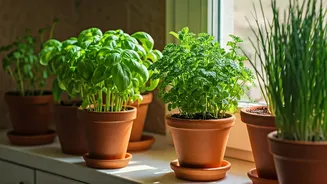
Chives are an excellent choice for beginner gardeners and low-light conditions. Their slender, grass-like leaves deliver a mild onion flavour that's perfect for seasoning eggs, dals, soups, and potatoes without overwhelming the dish. Chives are part of the onion family and are known for being quite hardy. They can grow happily in a pot on your windowsill with as little as four to six hours of indirect light. While more light is always better, they are forgiving of shadier spots, though their growth might be slower. For best results, use a well-draining potting mix and allow the soil surface to dry out slightly between waterings. Harvest by snipping the leaves close to the base, which encourages the plant to keep producing new shoots.
Lemon Balm: The Aromatic Tea Herb
A member of the mint family, lemon balm shares its relative's tolerance for less-than-ideal light. It thrives in moderate, indirect sunlight and is a perfect candidate for a kitchen windowsill where you want to add a touch of fresh, citrusy fragrance. The leaves release a pleasant lemony scent when bruised and can be used to make a calming herbal tea or to add a unique flavour to salads, desserts, and fish dishes. It's a fast-growing herb, so regular trimming is encouraged to keep it from getting leggy and to promote a fuller shape. Like mint, it prefers consistently moist soil but needs good drainage to stay healthy. This easy-going nature makes it a delightful and practical addition to any indoor herb collection.