






What Does 'Rupee Pressure' Really Mean?
In simple terms, 'rupee pressure' or 'depreciation' means the rupee is getting weaker against other major world currencies, especially the US dollar. Think of it like a see-saw. When the dollar goes up in value, the rupee often goes down. This means you
need more rupees to buy a single US dollar. For instance, if the exchange rate moves from ₹90 to ₹95 for one dollar, your purchasing power abroad has shrunk. That $100 item that once cost ₹9,000 now costs ₹9,500. While the numbers change daily, the core concept remains the same: a weaker rupee makes anything priced in foreign currency more expensive for us in India.
The Main Culprits: Oil, Interest Rates, and Global Mood
Several powerful forces are pushing and pulling the rupee. A major factor is the price of crude oil. India imports over 85% of its oil, and these purchases are paid for in US dollars. When global oil prices rise, India has to buy more dollars, which increases demand for the dollar and weakens the rupee. Another key driver is interest rates. When the US central bank (the Federal Reserve) raises its interest rates, global investors are often tempted to pull their money out of emerging markets like India and invest it in the US for safer, higher returns. This outflow of capital puts downward pressure on the rupee. Geopolitical tensions and global economic uncertainty also play a big role, as investors flock to the 'safe-haven' status of the US dollar during turbulent times.
How It Hits Your Foreign Travel and Shopping
This is where global economics gets personal. When you plan a holiday to Europe or the US, every part of your budget is affected. Your flight tickets, often priced in dollars or euros, will cost more in rupee terms. Hotel bookings, meals, and sightseeing expenses all become pricier. Similarly, that new smartphone, laptop, or designer handbag you've been eyeing from an international brand will have a higher price tag. This is because the company importing these goods has to pay more rupees to acquire the dollars needed for the transaction, and that extra cost is usually passed on to the consumer. Even online subscriptions to foreign services or software can see a price hike.
The Big Bill for Students and Borrowers
For Indian students planning to study abroad, a weak rupee can be a major financial headache. Tuition fees set in dollars, pounds, or euros will require significantly more rupees. Living expenses, from rent to groceries, also swell, stretching student budgets thin. An education loan taken in rupees may suddenly feel insufficient. The impact extends to businesses as well. Indian companies that have taken out loans in foreign currency find themselves in a tough spot. When it's time to repay the interest or principal, they need more rupees to buy the required dollars, which can strain their finances and profitability.
Is There Any Upside to a Weaker Rupee?
Surprisingly, yes. A weaker rupee isn't bad news for everyone. Indian exporters, particularly in the IT and pharmaceutical sectors, benefit greatly. When they earn revenue in dollars, they get more rupees for every dollar brought back into the country. This boosts their profits and makes Indian goods and services more competitive on the global market. Likewise, a weaker rupee is good for those who receive remittances from family members working abroad. The dollars or dirhams they send home translate into a larger sum in rupees, increasing the family's disposable income.
The RBI’s Balancing Act
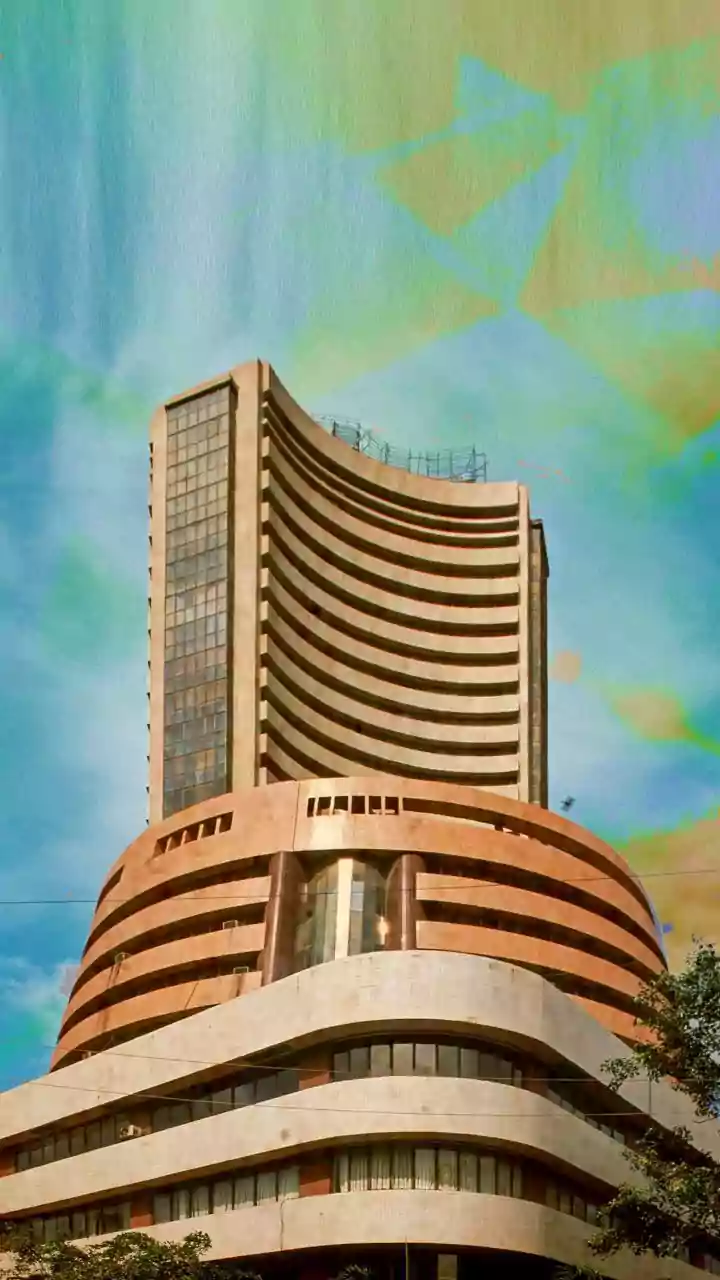
The Reserve Bank of India (RBI) doesn't just stand by and watch. It often intervenes in the currency market to manage extreme volatility. The RBI can sell some of its vast US dollar reserves to increase the supply of dollars in the market, which helps to cushion the rupee's fall. Recent reports in August 2026 show the RBI has been actively intervening to prevent the rupee from weakening too sharply. However, these measures are typically aimed at smoothing out volatility rather than dictating a specific exchange rate, as the underlying structural pressures often persist.