


The Basics: What Are El Niño and La Niña?
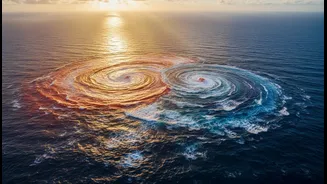
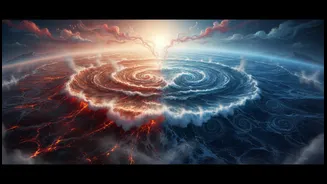
El Niño and La Niña are two opposite phases of a complex climate cycle called the El Niño-Southern Oscillation (ENSO). At its heart, ENSO involves periodic shifts in sea surface temperatures in the central and eastern equatorial Pacific Ocean. During
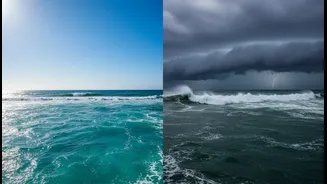
an El Niño event, which means 'the little boy' in Spanish, these waters become unusually warm. Conversely, during a La Niña ('the little girl') event, the same patch of ocean becomes unusually cool. These temperature changes might seem distant, but they are powerful enough to disrupt atmospheric circulation and weather patterns across the globe, including India's crucial monsoon.
El Niño's Shadow Over the Monsoon
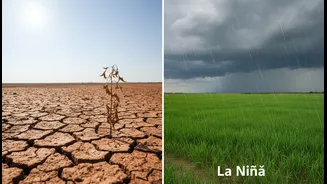
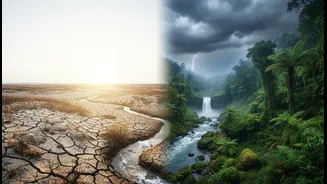
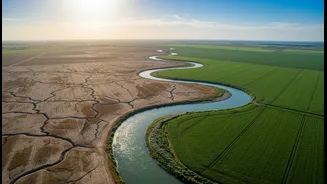
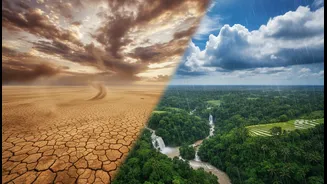
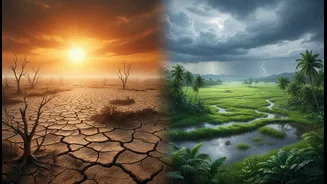
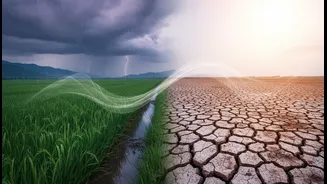
Historically, El Niño has been bad news for India. The warming of the Pacific Ocean alters global wind patterns, weakening the trade winds that are connected to the moisture-laden monsoon winds over India. This disruption often suppresses monsoon rainfall, leading to drier conditions and, in severe cases, widespread droughts. A significant number of India's drought years over the past several decades have coincided with El Niño events. This reduction in rainfall poses a major threat to India's agriculture, which is heavily dependent on the monsoon, affecting crop yields, water reservoirs, and overall economic stability.
La Niña: The Monsoon's Booster
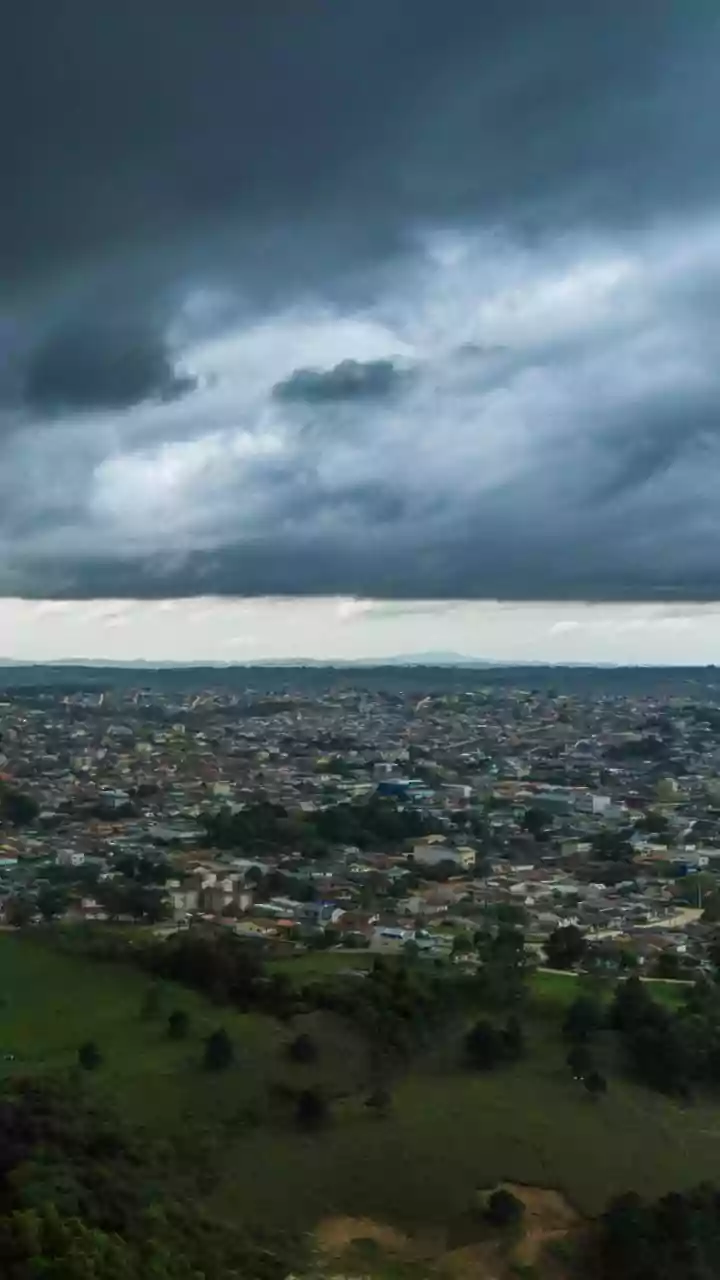
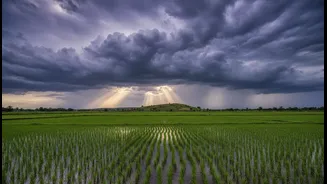
If El Niño is the villain of the monsoon story, La Niña is often the hero. The cooling of the eastern Pacific during a La Niña event typically has the opposite effect. It tends to strengthen the normal atmospheric circulation patterns that favour a healthy monsoon. As a result, La Niña years are often associated with normal or above-normal rainfall across India. While this is generally beneficial for agriculture, particularly for rain-fed crops, it's not without risks. An exceptionally strong La Niña can lead to excessive rainfall, causing devastating floods in some parts of the country.
Beyond the Pacific: Other Key Players
While El Niño and La Niña are major drivers, they aren't the only forces at play. The Indian Ocean has its own version of this phenomenon called the Indian Ocean Dipole (IOD), which relates to temperature differences between the western and eastern parts of the ocean. A 'positive' IOD, with warmer waters in the western Indian Ocean, can bring more moisture towards India and potentially offset some of El Niño's negative impact, acting as a possible lifeline. A 'negative' IOD does the opposite. This means the relationship isn't always straightforward; a strong El Niño doesn't automatically guarantee a drought, and other factors can moderate its influence.
The Real-World Impact on India
The stakes of these climate cycles are incredibly high for India. A weak, El Niño-affected monsoon can lead to lower crop production, driving up food prices and impacting the livelihoods of millions of farmers who depend on rain-fed agriculture. It puts pressure on water resources for drinking, sanitation, and industry. Conversely, a strong La Niña-powered monsoon, while boosting crop output, requires robust management to control floods and prevent waterlogging that can also destroy crops. Understanding and forecasting these patterns is therefore critical for India's policy makers to prepare for everything from agricultural strategies and water management to disaster response.