



Why Your Dal Tadka Costs More
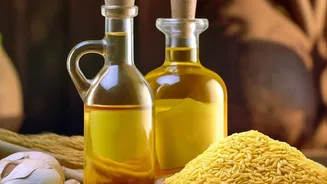
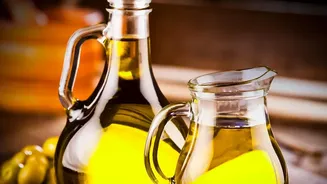
The primary reason for the price surge is India's heavy reliance on imports. The country buys nearly two-thirds of its edible oil from abroad, mainly palm, soybean, and sunflower oils. This makes domestic prices highly sensitive to global events, such
as weather disruptions in major producing countries like Malaysia and Indonesia, international shipping costs, and geopolitical tensions. While the Indian government is considering measures like cutting import duties to provide relief, the changes at the retail level can be slow to materialise. This is happening just as the festive season approaches, a time when oil consumption for making sweets and snacks traditionally goes up.
The Oils Feeling the Most Heat
Virtually no cooking oil has been spared, but some have seen sharper increases than others. Palm oil, a staple for many households and food manufacturers, has been volatile. Similarly, prices for soybean and mustard oil have also climbed significantly over the past year. These are not just numbers on a commodity exchange; they translate directly into higher monthly grocery bills for millions. For many families, this means difficult decisions: spend more, cut back on consumption, or switch to a more affordable, sometimes lower-quality, alternative. The pinch is felt most by lower and middle-income families, where the food budget is already stretched thin.
The Kitchen's Smart Pivot: Less is More
Faced with rising costs, many home cooks are rediscovering an old truth: Indian food's flavour comes from spices and technique, not necessarily the quantity of oil. Smart adaptation is key. One popular method is 'water sautéing,' where onions, ginger, and garlic are softened in a few tablespoons of water instead of oil. As the water evaporates, the aromatics brown nicely, creating a flavourful base for any curry or dal. Dry roasting whole spices before grinding them also intensifies their flavour, meaning you need less fat to carry their taste. These small shifts can significantly reduce the amount of oil used in a dish without sacrificing its essence.
Embracing Healthier Cooking Methods
The price crunch is also accelerating a shift towards cooking methods that inherently use less or no oil. Appliances like air fryers are becoming heroes for making traditionally deep-fried snacks like samosas, pakoras, and tikkis with just a fraction of the oil. The result is a snack that is crispy on the outside and tender on the inside, with up to 80% less fat. Beyond modern gadgets, traditional techniques are making a comeback. Steaming (for dhokla, idli, or fish), pressure cooking (for dals and legumes), and grilling are all excellent zero-oil or low-oil methods that preserve both nutrients and flavour. These techniques not only save money but also align with growing health consciousness.
Smarter Shopping and Meal Planning
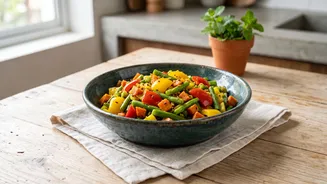
Adapting to higher prices also involves changing how we shop. While buying in bulk can sometimes be cheaper, it's crucial to compare unit prices effectively. Recent government rules standardising pack sizes aim to make these comparisons easier for consumers. Planning meals for the week around less oil-intensive dishes can also make a big difference. Think about incorporating more steamed vegetables, boiled dals, and roasted mains into your weekly rotation. Simple dishes like a one-pot masoor dal, cooked in a pressure cooker with all the spices, require no pre-sautéing and therefore, no oil at all. It’s about working smarter, not harder, to keep your kitchen budget in check.