





Your Rights Under the DGCA Passenger Charter
In India, passenger rights are not just airline policy; they are legally binding regulations enforced by the Directorate General of Civil Aviation (DGCA). The key document is the Civil Aviation Requirement (CAR), Section 3, Series M, Part IV, which covers
everything from delays to cancellations and denied boarding. These rules apply to all scheduled flights operating to, from, or within India, regardless of the airline's nationality. They are designed to ensure passengers are not left stranded or out of pocket due to disruptions within an airline's control. Understanding these foundational rules is the first step to ensuring you receive what you are owed.
When the Airline Cancels Your Flight
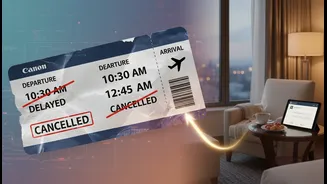
If an airline cancels your flight, your entitlements depend entirely on how much notice you were given. If the airline informs you more than two weeks before departure, it must offer you the choice of an alternate flight or a full refund. If the notice is between two weeks and 24 hours, the airline should provide an alternative flight. The real entitlements kick in when the cancellation is announced with less than 24 hours' notice. In this scenario, you are entitled to a full refund or an alternate flight, plus monetary compensation. This compensation can range from ₹5,000 to ₹10,000, depending on the block time of the original flight. If you are already at the airport when the cancellation happens, the airline must also provide you with meals and refreshments while you wait for your alternate arrangements.
Dealing With Significant Flight Delays
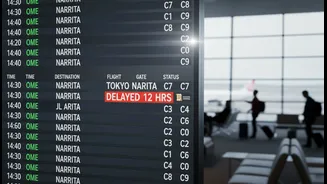
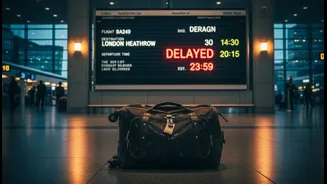
While flight delays do not typically entitle you to cash compensation in India, airlines have a 'duty of care'. For delays expected to last two hours or more, airlines must provide you with free meals and refreshments. If the delay extends further, your rights increase. For domestic flights delayed by more than six hours, the airline must offer you the option of a full refund or an alternate flight. For overnight delays, specifically those lasting more than six hours and falling between 8 p.m. and 3 a.m., the airline is obligated to provide hotel accommodation and transfers between the airport and the hotel. These care obligations apply even if the delay is caused by factors outside the airline's control.
The 'Extraordinary Circumstances' Exception
Airlines are exempt from paying monetary compensation for delays and cancellations caused by 'extraordinary circumstances'. These are events beyond the airline's control, such as severe weather, political instability, security risks, or air traffic control restrictions. However, this exception only applies to cash compensation. The airline's duty of care remains. Even in a force majeure event, you are still entitled to a choice between a full refund or being re-routed on an alternative flight. If you're at the airport, the airline must still provide meals and, if necessary, accommodation.
How to Claim Your Refund and Compensation
Always start by contacting the airline directly through their customer service desk, website, or app. Keep all your documents, including your ticket, boarding pass (even if unused), and any communication from the airline about the disruption. When requesting a refund, be clear that you want it processed to your original mode of payment; you are not obligated to accept a travel voucher or credit shell. The DGCA has set clear timelines for refunds: within 7 days for credit card payments and within 14 working days for bookings made via travel agents. If the airline fails to respond or resolve your issue satisfactorily, you can escalate your complaint through the government's AirSewa portal or app. For unresolved financial claims, you can also approach a consumer dispute redressal commission.