







The Spiritual Heart of Sawan
Sawan, or Shravan, is the fifth month of the Hindu lunar calendar, typically falling between July and August. For 2026, it begins around July 30 and concludes on August 28 for North India, with dates varying slightly in other regions. The entire month is dedicated
to Lord Shiva, with Mondays (Sawan Somvar) being especially auspicious for fasting and prayers. The tradition is rooted in the ancient legend of the Samudra Manthan, or the churning of the cosmic ocean. During this event, a deadly poison called Halahala emerged, threatening all of creation. Lord Shiva consumed the poison to save the universe, and his throat turned blue, earning him the name Neelkantha. To soothe the poison's burning effect, devotees symbolically offer water, and many adopt a simple, pure diet as a mark of respect and devotion.
The Ayurvedic Wisdom Behind the Diet
The Sawan diet is not just about religious observance; it is also deeply aligned with Ayurvedic principles. The monsoon season is a time when, according to Ayurveda, our digestive fire (agni) is weaker and our overall immunity is lower. Heavy, rich, and non-vegetarian foods are harder for the body to process during this time. A 'Sattvik' diet—comprising light, fresh, and easily digestible foods—helps keep the body balanced and prevents digestive distress. Furthermore, the risk of water-borne diseases increases during the rains. Historically, avoiding meat and certain other foods was a practical way to reduce the chances of infection, as the breeding season for fish and other animals coincides with this period. Abstaining from meat was also a way to avoid harming living creatures during their reproductive cycle.
Building Your Vrat Pantry
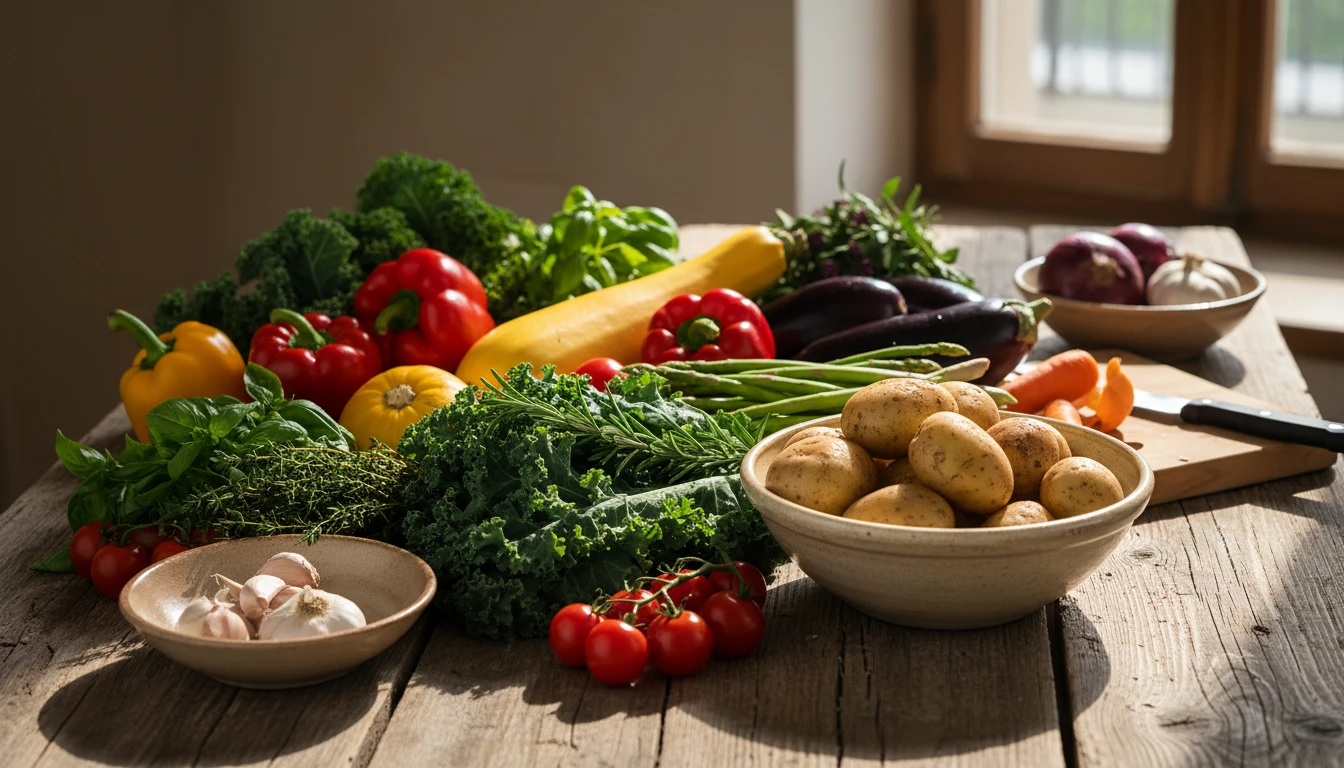
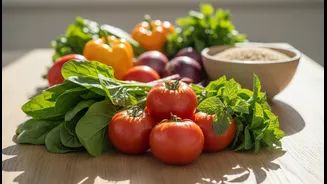
Observing the Sawan fast doesn't mean eating bland food. It’s about swapping regular ingredients for a special set of 'vrat' or fasting-friendly alternatives. The first rule is to replace regular table salt with sendha namak (rock salt). Onions and garlic, considered 'tamasic' or heat-inducing, are also set aside. The Sawan pantry is built around specific flours like kuttu (buckwheat), singhara (water chestnut), and rajgira (amaranth). Sabudana (tapioca pearls) and samak rice (barnyard millet) become the go-to substitutes for regular rice and grains. For vegetables, staples include potatoes, sweet potatoes, lauki (bottle gourd), pumpkin, and arbi (colocasia). Dairy products like milk, curd, and paneer are central to the diet, providing protein and energy.
Classic Comforts for a Rainy Day
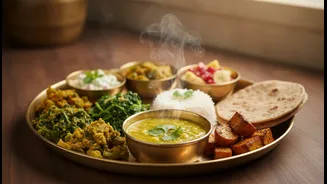
The sound of rain is often accompanied by the sizzle of classic Sawan dishes. Sabudana Khichdi is perhaps the most iconic, a delightful preparation of soaked tapioca pearls sautéed with potatoes, roasted peanuts, and mild spices. It’s light yet incredibly filling. Another beloved combination is Kuttu ki Puri served with a simple, comforting curry of Dahi Wale Aloo. The crisp, earthy puris made from buckwheat flour are a perfect match for the tangy, yogurt-based potato curry seasoned with cumin and green chillies. For those with a sweet tooth, Makhana Kheer offers a guilt-free indulgence. Roasted fox nuts are simmered in milk until creamy and flavoured with cardamom and dry fruits, creating a dessert that is both nourishing and delicious.
Modern Twists on Fasting Favourites
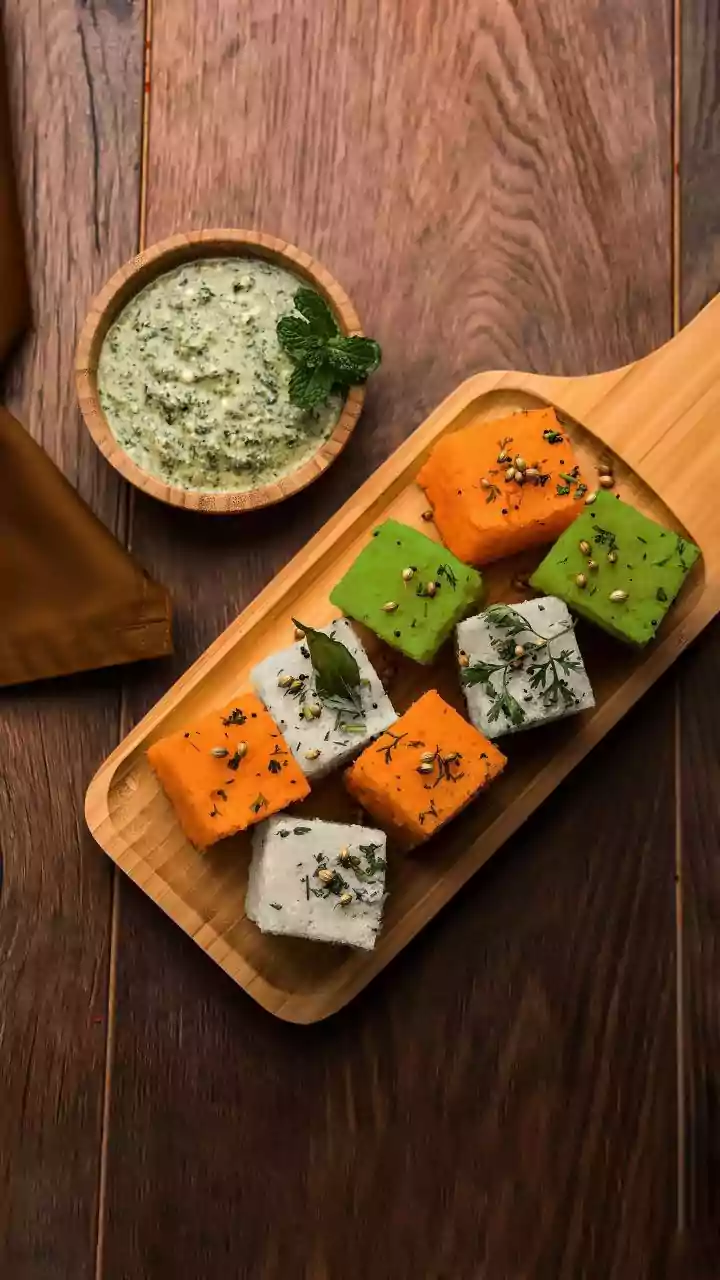
While traditions are cherished, there's always room for innovation in the fasting kitchen. If you're tired of the usual fare, try making Kabab-e-Kela. These are savoury patties made from steamed and mashed raw bananas, mixed with vrat-friendly flours and spices, then shallow-fried until crisp. Another creative option is a Vratwale Paneer Roll, where a spiced mixture of grated paneer and potatoes is shaped and pan-fried for a quick and protein-packed snack. For a South Indian touch, a Farali Dosa can be made using a batter of samak rice and rajgira flour, served with a simple peanut chutney. Even a simple fruit chaat, tossed with a pinch of rock salt and lemon juice, can be a refreshing and energising meal on a fasting day.