









The Technology Behind the Deception
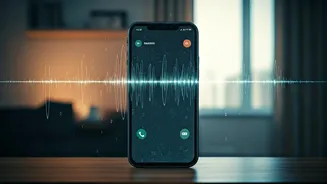
This terrifyingly convincing scam is powered by artificial intelligence, specifically voice-cloning technology. What once required sophisticated studio equipment now needs only a few seconds of a person's voice to create a digital replica. Scammers can
find these audio snippets easily. A short clip from a video posted on social media, a birthday message shared on a family WhatsApp group, or even a public voicemail greeting can provide more than enough material for the AI to learn the unique pitch, tone, and rhythm of your child’s voice. Once they have this voice clone, they can make it say anything they type into a program, creating a script designed to cause maximum panic.
Anatomy of the Scam Call
The scam almost always follows a predictable pattern designed to exploit your emotions and override your logical thinking. First, you hear the cloned voice of your loved one in distress—they might claim they've been in a car accident, arrested, or even kidnapped. The audio clip is usually short and full of emotion to prevent you from asking probing questions. Then, a second person, the 'scammer', takes over the call. They create a sense of extreme urgency, demanding immediate payment through hard-to-trace methods like a wire transfer or gift cards, and will pressure you to stay on the line to prevent you from verifying the story. Their goal is to make you act on pure fear before you have a moment to question if the situation is real.
Defence 1: Establish a Family Safe Word
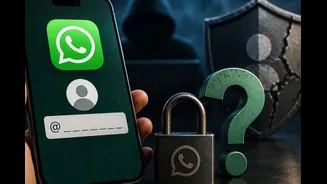
The single most effective tool against a voice-cloning scam is one that technology cannot break: a shared secret. Sit down with your family and agree on a unique 'safe word' or phrase that only you know. It should be something that a stranger could never guess from your social media profiles, like an inside joke or a random combination of words. Instruct every family member, including children, that if they ever receive a panicked call asking for money or help, their first step is to ask the caller for the safe word. A real family member will know it instantly. A scammer will be stumped, revealing the fraud immediately. This simple habit shifts the power back into your hands.
Defence 2: Hang Up and Verify Independently
Scammers rely on keeping you in a state of panic on their phone call. Your best defence is to break that connection. If you receive a distressing call, no matter how real it sounds, the first thing you should do is hang up. Then, take a deep breath and try to contact your loved one directly on their own phone number. If they don’t pick up, call another trusted family member or friend who might know where they are. Scammers will often use spoofed numbers to appear legitimate and will insist you stay on the line, claiming there is no time. Resisting this pressure and taking a moment to verify the story through a channel you trust is a crucial step in thwarting the scam.
Defence 3: Limit Your Digital Voice Footprint
In the digital age, our data is everywhere, and our voices are no exception. To make it harder for scammers, it is wise to manage your family's digital voice footprint. Be mindful of what you post publicly on social media platforms like Instagram, Facebook, and YouTube. Videos that clearly capture your children’s voices are potential source material for criminals. Consider making your social media accounts private, limiting the audience to only friends and family. Encourage your children to do the same. While it is impossible to erase your digital presence entirely, being conscious of the information you and your family share online can reduce the risk of your voices being captured and used maliciously.