







From Passive Pampering to Active Restoration
For decades, the pinnacle of a wellness vacation was a spa offering massages and facials. While still popular, a growing number of travellers feel that these traditional treatments only scratch the surface. The demands of an always-on, digitally saturated
life have created a level of exhaustion that a standard holiday can no longer resolve. This has fueled a significant shift from passive pampering to active, meaningful recovery. Travellers now want transformative experiences that offer lasting benefits, not just a fleeting sense of relaxation. The focus has moved toward regulating the nervous system and building emotional resilience, with hotels and retreats weaving practices like somatic therapy and mindfulness into their offerings to help guests achieve a true reset.
Temperature Therapy: The Power of Hot and Cold
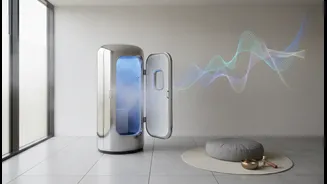
One of the most popular new frontiers in recovery is temperature therapy. Luxury hotels and wellness centers are increasingly installing facilities for cryotherapy, infrared saunas, and contrast baths. Cryotherapy, which involves short exposure to sub-zero temperatures, is sought after for its ability to reduce inflammation and boost energy. On the end of the spectrum, infrared saunas use light to create heat, promoting detoxification and relaxation. Many wellness programs now feature a “temperature circuit,” guiding guests through alternating hot and cold therapies to invigorate the body and deliver results-driven recovery that goes far beyond what a typical sauna can offer.
Sensory Resets: Sound, Light, and Floating
Addressing mental fatigue is a huge priority for modern travellers, and sensory-based treatments are proving to be powerful tools. Sound healing, once considered an alternative practice, has entered the luxury space with floating sound baths and frequency-based spa treatments becoming common. These sessions use instruments like gongs and singing bowls to create vibrations that can induce profound states of calm. Similarly, flotation tanks, also known as sensory deprivation tanks, offer a unique escape by removing external stimuli, allowing the mind and body to enter a deep state of relaxation. These experiences are designed to soothe an overstimulated nervous system, helping to reduce stress and improve mental clarity.
The Rise of Breathwork
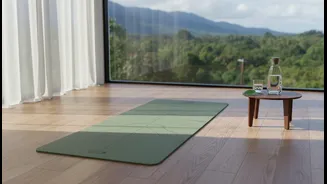
Perhaps one of the most accessible yet profound recovery tools gaining traction is conscious breathing. Breathwork retreats are becoming a major trend, with programs designed to teach participants how to use their breath to manage stress, release emotional tension, and improve their overall well-being. Guided by trained facilitators, these sessions can range from gentle, calming exercises to more intense techniques. Hotels and resorts are incorporating breathwork into yoga classes, guided meditations, and dedicated workshops, recognizing its power to quickly regulate the nervous system and provide guests with a skill they can take home.
Nature as the Ultimate Healer
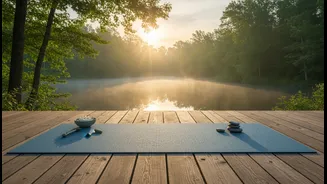
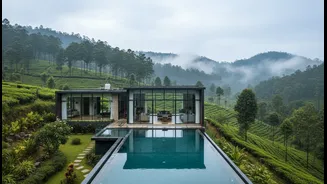
As screen fatigue becomes a universal complaint, travellers are seeking refuge in the natural world. This has led to a surge in nature-based wellness journeys that go beyond a simple hike. Practices like forest bathing (shinrin-yoku), wild swimming, and even just walking barefoot on the earth are now central features of wellness itineraries. Studies show that time spent in nature can significantly reduce stress hormones and improve emotional stability. In response, retreats are being designed in remote, scenic locations where the landscape itself is a key component of the healing process, offering guests a chance to disconnect from technology and reconnect with themselves.