







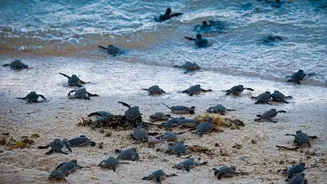
A Major Step for Conservation
In a significant push for marine conservation, Goa's Forest Department has forwarded a proposal to the Department of Environment and Climate Change to officially recognise a total of 24 beaches across the state as vital turtle nesting habitats under the Coastal
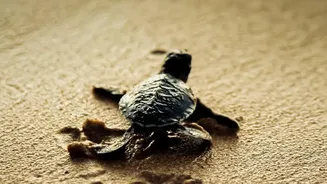
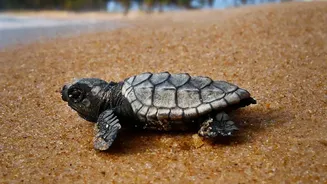
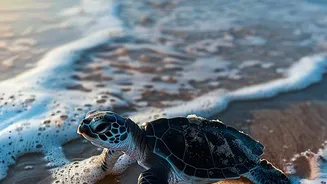
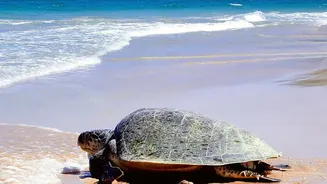
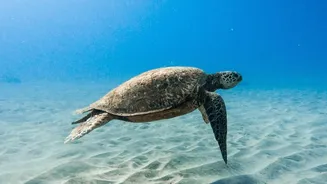
Regulation Zone (CRZ) Notification, 2019. This list includes ten popular and ecologically important beaches in North Goa. The primary focus is on protecting the Olive Ridley sea turtle, a species recognised as vulnerable that returns to these shores annually to lay its eggs. Currently, Goa officially has four notified nesting sites—Morjim and Mandrem in the North, and Agonda and Galgibaga in the South—but the new proposal seeks to dramatically expand this protected area.
What 'Protected' Status Means
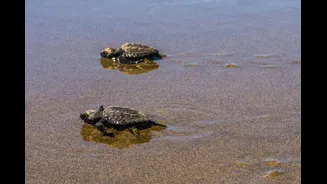
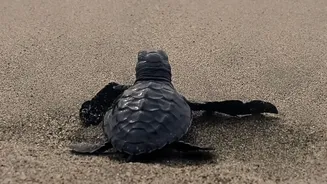
Designating these beaches as turtle nesting sites would classify them as CRZ-I, the most ecologically sensitive category. This status brings stricter regulations aimed at minimising human disturbance, especially during the crucial nesting season which typically runs from November to April. Potential restrictions could include tighter controls on artificial lighting, which disorients hatchlings, limitations on beach shacks and late-night events, and regulation of vehicle movement on the sand. The goal is to create a safer environment for nesting females and ensure that the tiny hatchlings can make their way to the sea unimpeded.
The Ten Proposed North Goa Beaches
The proposal specifically names ten beaches in the northern tourist belt, some of which are already known for sporadic nesting events. The list includes the well-established nesting site of Morjim, which is often called 'Turtle Beach'. Also included are its neighbours Mandrem, Ashvem, and Keri (Querim). Further south along the same coast, the hugely popular tourist hubs of Arambol, Vagator, Baga, Calangute, and Candolim are on the list, along with Miramar beach near Panaji. The inclusion of these commercial hotspots signals a major shift towards integrating conservation efforts directly with mainstream tourism.
Morjim and Mandrem: The Strongholds
Morjim and Mandrem are the traditional heartlands of turtle conservation in North Goa. For years, the Forest Department, with the help of local volunteers, has run hatcheries on these beaches to protect eggs from predators and human interference. The proposal to formalise and potentially expand protections here is a continuation of long-standing efforts. According to recent data, Morjim beach alone recorded 83 Olive Ridley nests in the last season, yielding thousands of eggs and hatchlings, highlighting its critical importance.
Calangute, Baga, Candolim: A New Frontier
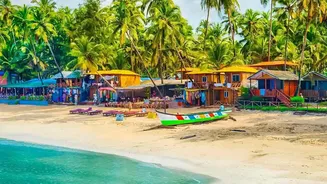
Perhaps the most surprising part of the proposal is the inclusion of the Calangute-Baga-Candolim belt. These beaches form the epicentre of Goa's tourism industry, packed with shacks, restaurants, and high footfall year-round. While occasional nesting has been reported here, formal protection would require a significant rethink of how activities are managed. The move is prompted by concerns over declining nesting numbers statewide in recent years and the belief that even busy beaches can serve as habitats if managed correctly.
The Balancing Act: Tourism and Conservation
The proposal has sparked a conversation among local stakeholders, particularly shack owners and traditional fishermen. While there is broad support for protecting the turtles, many are seeking clarity on what the new rules will mean for their livelihoods. Industry bodies have expressed concern that overly broad restrictions could impact the tourism economy. Officials have noted that the goal is not to stop tourism but to find a sustainable balance. The discussion highlights the central challenge for Goa: how to preserve its unique ecological heritage while supporting the economy that depends on its beautiful coastline.