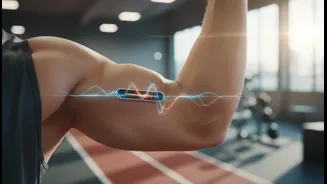









What is a Continuous Glucose Monitor?
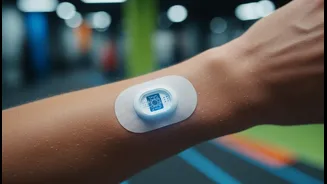
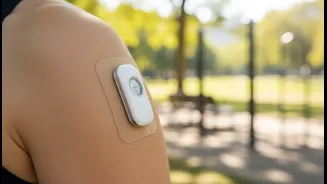
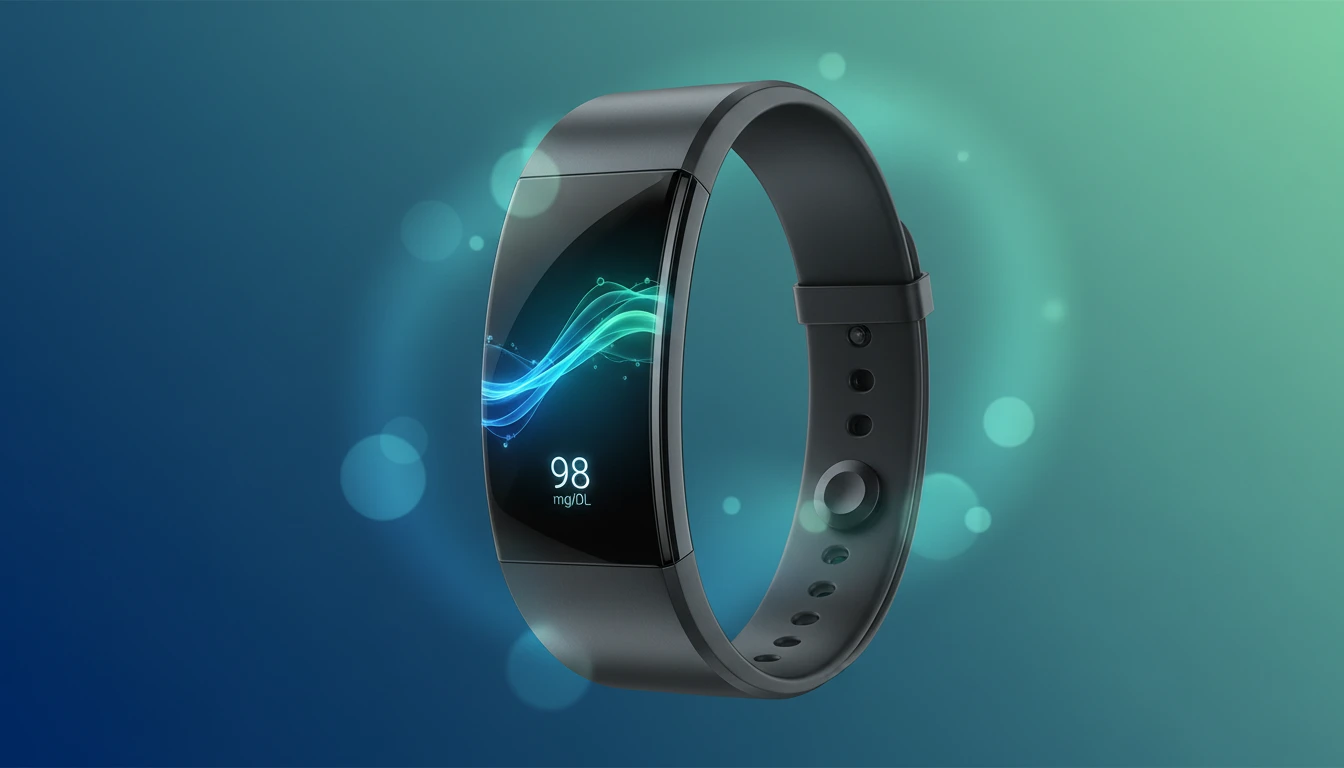
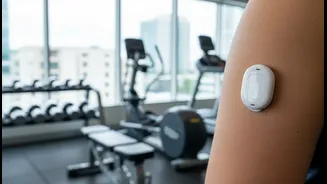
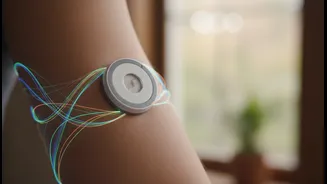
Originally developed for individuals with diabetes, a CGM is a wearable device that tracks your glucose (sugar) levels around the clock. A tiny sensor, typically inserted just under the skin of the upper arm, measures the glucose in the fluid between
your cells every few minutes. This data is then sent wirelessly to a smartphone app, providing a real-time graph of how your body's energy currency fluctuates in response to food, exercise, stress, and sleep. Unlike a traditional finger-prick test which gives a single snapshot, a CGM provides a continuous stream of information, revealing patterns that were previously invisible.
Beyond Diabetes: The Athlete's Angle
For a non-diabetic fitness enthusiast, the goal isn't managing a disease but optimizing performance. The core idea is that stable glucose levels lead to more consistent energy, preventing the dreaded 'bonk' during a workout and the energy crashes that can happen throughout the day. Athletes are using CGM data as a personal nutrition coach, allowing them to see precisely how their body responds to certain foods and training strategies. By minimizing large swings in blood sugar—known as glycemic variability—they aim to improve endurance, speed up recovery, and maintain focus. Studies on athletes show that those with more stable glucose levels during competition tend to perform better.
The Pre-Workout Fueling Strategy
One of the most powerful applications for athletes is dialing in pre-exercise nutrition. Eating the wrong thing—or at the wrong time—before a workout can lead to reactive hypoglycemia, a sharp drop in blood sugar shortly after starting exercise that causes weakness and dizziness. CGM data helps athletes experiment with different meals and timing to see what provides sustained energy without a subsequent crash. For some, this might mean a low-glycemic index carbohydrate meal three hours before a race; for others, it might be a small, simple carb snack just before they start. The CGM removes the guesswork, showing an individual's unique response.
Fine-Tuning Mid-Workout Energy
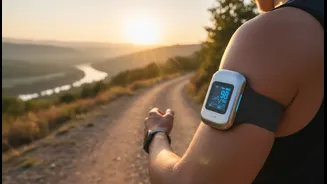
During long endurance events like a marathon or a cycling race, maintaining energy is critical. A CGM can provide real-time feedback, showing when glucose levels are starting to dip. This can act as an early warning system, prompting an athlete to take in carbohydrates before they feel the effects of low energy. This data-driven approach allows for a more precise fueling strategy, helping athletes avoid both under-fueling (leading to a bonk) and over-fueling (which can cause digestive distress). By correlating glucose data with perceived exertion and performance, users can create a personalized fueling plan that works for their unique physiology.
Accelerating Post-Workout Recovery
Recovery is just as important as the workout itself, and glucose plays a key role. After intense exercise, the body needs to replenish its glycogen (stored glucose) stores in the muscles. A CGM can help an athlete see how effectively their post-workout meal or snack is doing this job. The data can reveal which combinations of protein and carbohydrates lead to a steady, efficient rise in glucose, promoting muscle repair and energy restoration without a massive, inflammatory spike. Monitoring overnight glucose can also offer insights into recovery, as poor sleep and stress can elevate glucose levels, indicating the body is still under strain.
The Expert Verdict: Hype vs. Help
While the anecdotal evidence from athletes is compelling, experts advise caution. There is not yet a scientific consensus that using a CGM leads to measurable performance improvements in non-diabetics. Some research suggests that CGM devices can be less accurate during exercise and may even overestimate blood sugar levels in healthy individuals, potentially leading to unnecessary dietary restrictions. Furthermore, doctors warn that normal, healthy glucose fluctuations can be misinterpreted, causing anxiety. Most endocrinologists suggest that if non-diabetics use a CGM, it should be for a short, focused period, ideally with guidance from a professional who can help interpret the data in context.