



Why Protein is Your Post-Workout Priority
After intense exercise, your muscle fibres have undergone microscopic damage. This is a good thing—it’s the stimulus for growth. To repair this damage and build stronger muscle tissue, your body needs protein. This process is called muscle protein synthesis
(MPS). Consuming protein within a couple of hours after your workout provides the necessary building blocks, known as amino acids, to kickstart this repair process effectively. Without adequate protein, recovery can be delayed, and you won’t reap the full benefits of your hard work in the gym. The goal is to consume a sufficient amount of high-quality protein to maximise this response and get you ready for your next session.
Can Plants Really Compete with Meat?
A common concern is whether plant proteins are 'complete' and as effective as animal proteins like whey or chicken. Animal proteins naturally contain all nine essential amino acids (EAAs) our bodies can't produce. While many plant proteins are lower in one or more of these, this is easily overcome. Research shows that as long as total daily protein intake is sufficient, plant-based proteins are just as effective for building muscle strength and performance. The key is variety. By eating a range of plant protein sources throughout the day, you can easily get the full spectrum of amino acids. For post-workout recovery, the amino acid leucine is particularly important for kickstarting muscle repair. While some plant proteins have less leucine than animal sources, choosing high-quality options or slightly larger portions ensures you hit the necessary threshold for optimal recovery.
Swap 1: Lentils for Ground Meat
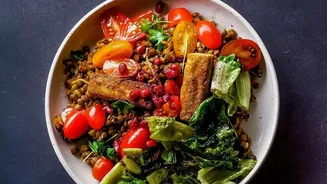
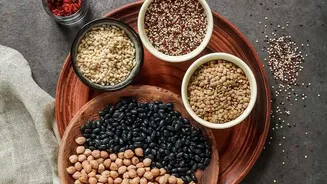
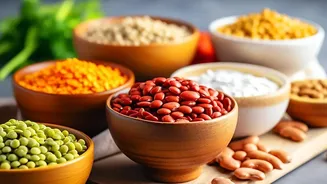
Lentils are an inexpensive and versatile powerhouse. A single cooked cup packs about 18 grams of protein and is loaded with fibre, iron, and folate. This makes them an excellent swap for ground beef or lamb in dishes like bolognese, shepherd's pie, or tacos. Their earthy flavour and texture blend well into savoury sauces. For a quick post-workout meal, a hearty lentil bolognese over whole-wheat pasta provides the ideal combination of protein for muscle repair and carbohydrates to replenish your energy stores. They are also easy to digest, delivering nutrients efficiently when your body needs them most.
Swap 2: Tofu and Tempeh for Chicken
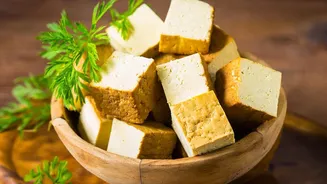
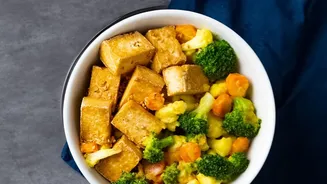
Made from soybeans, tofu and tempeh are complete proteins, making them fantastic alternatives to chicken or fish. Tempeh is a fermented soy product with a firm, nutty texture, offering around 21 grams of protein per 100-gram serving. Tofu is softer but still boasts about 20 grams of protein per cup. Both are brilliant at absorbing marinades and can be stir-fried, baked, or grilled. Try swapping chicken for tempeh in a stir-fry with plenty of vegetables or using firm, smoked tofu in place of chicken breast in salads and sandwiches. Their high protein content, especially rich in leucine, makes them a prime choice for post-workout meals.
Swap 3: Legumes and Beans for Steak
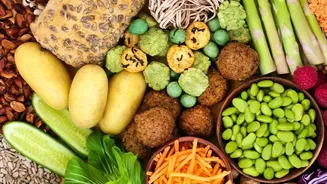
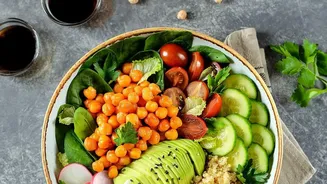
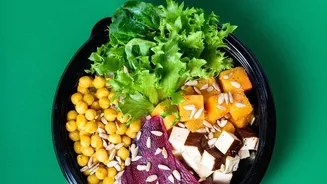
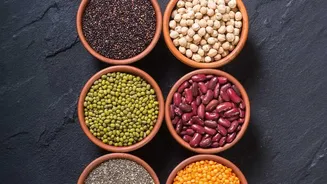
Beans and chickpeas are champions of the plant world. A cup of cooked chickpeas offers around 15 grams of protein, while black beans provide a similar amount. These are perfect for replacing meat in chilis, curries, and burgers. A black bean burger patty is a classic swap for a beef burger, providing satisfying texture and flavour. For a simple, high-yield recovery snack, roasted chickpeas seasoned with spices are a crunchy, protein-filled alternative to jerky. You can also make a quick and effective recovery meal by creating a 'Buddha bowl' with a base of quinoa, topped with mixed beans, leafy greens, and a drizzle of tahini.
Swap 4: Hemp Seeds and Quinoa for a Protein Boost
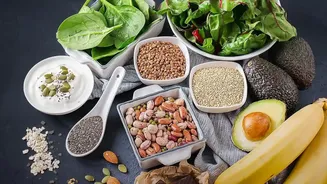
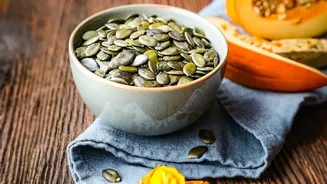
Sometimes you just need a quick, easy protein hit without preparing a full meal. This is where seeds and grains shine. Hemp seeds are a standout, offering nearly 10 grams of protein in just three tablespoons. Quinoa is another complete protein, providing all essential amino acids along with about 8 grams of protein per cooked cup. Instead of a scoop of whey protein in your smoothie, try blending in a few tablespoons of hemp seeds. Use a serving of quinoa as the base for your post-workout meal bowl, or add it to salads to ensure you’re getting a high-quality protein source to support your recovery.