


The Burnout of the Bucket List
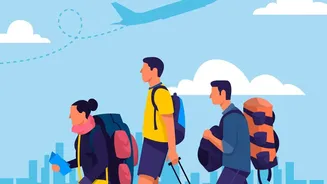
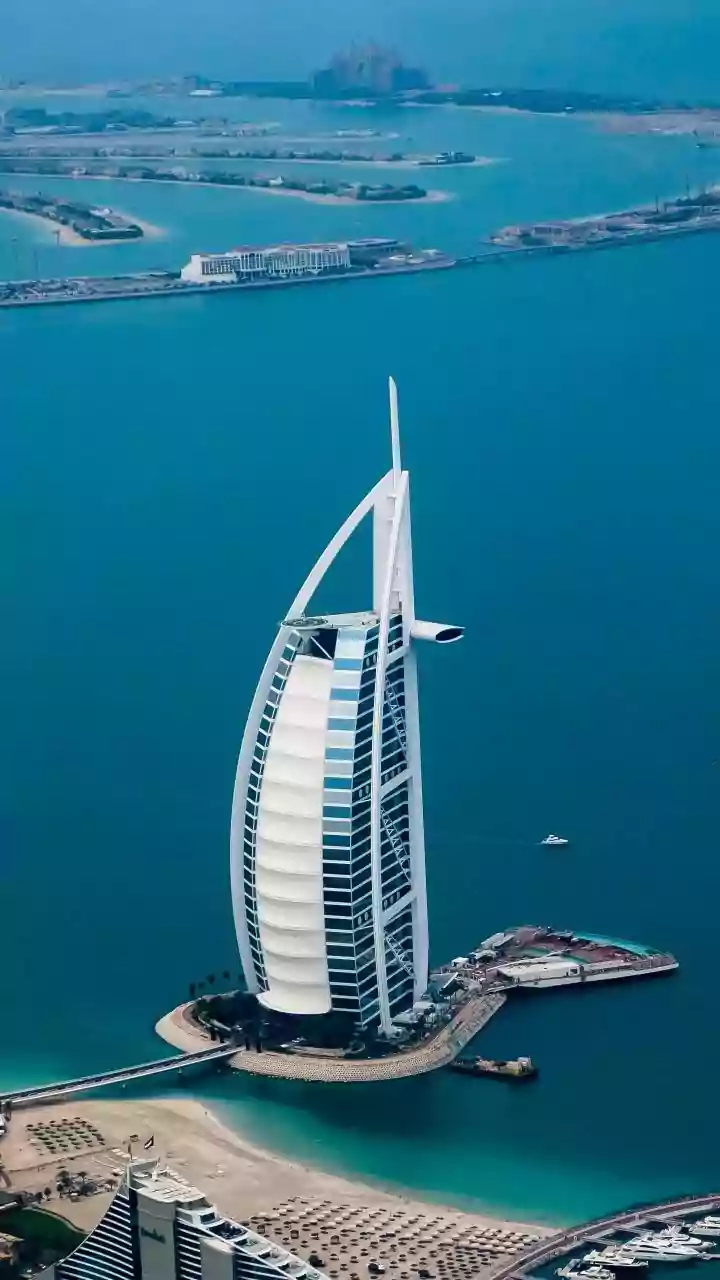
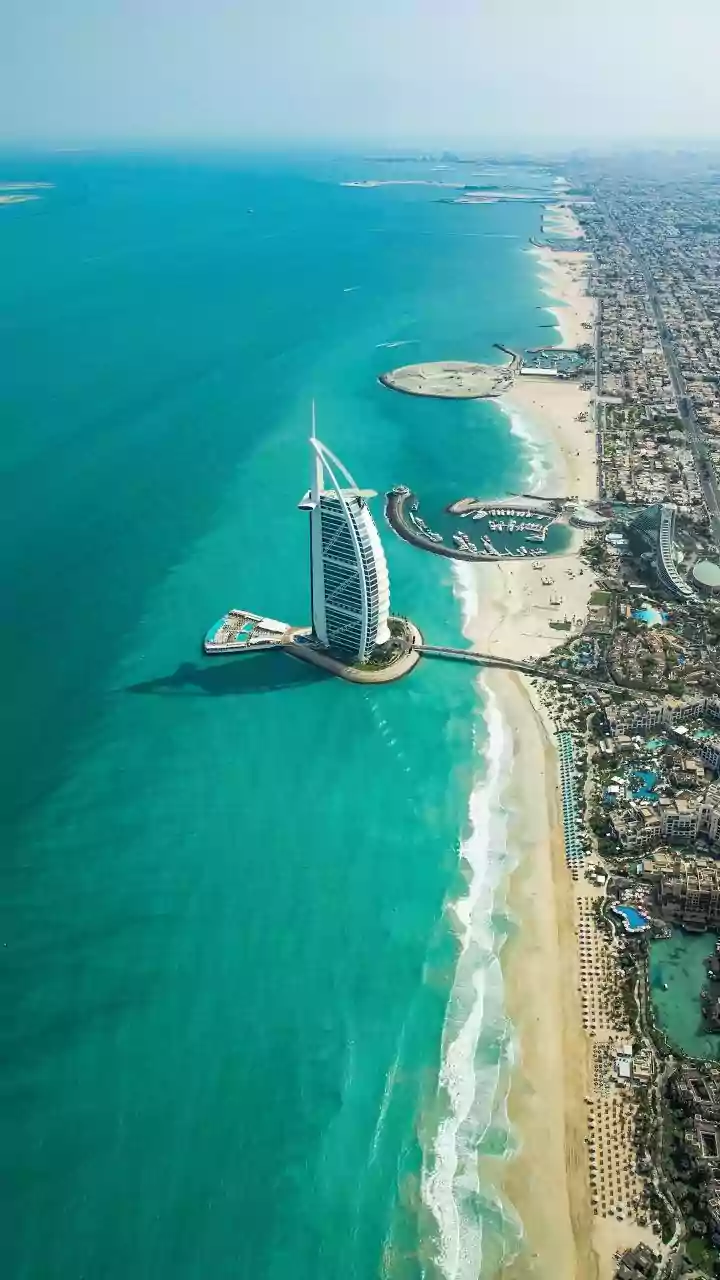
For decades, the goal of travel was often to see as much as possible in the shortest amount of time. This 'checklist tourism' involved rushing from one monument to the next, often leaving travellers feeling more exhausted than enriched. Many return home
with photos but few real stories, feeling like they've merely observed a place from behind a bus window. This model, focused on consumption rather than connection, is starting to feel outdated. In 2026, there is a clear backlash to this hyper-productive approach to leisure, with travellers actively seeking a mental reset from their fast-paced lives and rejecting the stress of overcrowded attractions and rigid itineraries.
A Growing Appetite for Authenticity
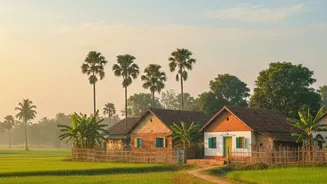
Today's traveller, particularly younger generations like Millennials and Gen Z, is searching for authenticity. They don't just want to see a place; they want to understand it. This shift is driving the move away from one-size-fits-all package tours, which are increasingly seen as impersonal and superficial. Instead, people are opting for experiences that allow them to engage with the daily rhythms of a community. This could mean staying in one neighbourhood for a week, shopping at local markets, or learning a few phrases in the local language. The goal is no longer just to visit, but to experience and participate in local life.
Food as the Ultimate Cultural Gateway
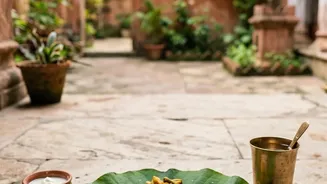
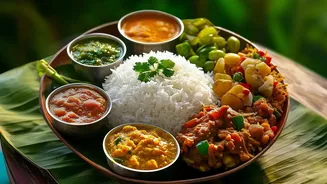
One of the most powerful forms of immersion is through food. Culinary tourism in India, for example, is a rapidly growing sector, expected to be worth over USD 15 billion in 2026. Travellers are venturing beyond well-known dishes to explore regional specialities, attend food festivals, and even take cooking classes in local homes. Food is a direct link to a region's history, agriculture, and social customs. Sharing a meal or learning a traditional recipe creates a bond that simply looking at a monument cannot replicate. This makes culinary exploration a key driver for travellers seeking genuine cultural connections.
From Landmarks to Lived Experiences
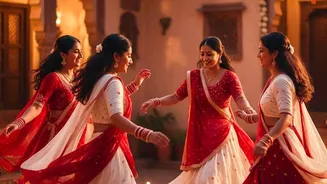
The focus is shifting from passive sightseeing to active participation. Immersive travel can involve learning a new skill, like pottery in Japan or a traditional dance in Bali. It prioritises human connection, creating memories based on interactions with local artisans, host families, or guides who share personal stories. This approach, often called 'slow travel', encourages flexible schedules and staying in one place longer to absorb the atmosphere without a sense of urgency. By doing so, travellers not only gain a deeper understanding of the culture but also contribute more directly to local economies, supporting small businesses rather than large international chains.