








The All-Important Onset
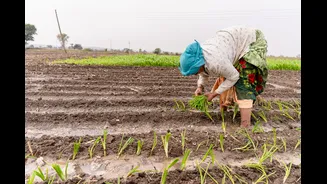
The timing of the monsoon's first showers is arguably the most critical factor. Kharif crops, also known as monsoon crops, are sown from June to July, and a timely onset is crucial for soil preparation and planting. A delay of even a few weeks can shrink
the sowing window, leading to a smaller cultivated area and forcing farmers to switch to less profitable, shorter-duration crops. The initial rains soften the soil, ensuring proper seed germination and healthy early plant growth. Without this timely start, the entire agricultural calendar is thrown off schedule, affecting everything from labour availability to eventual yield.
Distribution Trumps Volume
While a national forecast of 'normal' or 'above-normal' rainfall sounds reassuring, it tells only part of the story. For farmers, the geographical and temporal distribution of rain is far more important than the national average. A season's entire rainfall falling in a few intense bursts is more destructive than helpful, causing floods and soil erosion. Kharif crops need steady, well-distributed showers throughout their growth cycle. Uneven distribution, where one region gets flooded while another remains parched, can lead to widespread crop distress despite a healthy nationwide total. This spatial spread ensures that major agricultural belts across the country receive the moisture they need when they need it most.
The Peril of Monsoon 'Breaks'
The rhythm of the monsoon is as important as its presence. After the initial sowing, crops enter critical growth phases that require consistent moisture. A 'break' in the monsoon—a prolonged dry spell lasting a week or more in the middle of the season—can be devastating. These breaks cause intense moisture stress on standing crops, particularly in the 60% of Indian farmland that is rain-fed and lacks irrigation. For crops like rice, maize, and soybeans, a dry spell during the vegetative or flowering stage can severely stunt growth and reduce the final yield, even if the season's total rainfall is normal. These periods of inactivity in the monsoon are a major source of risk for farmers.
The Right Rain for the Right Crop
Different Kharif crops have different water needs. Rice, for instance, is a water-intensive crop that thrives in flooded paddies, making consistent, heavy rainfall essential. Cotton and soybean, on the other hand, require moderate and well-timed rain; excessive rainfall during their flowering or boll-formation stages can be damaging. Excess rain near harvest time can also be a problem, impacting the quality of the produce and making harvesting difficult. Therefore, the rainfall pattern must align with the specific needs of the dominant crops in a region. A monsoon that is perfect for rice in eastern India might be problematic for cotton in the west, highlighting the nuanced relationship between the rains and agriculture.