

1. Plan Ahead with Real-Time Information
Stepping out blindly during the monsoon is a recipe for frustration. Before you leave, develop the habit of checking more than just the weather forecast. Use live traffic apps and public transport trackers to get a real-time picture of your route. Many
municipal corporations and transport authorities now provide updates on waterlogged areas and diversions. Knowing that your usual route is flooded or your train is delayed gives you the power to make smarter choices, whether that means leaving earlier, taking an alternative route, or waiting for the downpour to subside. This simple, two-minute check can save you hours of being stuck in traffic or stranded at a station.
2. Master the Art of Navigating Wet Roads
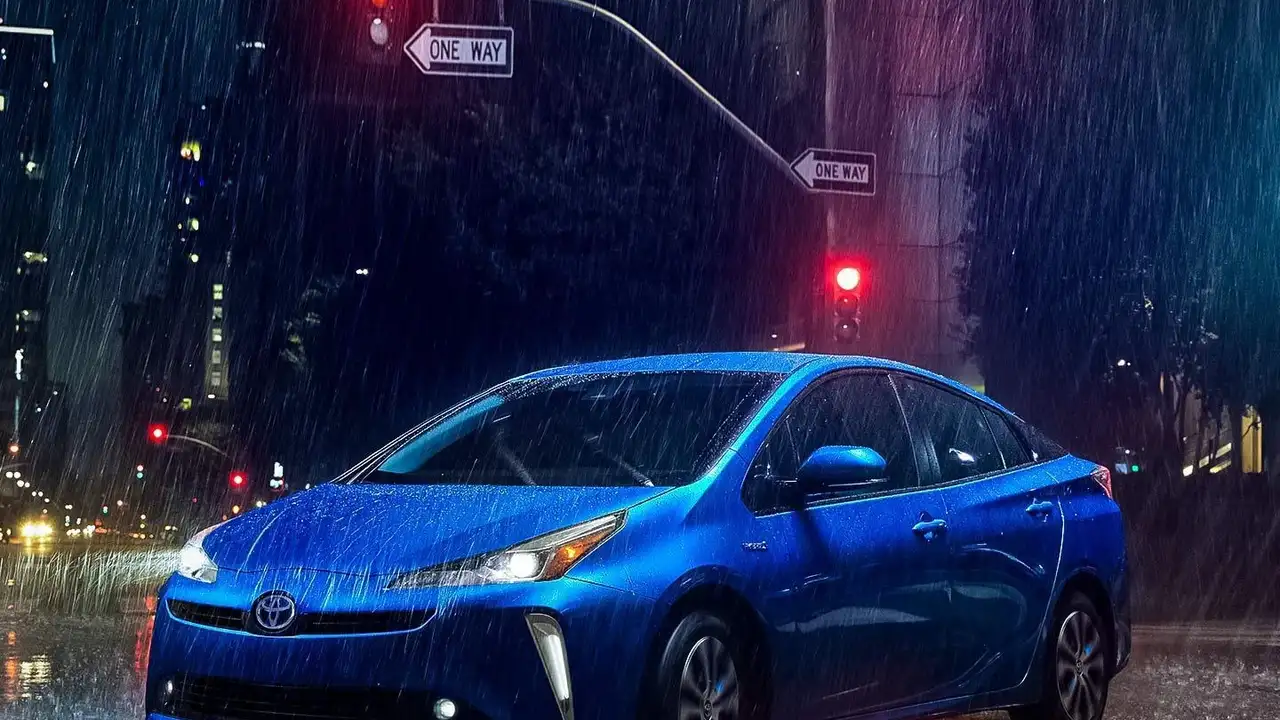
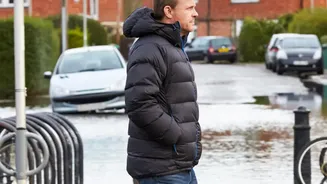
Once you are on the move, a different set of skills is required. For pedestrians, the biggest danger is what you cannot see. Floodwater can hide open manholes, potholes, and even damaged electrical wires. A shortcut through ankle-deep water is never worth the risk. Choose footwear with a good grip to avoid slipping on slick platforms and pavements. For those driving, the rules are similar: slow down and increase the distance between you and the vehicle ahead. Roads are most slippery in the first 30 minutes of rainfall when oil and debris mix with water. If you encounter a waterlogged street, avoid it if possible. If you must proceed, stay in a low gear, keep your engine revs high, and move slowly and steadily to create a bow wave that pushes water away from your engine's air intake. Never enter water that is deeper than the bottom of your car's bumper.
3. Keep Your Vehicle in Monsoon-Ready Condition
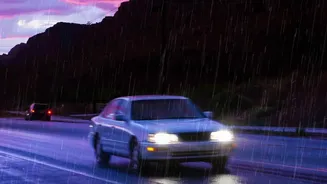
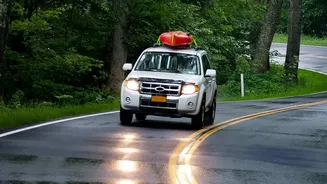
Your vehicle is your first line of defence in a downpour, so ensuring it's up to the task is a critical habit. Before the monsoon sets in, and regularly throughout the season, check your essentials. Your tyres should have adequate tread to grip wet roads and prevent aquaplaning. Worn-out tyres are a major cause of accidents in the rain. Similarly, ensure your brakes are in perfect working order, as stopping distances increase on wet surfaces. Check that your windscreen wipers can clear water effectively without leaving streaks. Finally, always keep your headlights on a low beam during heavy rain, even in the daytime. This isn't just about helping you see; it's about making sure other drivers can see you.
4. Create a Commuter's Monsoon Kit
Hope for the best but prepare for the worst. Delays are inevitable, and having a small kit with essentials can make a huge difference. The foundation of this kit is waterproofing. Use a waterproof backpack or a rain cover, and keep your electronics like your phone and documents in separate zip-lock pouches for extra safety. A fully charged power bank is a lifeline when your journey takes hours longer than expected. Beyond gadgets, pack a small microfibre towel, a spare pair of socks, and any personal medications. It is also wise to carry a bottle of clean drinking water and a small snack, as you never know when you might be stuck for an extended period.
5. Prioritise Post-Commute Hygiene
The dangers of the monsoon commute don't end when you reach your destination. Exposure to dirty rainwater and humid conditions creates a breeding ground for germs, increasing the risk of fungal infections and water-borne diseases like leptospirosis, typhoid, and cholera. Make it a habit to wash your hands and feet with soap and water as soon as you get indoors. If you got drenched, taking a shower helps stabilise your body temperature and wash away contaminants. Change out of wet clothes and shoes immediately to prevent skin infections. This simple clean-up routine is crucial for staying healthy throughout the season, ensuring that your commute doesn't leave you feeling unwell a few days later.