



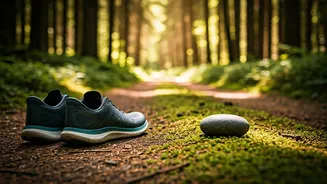




The Stillness in the Stride
At its heart, this practice is a form of walking meditation. It’s not about reaching a destination or burning a specific number of calories, though those can be happy side effects. Instead, it’s about bringing your full attention to the experience of walking.
The ‘brisk walking’ provides the rhythm and physical engagement, keeping the body active and blood flowing. The ‘silent yogic reflection’ isn’t about contorting into complex poses but embracing the yogic principle of 'Dharana'—concentration. You focus your mind on the sensations of your body and your surroundings. It’s the marriage of a simple, accessible exercise with an equally simple, accessible mindfulness technique. You are moving, yet you are also aiming for a state of inner stillness and complete presence.
More Than Just a Walk
The benefits of this dual-focus activity are both mental and physical. From a physical standpoint, brisk walking is celebrated for its cardiovascular advantages, helping to improve heart health, manage weight, and strengthen bones. It’s a low-impact exercise that’s kind to the joints and accessible to people of all fitness levels. Mentally, the advantages are profound. By focusing on the present moment—the feeling of your feet on the ground, the rhythm of your breath, the sounds and sights around you—you give your mind a break from the endless loop of worries, anxieties, and to-do lists. Studies on mindfulness have repeatedly shown its effectiveness in reducing stress, improving emotional regulation, and enhancing focus. Combining this with the gentle, repetitive motion of walking can create a powerful meditative state that calms the nervous system and fosters a sense of well-being. It’s an active antidote to a racing mind.
Why It's Catching On Now
In an age of digital saturation and complex, expensive wellness solutions, the appeal of mindful walking lies in its radical simplicity. It requires no special equipment, no gym membership, and no complicated instructions. It’s free and can be done anywhere—a local park, a quiet neighbourhood street, or even a hallway. This accessibility makes it a democratic form of self-care. After years of being told to hustle harder and optimise every second, there is a growing counter-movement towards slowing down and reconnecting with ourselves and our environment. Mindful walking fits perfectly into this ethos. It’s a practical way to carve out a moment of sanity in a hectic day, transforming a mundane activity into a restorative practice.
Your First Mindful Walk: A Simple Guide
Ready to try it? The barrier to entry is wonderfully low. Here’s how to begin: 1. **Set an Intention:** Before you start, decide that this walk is for mindfulness. Let go of the need to rush or check your phone. A 10- to 15-minute walk is a perfect start. 2. **Find Your Pace:** Begin walking at a brisk, natural pace. This isn’t a race, but a steady rhythm helps focus the mind. Keep your posture upright but relaxed. 3. **Tune Into Your Body:** Bring your awareness to the physical sensations. Feel your feet making contact with the ground—heel, ball, toes. Notice the swing of your arms and the rhythm of your breathing. Don't try to change your breath; just observe it. 4. **Engage Your Senses:** What do you see? Notice colours and shapes without labelling them. What do you hear? The sound of your footsteps, birds, distant traffic. What do you feel? The breeze on your skin, the warmth of the sun. 5. **Gently Redirect Your Mind:** Your mind will wander. That’s normal. When you notice your thoughts drifting to your worries or plans, gently and without judgment, guide your attention back to the physical sensation of walking. This act of redirection is the core of the practice.