

The Building Blocks of Your Body
Before we dive into dal and rice, let's talk about protein. Think of proteins as long chains made of individual links called amino acids. These are the fundamental building blocks your body uses for almost everything—from repairing tissues and building muscle
to creating hormones and supporting your immune system. There are 20 different amino acids, but nine of them are called 'essential' amino acids. The term 'essential' means our bodies cannot produce them, so we absolutely must get them from the food we eat. Without all nine, your body’s ability to build and repair itself is compromised, much like trying to build a structure with missing parts.
The 'Complete' Protein Puzzle
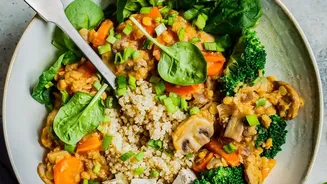
You may have heard the term 'complete protein'. This simply refers to a food source that contains all nine essential amino acids in sufficient amounts. Animal products like meat, eggs, and dairy are naturally complete proteins. On the other hand, most individual plant-based foods are considered 'incomplete' because they are low in one or more of these essential amino acids. For example, many legumes are low in the amino acid methionine, while many grains are low in lysine. This has unfortunately led to the myth that it's difficult to get adequate protein on a vegetarian diet, but that couldn't be further from the truth. The secret lies not in a single food, but in smart combinations that have been part of traditional diets for centuries.
Dal and Rice: A Perfect Partnership
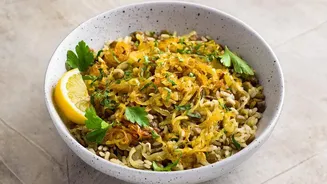
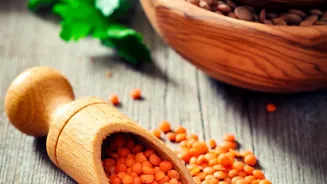
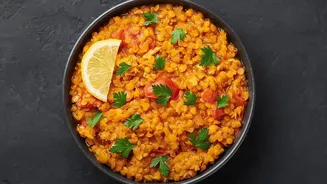
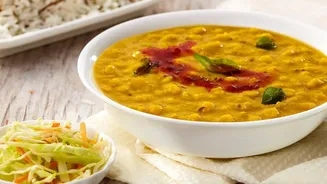
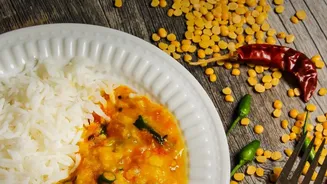
This is where the magic of dal-chawal comes in. Lentils (dal) and rice are a perfect example of what nutritionists call 'complementary proteins'. Lentils are packed with the essential amino acid lysine but are low in methionine. Rice, on the other hand, is low in lysine but has the methionine that lentils are missing. When you eat them together, their amino acid profiles complement each other perfectly. The combination provides your body with all nine essential amino acids, making the meal a complete protein source, just as nutritionally effective as an animal-based protein. This isn't a new discovery; it's ancient wisdom backed by modern science. Our ancestors figured out this powerful synergy long before we could analyze it in a lab.
Why This Matters for Muscle and Health
For anyone looking to build or maintain muscle, getting enough complete protein is non-negotiable. When you exercise, you create tiny micro-tears in your muscle fibers. Amino acids are what your body uses to repair this damage, making the muscles stronger. Leucine, an amino acid abundant in lentils, is particularly important as it acts as a signal to kickstart this muscle protein synthesis process. But the benefits don't stop at the gym. A diet rich in complete proteins also helps with satiety, keeping you fuller for longer, and provides sustained energy. It supports immune function, as your body needs protein to fight off illnesses, and is crucial for the constant process of cell repair and regeneration that keeps you healthy.
Beyond Dal and Rice
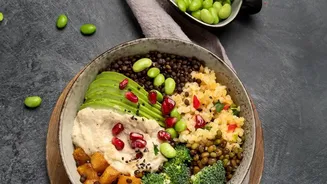
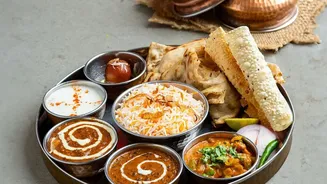
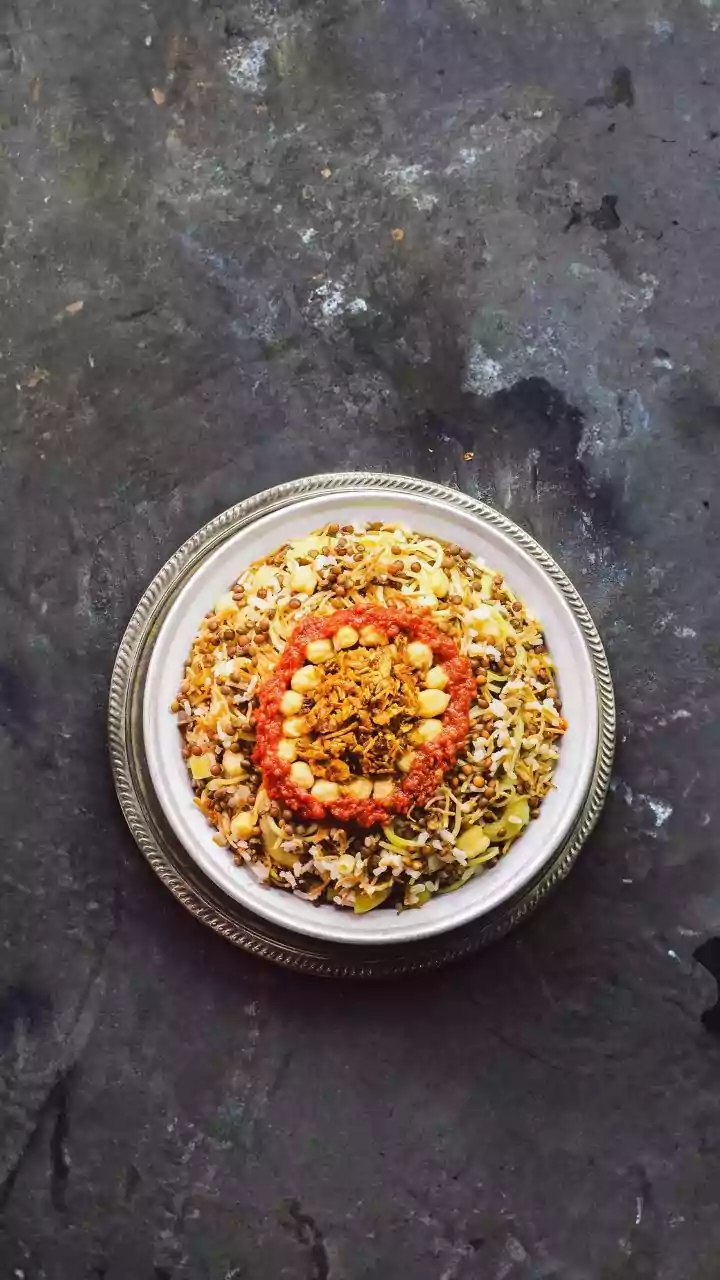
The principle of combining a legume with a grain extends far beyond just one meal, and it’s a cornerstone of Indian vegetarian cuisine. Think about other beloved dishes: rajma with roti, chana served with rice, or even a dosa or idli, which are made from a fermented batter of rice and lentils. Even a simple snack like hummus (made from chickpeas, a legume) with pita bread (a grain) follows the same nutritional logic. By incorporating these traditional pairings into your diet, you are effortlessly ensuring you receive a high-quality, complete protein. It’s a simple, affordable, and delicious way to fuel your body effectively, proving that sometimes the most powerful health solutions are the ones that have been on our plates all along.