




Beyond the Tea Plantation
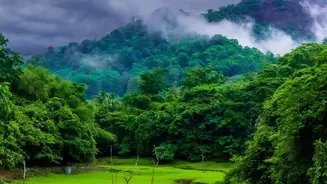
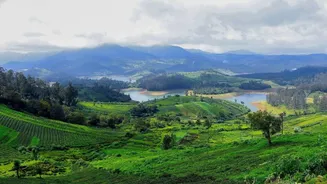
When you think of the Nilgiris, you almost certainly think of tea. For over a century, these mountains in Southern India have been synonymous with brisk, fragrant black teas that are cherished worldwide. But the rich, fertile slopes of this unique ecosystem,
part of the Western Ghats, are home to far more than just the Camellia sinensis plant. It's a treasure trove of biodiversity, boasting a variety of native flowers, fruits, herbs, and leaves that have been part of local life for generations but are now finding their way into the mainstream thanks to a new wave of creative food entrepreneurs.
The New Artisanal Wave
Across the region, a small but growing community of artisanal makers is redefining what a 'Nilgiri drink' can be. These are not large corporations, but often small-batch producers, local homestays, and boutique cafes driven by a philosophy of sustainability and authenticity. They are tapping into a major shift in consumer preferences across India, where people are increasingly seeking out healthier, locally-sourced products with a story. This movement is about capturing the specific terroir of the Nilgiris—its unique climate and soil—in a bottle, offering a taste that is both innovative and deeply rooted in place.
From Forest and Garden to Bottle
The ingredient list for these new beverages reads like a botanist's notebook. Instead of just tea leaves, makers are using everything the Nilgiri landscape offers. Fragrant rhododendron flowers, which bloom spectacularly across the hills, are being turned into floral squashes and cordials. Wild berries, tangy kokum, and even the leaves of the eucalyptus (Nilgiri) tree, long used for its essential oils, are being creatively infused. These ingredients bring complex flavour profiles that are floral, fruity, tart, and herbaceous, offering a completely different sensory experience from traditional sweetened soft drinks. Artisans are also incorporating herbs like lavender and mint, creating sophisticated blends that appeal to a modern palate.
The Art of Low-Sugar Flavour
A key part of this new trend is the conscious move away from sugar. With a rising awareness of health and wellness, Indian consumers are actively seeking out low-sugar and zero-sugar options. The challenge for these artisans is to create delicious, flavourful drinks without relying on high levels of sweetness. They achieve this through several clever techniques. Cold brewing, for example, is a popular method that extracts flavour from leaves and flowers slowly over many hours, resulting in a smoother, less bitter taste that requires little to no sugar. Others are using natural, unrefined sweeteners sparingly or relying on the inherent sweetness of fruits. The focus is on letting the complex, natural flavours of the botanicals shine through, rather than masking them with sugar.
A Taste of the Hills
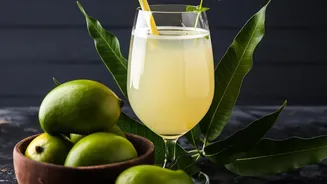
So, what do these drinks taste like? Imagine a sparkling, pale pink beverage with the delicate floral notes of rose and hibiscus, or a deep red cooler with the tart, slightly sour punch of kokum. Picture an iced tea that isn't just a basic black tea but is infused with the crisp, zesty notes of lemongrass and the calming aroma of lavender. These drinks are vibrant and refreshing, designed to be enjoyed cold. While Nilgiri tea has long been prized for making excellent, clear iced tea that doesn't go cloudy, these new concoctions take that principle a step further, blending tradition with contemporary tastes. They represent a new chapter in the region’s culinary story, one that is fresh, healthy, and exciting.