

The Foundation: Classic Tree Pose
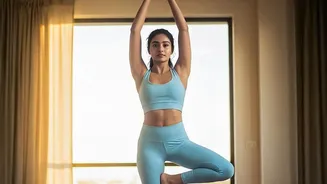
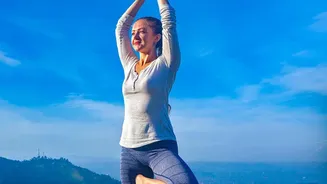
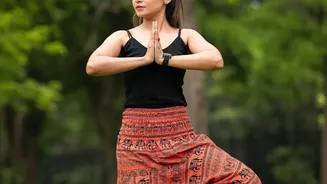
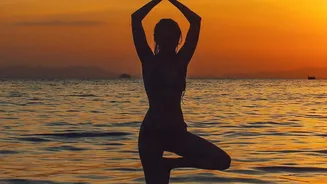
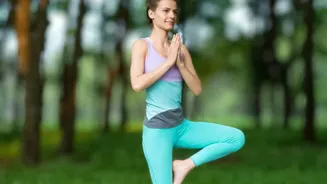
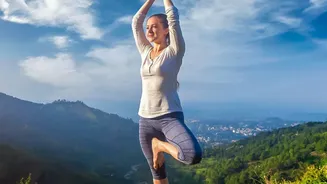
Before exploring variations, it's helpful to understand the full pose. In Vrikshasana, you balance on one leg, replicating the steady stance of a tree. Start in Mountain Pose (Tadasana), standing tall with your weight evenly distributed. Shift your weight onto
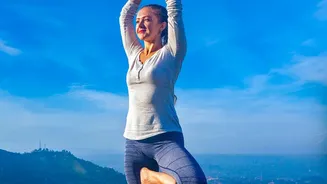
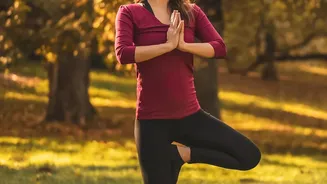
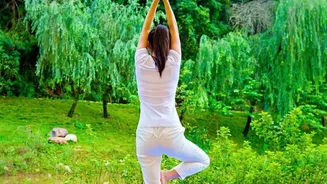
your left foot. Bend your right knee and place the sole of your right foot high on your inner left thigh, avoiding the knee joint. Press the foot and thigh into each other for stability. Bring your hands to your heart in a prayer position (Anjali Mudra) or extend them overhead like branches. Find a fixed point to gaze at (your drishti) to help maintain balance. The goal is to keep the spine long and hips level. This pose strengthens the legs, ankles, and core while improving posture and concentration.
Why Modify? Honour Your Body
Modifications aren't a sign of weakness; they're a sign of intelligence and self-respect. Yoga is about adapting poses to fit your body, not forcing your body into a shape. Using variations allows you to build strength and stability safely. They help you experience the core benefits of the pose—like improved balance, focus, and hip-opening—without the risk of strain or frustration. Whether you have tight hips, an injury, or are simply new to balancing, these modifications create a path to progress at your own pace.
Variation 1: The 'Kickstand' Tree
This is the most accessible starting point for Tree Pose. From Mountain Pose, shift your weight onto your standing leg. Bend your other knee and turn it out to the side. Instead of lifting your foot completely, place the ball of your foot on the floor and rest your heel against the inner ankle of your standing leg. This 'kickstand' provides significant support while still allowing you to practice alignment and engage your core. It introduces the external hip rotation and the sensation of balancing without demanding full single-leg stability. You can keep your hands on your hips or bring them to your heart.
Variation 2: Foot to Calf
Once you feel steady with the kickstand, the next step is to lift the foot higher. Place the sole of your bent-leg foot against the inner calf of your standing leg. The most important rule here is to avoid placing your foot directly on your knee. The knee joint isn't designed to handle sideways pressure, and doing so can cause injury. Always place the foot either above or below the knee. This variation increases the balance challenge and further strengthens the ankle and stabilizing muscles of your standing leg.
Variation 3: Use a Wall or Chair
Props are a beginner's best friend in balancing poses. Stand with your side about an arm's length from a wall or place a sturdy chair next to you. As you move into your chosen Tree variation (kickstand, calf, or even thigh), lightly rest a hand on the wall or chair for support. This removes the fear of falling and allows you to focus on proper alignment, like keeping your hips level and spine long. Over time, you can reduce your reliance on the support, perhaps just touching it with a fingertip until you can balance on your own.
Variation 4: Change Your Branches
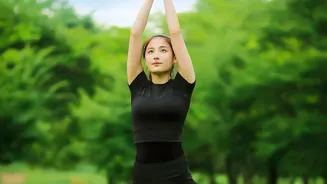
The position of your arms dramatically changes the pose. While hands at the heart is the most common and stable position, exploring other 'branches' can alter the challenge. Bringing hands to your hips can sometimes feel more grounding for beginners. Extending your arms out to the sides like a 'T' can help with balance, while reaching them overhead in a 'V' shape makes the pose more dynamic and challenges your stability further. For those with high blood pressure, it's often recommended to keep the hands at the heart rather than overhead.
Variation 5: Reclined and Seated Tree
You don't even need to be standing to practice Tree Pose. A seated version, either in a chair or on the floor, lets you work on the hip-opening aspect without any balance required. Simply sit tall and place the sole of one foot against your inner thigh. You can also practice lying on your back (Supta Vrikshasana). This completely supported variation allows you to focus on the external rotation of the hip and feel the proper leg alignment without any strain, making it a wonderful restorative option.